
Last updated November 17, 2026
 Home additions & ADU
 Kitchen remodeling
 Bathroom remodeling
 Roofing
 Windows & doors
 Driveway & pavers
 Fence
Free written scope consultation - allowances, timeline, and change-order rules on paper before a single trade is scheduled
Construction Warning Signs: A Fairfield Homeowner’s Reference Guide
Most construction warning sign guides tell you to look for crooked contractors and unpaid permits. That’s useful, but it misses the bigger threat to a Fairfield home: movement and moisture that start small, look like normal settling, and quietly become structural repairs. A hairline crack in a door frame corner can be cosmetic. It can also be the first visible sign that clay soil under your slab is swelling in winter and shrinking in summer. Knowing which one you’re looking at is the difference between a tube of caulk and a foundation assessment. This guide walks through the specific signals Fairfield homes show, how to read them, and when to call someone.
Quick Answer
Construction warning signs in a Fairfield home are the structural and systemic signals – diagonal wall cracks, sticking doors, roof flashing gaps, poor drainage against the slab – that point to movement or water intrusion rather than normal settling. The key is pattern and progression: cracks that reappear after repair, door gaps that widen over a season, or water pooling against the foundation usually need a licensed contractor or structural engineer. Cracks that stay the same size for a year or more are typically cosmetic and worth monitoring only.
Styles & brands we work with
- Kitchen remodeling
- Bathroom remodeling
- Home additions & ADU
- Roofing
- Windows & doors
- Driveway & pavers
- Fence
Table of Contents
- Foundation Warning Signs in Fairfield’s Expansive Clay Soil
- How to Read Wall and Drywall Cracks in 1970s-1990s Fairfield Tract Homes
- Roof and Attic Warning Signs After Fairfield’s Summer UV Cycle
- Drainage and Grading Signals That Predict Slab Trouble
- Doors, Windows, and Floors as Diagnostic Tools
- Exterior Envelope, Siding, and Fence Warning Signs
- Contractor, Structural Engineer, or Monitor-and-Wait?
- How to Monitor a Warning Sign Without Making It Worse
Foundation Warning Signs in Fairfield’s Expansive Clay Soil
A foundation warning sign in Fairfield is any pattern of movement that repeats or worsens across seasons rather than holding steady. The soil here does a lot of the work that makes this tricky. Much of Fairfield sits on expansive clay that swells when it takes on winter rain and shrinks through the long dry summer. That cycle puts stress on slabs and stem walls, and it produces seasonal cracks that open and close on a predictable rhythm instead of progressing steadily.
What separates a seasonal pattern from a structural problem is direction and repetition. Seasonal clay movement tends to produce:
- Cracks that widen in late summer and appear to close in winter
- Small diagonal cracks at door and window corners that stay under roughly the width of a credit card
- Sticking doors or windows that free up after the first rains, then stick again the next dry season
- Minor slab-edge separation that looks the same year after year
Progressive structural movement looks different. You’re watching for cracks that keep getting longer or wider no matter the season, doors that stop latching entirely and stay that way, or a floor that develops a noticeable slope toward one corner. Neighbourhoods with heavier clay profiles, including parts of Cordelia and Green Valley, are where we see homeowners dismiss these signals most often as “just the ground moving.”
One point worth getting straight early: not all foundation movement needs foundation repair. Some homes need better drainage and soil moisture management, not piers. But you can’t tell which is which from a single crack. That’s why we tell Fairfield homeowners to photograph and date every crack, then compare across six to twelve months rather than reacting to what they see today. The pattern tells the story.
How to Read Wall and Drywall Cracks in 1970s-1990s Fairfield Tract Homes
Most wall cracks in Fairfield’s 1970s to 1990s tract construction are cosmetic plaster or drywall movement, but a specific few signal a load-path problem. The distinction comes down to crack shape, location, and whether the crack follows a structural line or just the drywall seam.
Read a crack by asking three questions: Where is it? Which way does it run? Is it widening?
- Vertical cracks near the center of a wall. Usually drywall shrinkage or a seam. Low concern on their own.
- Diagonal cracks running from a door or window corner toward the ceiling. These follow stress concentration points. Small ones are common. Ones that reach a full foot or more and keep growing deserve a professional look.
- Horizontal cracks in a foundation stem wall or along a wall-to-ceiling joint. Horizontal cracking in a stem wall can indicate lateral soil pressure. This is the category that warrants a structural engineer rather than a contractor.
- Stair-step cracks in brick or block veneer. These follow mortar joints and often trace foundation movement underneath. Get them assessed.
- Cracks that reappear in the same place after patching. Repetition is the signal. Cosmetic cracks patched once usually stay patched.
In older Fairfield tract homes, drywall was often hung in large sheets with minimal control joints. That means temperature and humidity swings can open seams that look alarming but are cosmetic. The cracks that actually track a load path are the ones running diagonally from a corner of an opening, or following the outline of a header or beam above. If you can see the crack align with a structural element, treat it as a structural sign and not a paint-and-patch job.
Age of the home matters less than what the crack is doing. A 1975 home with a stable vertical seam is fine. A 1995 home with a diagonal crack that’s grown noticeably in a year is not. Date your photos. You’ll thank yourself later.
Roof and Attic Warning Signs After Fairfield’s Summer UV Cycle
A roof warning sign in Fairfield usually shows up first in the attic, not on the shingles. Summer sun exposure here is intense and long, and it degrades sealants, flashing, and any rubber or plastic boots faster than the shingle surface. By the time a ceiling stain appears inside the house, the leak has usually been active through at least one wet season.
What to look for on the roof and in the attic:
- Curling, cracking, or granule loss concentrated on south- and west-facing slopes
- Flashing around chimneys, skylights, and vent pipes that has pulled away or rusted through
- Dried, cracked rubber boots on plumbing vents (they bake out under summer UV)
- Daylight visible through the roof deck from inside the attic
- Water staining on rafters or sheathing that appears after a rain and dries out
- Sagging or soft spots on the roof deck underfoot
Attic ventilation is part of this picture. A poorly vented attic holds heat and moisture, and over years that ages the roof deck from the underside. If your attic feels noticeably hotter than the outdoor air or you see condensation on the sheathing, the roof is working harder than it should. That’s an efficiency and durability issue before it’s ever a leak.
When a roof reaches the point of needing replacement, the system matters more than the shingle color. We install and source systems from GAF, CertainTeed, and Owens Corning, and the underlayment, flashing, and ventilation are part of the conversation, not an afterthought. A roof is a system, and the parts that fail first are usually the ones you can’t see from the driveway.
Don’t get on the roof to inspect it yourself. Height and pitch make this the highest-risk diagnostic work a homeowner can attempt. Use binoculars from the ground and a flashlight in the attic. If something looks off, that’s the point to call.
Drainage and Grading Signals That Predict Slab Trouble
Water pooling against a foundation in Fairfield is a leading predictor of slab and stem-wall problems, and it’s also the most fixable warning sign on this list. Local grading varies a lot – some lots drain naturally, others were graded to shed water toward a low side that now sits directly against the house. Expansive clay makes this worse: soil that stays wet near the foundation swells, and soil that dries on the opposite side shrinks, and the house feels both.
Check these signs after a heavy rain or during the wet season:
- Standing water within three feet of the foundation that’s still there 24 hours after rain
- Soil that slopes toward the house instead of away from it
- Downspouts that discharge straight down at the foundation instead of away from it
- Efflorescence (white chalky staining) on a stem wall or crawlspace wall, a sign of moisture migration
- Gutters that overflow at one end or back up during storms
- Mulch or soil piled above the siding or stucco line, holding moisture against the wall
Correcting drainage is one of the highest-return items on any home. Extending downspouts, regrading to shed water away from the foundation, and keeping gutters clear are things a homeowner can usually handle. What you shouldn’t do is dig against a foundation wall without knowing what’s behind it or whether the footing drains are working. That’s where a contractor’s assessment pays for itself. We handle grading and hardscape work as part of broader exterior projects, and paver and hardscape work sourced from Belgard, Unilock, and Techo-Bloc is often how a Fairfield homeowner solves a persistent drainage problem while upgrading the exterior at the same time.
Doors, Windows, and Floors as Diagnostic Tools
A door that sticks is one of the most reliable early indicators of movement in a house, and it’s the one most Fairfield homeowners dismiss first. Doors and windows sit in openings framed by headers and jack studs, so when a wall moves, the opening changes shape. A door that catches at the top corner, drags on the floor, or needs a shoulder to close is telling you something about the wall around it.
Not every sticky door means foundation trouble. Humidity alone can swell a wood door enough to bind. The signal to distinguish is whether the problem is:
- Seasonal and reversible: sticks in wet weather, frees up in dry weather. Usually humidity and wood movement.
- Progressive and permanent: sticks worse every month, and stays stuck. That’s a structural read.
- Localized to one opening: often a hinge, strike plate, or frame issue rather than the whole wall.
- Paired with visible cracks above the opening: this combination points to wall movement, not a door problem.
Floors are the other underrated diagnostic. A floor that feels slightly out of level is common in older construction. A floor that has developed a noticeable slope, or where a marble rolls steadily toward one wall, is worth checking. Same for a gap that opens along the baseboard on one side of a room while the other side stays tight.
Windows carry the same information. Windows that crank harder, doors that no longer fit their frames, and trim separation along one wall are all worth noting and dating. When you eventually bring in a contractor, this record is more valuable than anything a home inspector will generate in a one-hour walkthrough. If the plan is to replace windows or doors anyway, we work with multiple lines, and pairing a structural assessment with window or door replacement is common in Fairfield homes ready for a full exterior refresh.
Exterior Envelope, Siding, and Fence Warning Signs
The exterior of a house absorbs more wear than any other surface, and Fairfield’s dry summers and wet winters put siding, trim, and fencing through a wide range. The warning signs here are mostly water-related, and they escalate quietly if left alone.
On the house itself, watch for:
- Siding that’s soft, swollen, or bubbling, a sign moisture is trapped behind it
- Caulk lines around windows and doors that have pulled away, cracked, or turned chalky
- Paint peeling on one side of the house and not the other, which often tracks moisture from inside
- Fascia and trim that’s soft when probed or showing rot at the corners
- Stucco or siding cracks that let water in at the top and hold it at the bottom
James Hardie siding is what we typically recommend for Fairfield exteriors because fiber cement handles the sun and rain swings here without the swelling and rot that wood shows. Proper installation behind it – house wrap, flashing, and caulk at transitions – matters more than the siding itself, and a failed flashing detail will ruin good siding in a few seasons.
Fencing has its own set of warning signs. Wood fences that lean, posts that have rotted at the ground line, and gates that no longer latch are all moisture and settlement indicators, and they’re also a security issue when they fail. When a fence reaches the end of its life, we install systems from Barrette, Master Halco, Ameristar, Jerith, Bufftech, and ActiveYards, covering aluminum, steel, vinyl, and composite, so a Fairfield homeowner can replace a failing wood fence with something that won’t rot. If you’re planning exterior work alongside fencing, fence installation is a good place to start, since the fence line often reveals drainage and grading issues worth solving in the same project.
Contractor, Structural Engineer, or Monitor-and-Wait?
Most warning signs need one of three responses, and picking the wrong one is more expensive than picking none. A general contractor handles the fix. A structural engineer diagnoses the cause. And some signs need neither – they need a camera, a date stamp, and patience.
Here’s how the three responses break down:
- Monitor-and-wait: Cosmetic drywall cracks under the width of a credit card, stable for a year or more. Vertical cracks in drywall. Seasonal door swelling tied to weather. Photograph, date, and recheck in six months. No call needed yet.
- Licensed contractor assessment: Roof, siding, drainage, window, and door issues. Any water intrusion that’s been active through a wet season. Cracks that have grown. Exterior rot. This is the work we do, and a free estimate tells you whether it’s a repair or a larger project.
- Structural engineer: Horizontal cracks in a stem wall. Stair-step cracks in brick. A floor with a clear, continuing slope. Cracks that keep reopening after repair. Progressive deflection in a beam or header. An engineer diagnoses the cause and specifies the fix; a contractor then installs it.
A structural engineer is not overkill when the sign genuinely points to a load-path problem. It’s the right tool. What a homeowner shouldn’t do is skip between the two – call a contractor expecting a diagnosis, then get a repair estimate with no diagnosis. Get the engineer first for structural signs, and get the contractor first for everything else.
One more thing: don’t let a warning sign turn into a renovation you didn’t plan. A slow leak that could have been a five-hundred-dollar repair becomes a kitchen remodel when the cabinets and flooring get soaked. We do that work too, sourced with cabinet lines like KraftMaid and Wellborn and countertops from Cambria, Silestone, and Caesarstone, but nothing beats catching it early.
How to Monitor a Warning Sign Without Making It Worse
Monitoring a warning sign is as much about what you don’t do as what you record. A homeowner with a camera, a date, and a yardstick can build a clear record in six months. A homeowner with a caulk gun and a hammer can turn a diagnostic sign into a hidden one, which is the opposite of helpful.
Use this sequence:
- Photograph every crack with a ruler in frame. A reference scale is what lets you see real growth later.
- Date each photo and note the season. Seasonal patterns only become clear across a wet and a dry cycle.
- Do not caulk or patch before you document. Patching hides the sign and tells you nothing about progression.
- Record door and window behavior. Note where it sticks, which way it swings, and whether it frees up after rain.
- Photograph the drainage and roofline after heavy rain. Stand back and get the whole wall in frame.
- Recheck at the six-month mark, then twelve. Compare side by side. Progressive changes stand out immediately.
What not to do: don’t jack up a foundation, dig against the footing, or attempt to level a slab. Those are the things that cause a real problem to become worse. Don’t get on the roof. Don’t ignore signs that have come back after a previous repair. That last one is the strongest single signal on the whole list.
A final note: if you’re planning a bigger project anyway, whether it’s home additions & ADU work or a structural build, do the diagnostic first. Foundation and drainage fixes are cheapest and simplest before a new build sits on top of them. That’s the order that saves money.
Common Mistakes to Avoid
- Caulking a crack the moment you notice it. Patching eliminates your ability to track progression, and it hides an active sign from the next person who looks. Document first, repair later.
- Assuming all cracks in older Fairfield homes are cosmetic. Tract construction from the 1970s through the 1990s has real load paths, and diagonal cracks above openings deserve a professional read even when the paint looks fine.
- Ignoring a drainage problem because it only appears in winter. That’s exactly the seasonal pattern that stresses expansive clay most. Standing water against a slab for one wet season is worth fixing before the second.
- Hiring a contractor to diagnose what a structural engineer should diagnose. A contractor can repair what an engineer specifies; a contractor can’t responsibly replace the engineer on a load-path issue.
- Replacing a roof because one shingle section has granule loss. Get an assessment of the whole roof system first. Sometimes flashing and ventilation are the fix, and the shingle is fine.
- Patching stucco cracks without checking what’s underneath. A crack that reopened after a previous patch is a moisture path. Find the source before you seal it again.
- Waiting until a ceiling stain appears. By the time water reaches the interior, the leak has usually been active for a season or more, and the repair is bigger than it needed to be.
See the difference
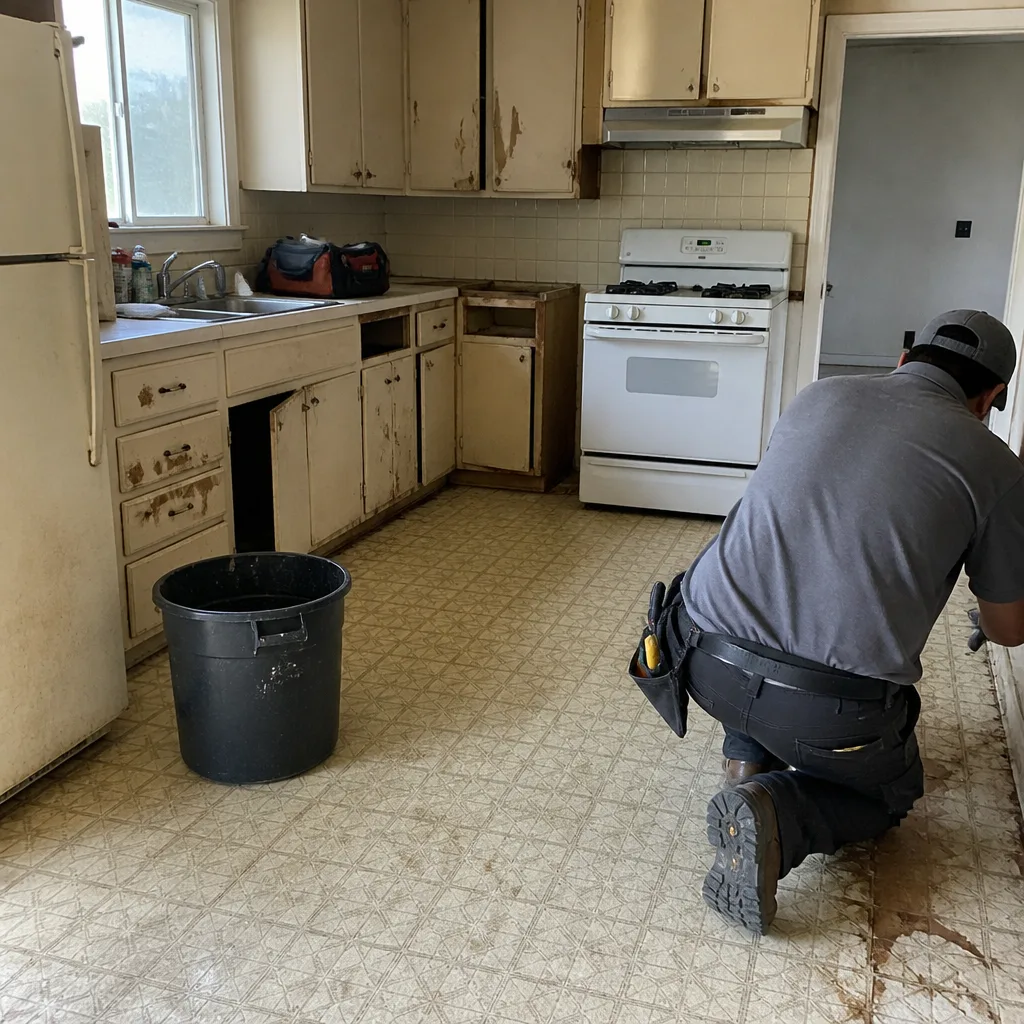 Before
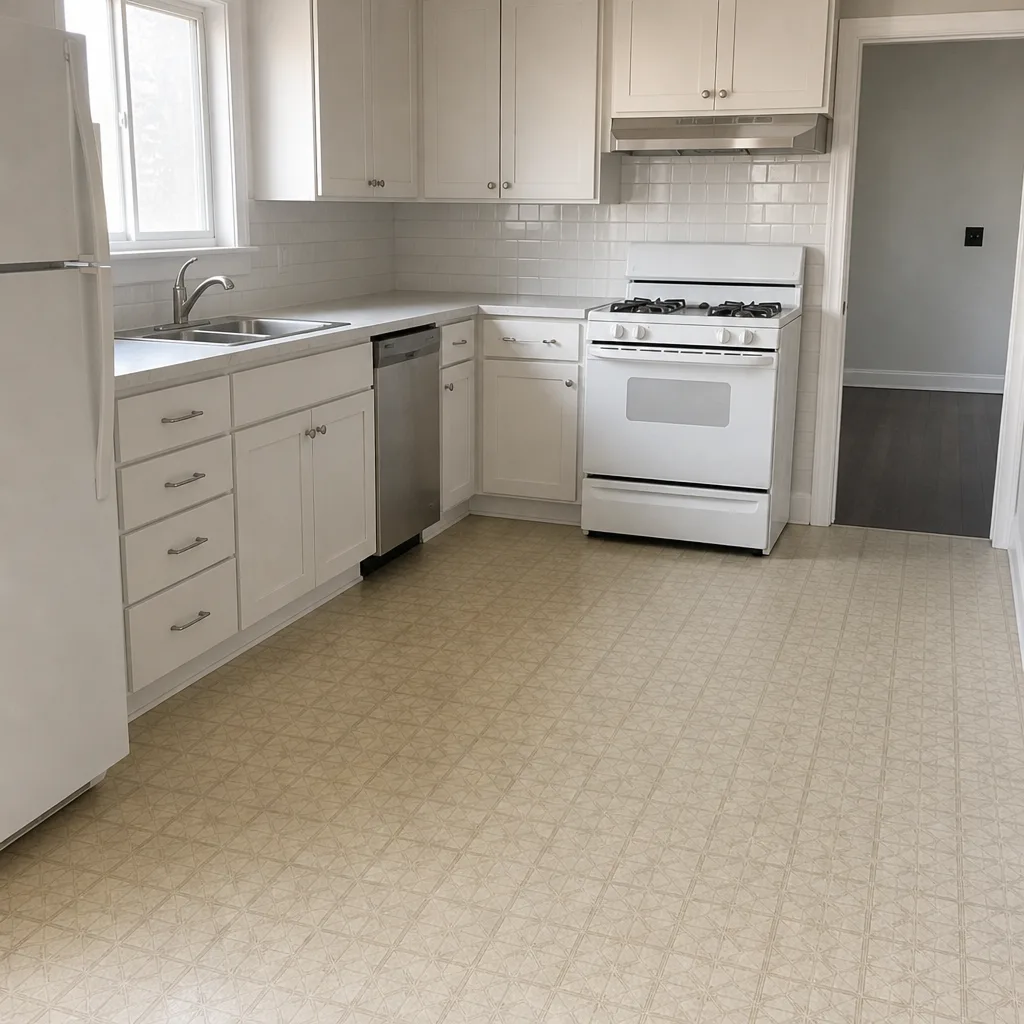 After
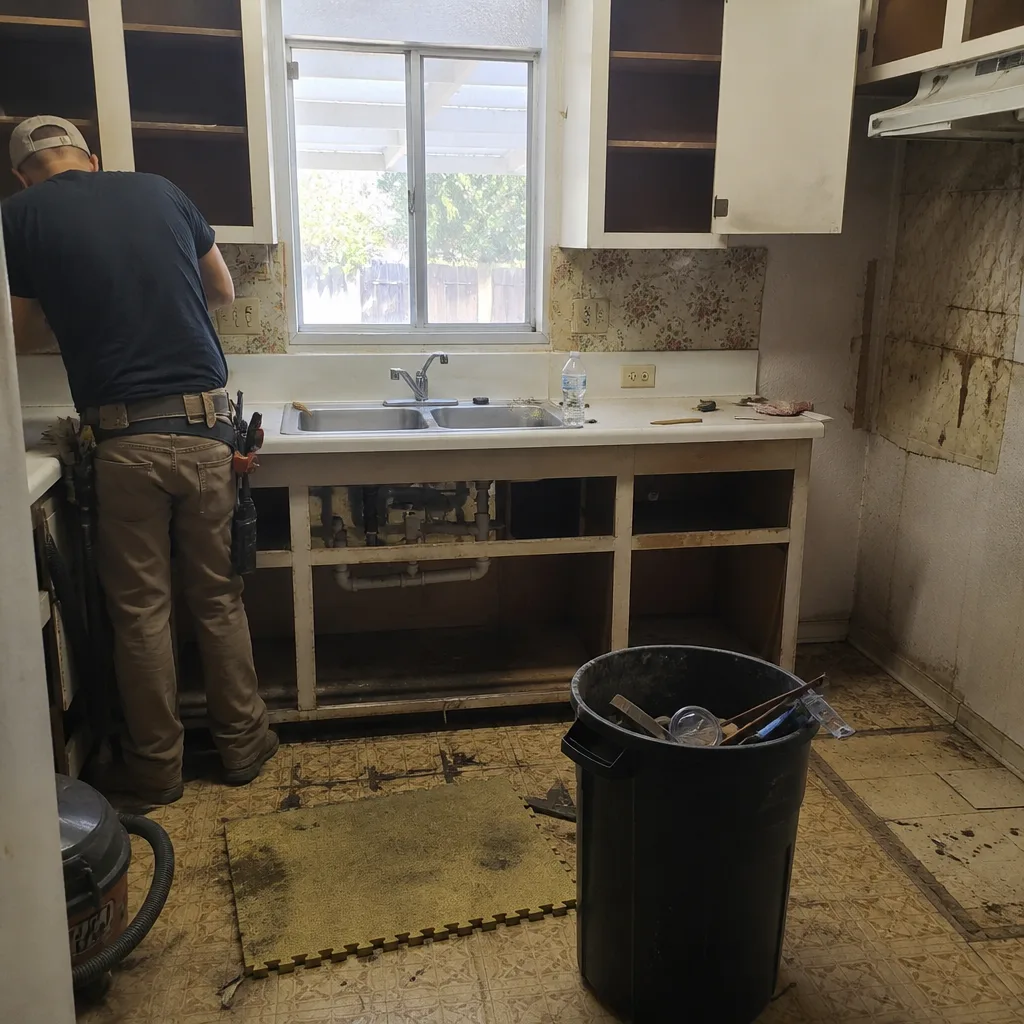 Before
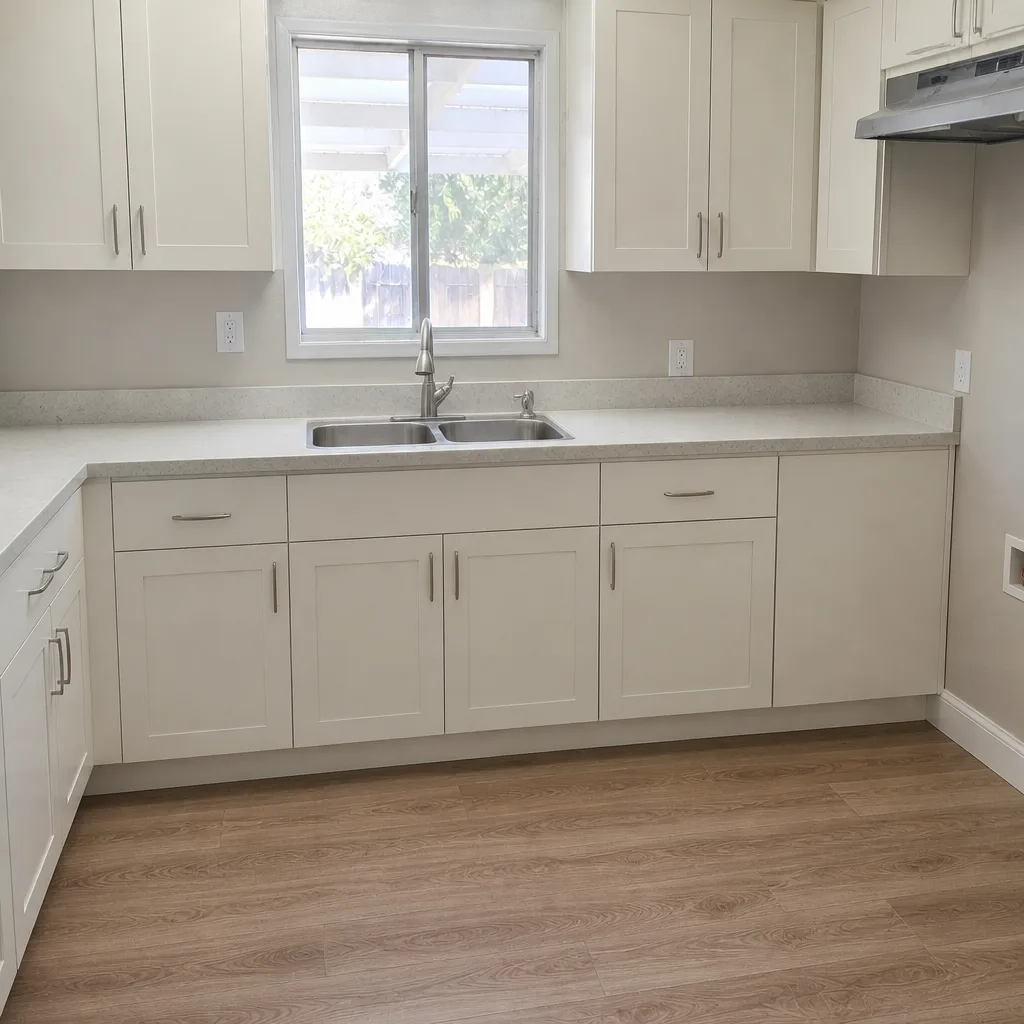 After
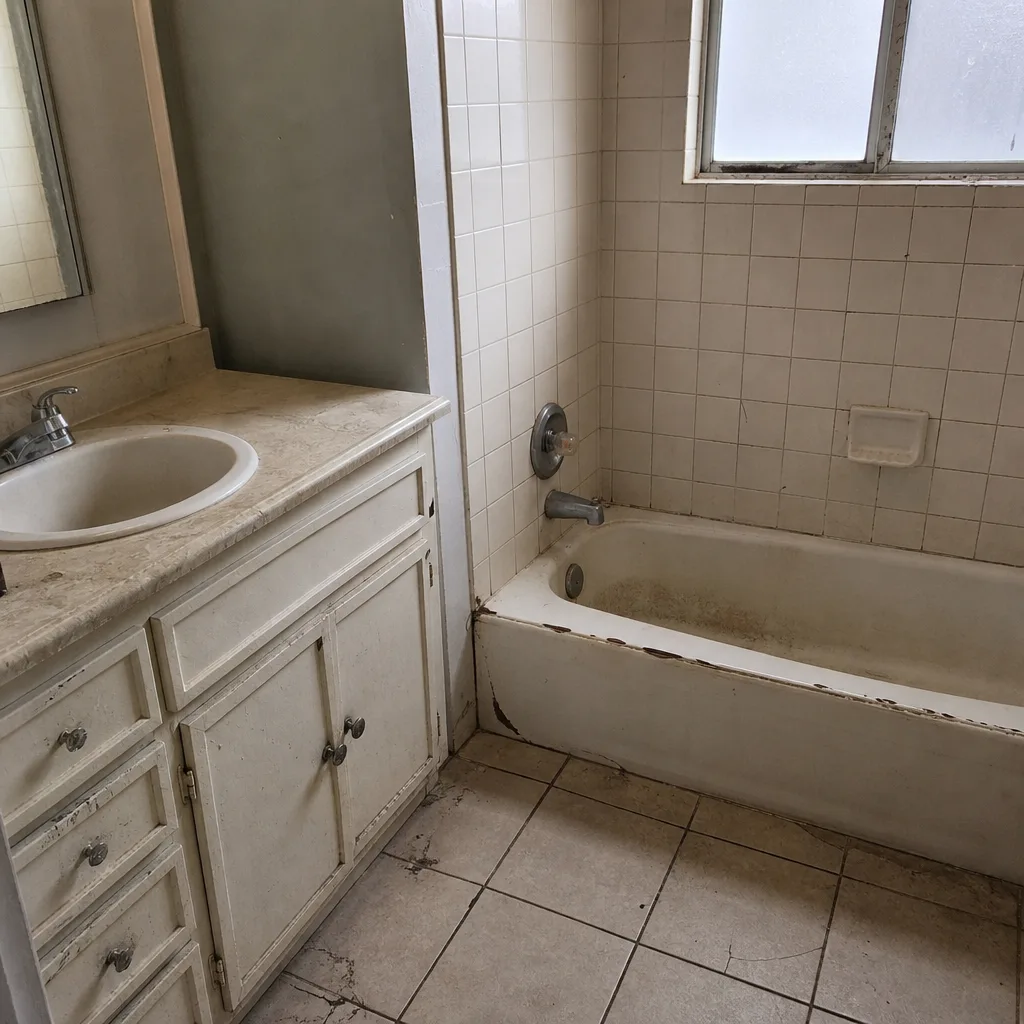 Before
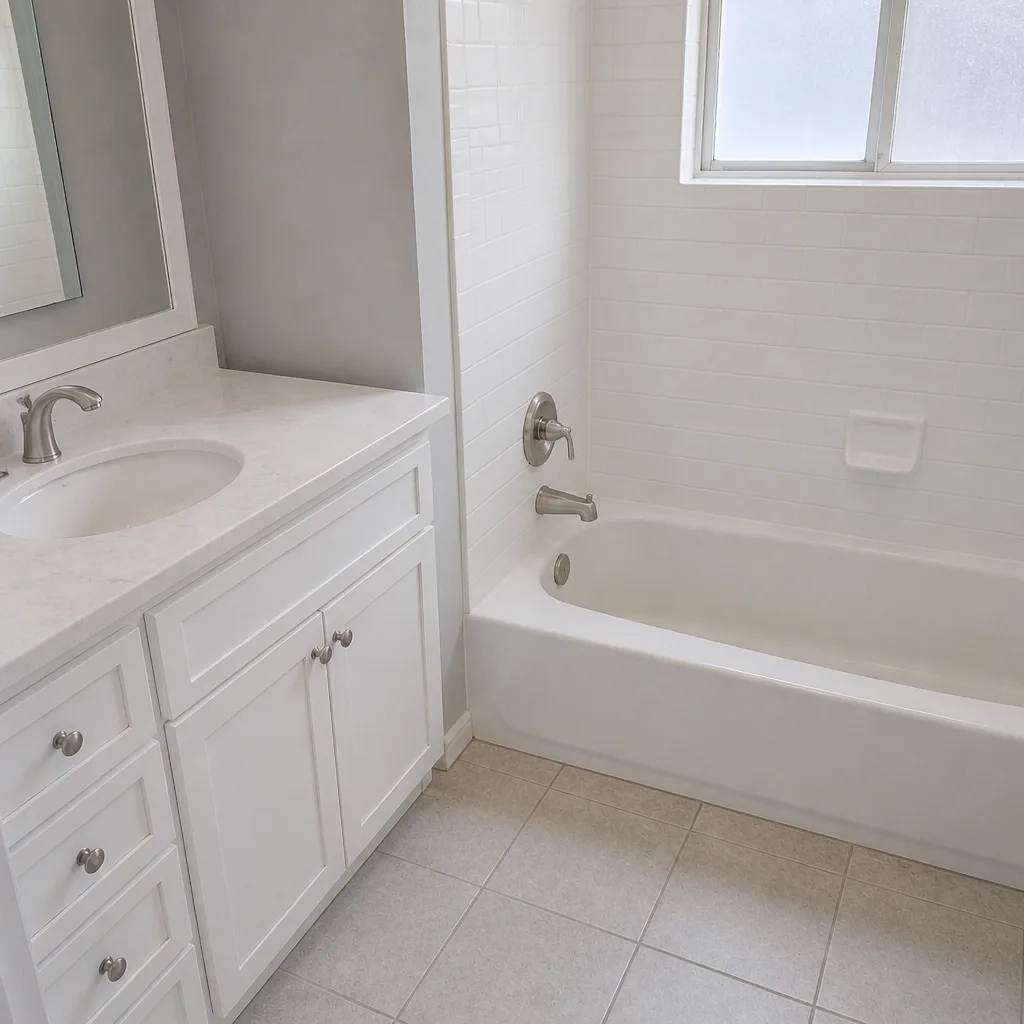 After
When to Call a Professional
Call a professional when a warning sign is actively progressing, when water is finding a way in, or when the structure behind the sign isn’t something you can assess from the surface. For roofing, siding, windows, doors, drainage, and hardscape work, a licensed contractor assessment is the right first step. For horizontal stem-wall cracks, stair-step veneer cracks, a floor with a continuing slope, or any crack that reopens after repair, get a structural engineer first, then bring in a contractor to carry out the fix.
If you’re unsure which category your sign falls into, that’s a fair question to ask on the phone. We answer it honestly, including when the answer is monitor-and-wait. We work across Construction Fairfield and the surrounding neighbourhoods, and our technicians have up to 14 years of experience reading Fairfield homes and the signs that come with them.
Construction Fairfield offers free estimates in Fairfield – call (888) 282-0741. Written line-item quotes, fixed pricing with no change orders, workmanship warranty, and permits pulled and inspections passed. We answer 24/7. Fast dispatch from 7am to 7pm, Sunday through Friday.
Frequently Asked Questions
Watch for diagonal cracks above door and window corners that grow rather than stabilize, sticking doors that stay stuck, and horizontal cracks in a stem wall. In Fairfield, seasonal cracks that open in the dry season and close in winter are usually clay-soil movement; cracks that keep progressing regardless of season point to structural movement and warrant a structural engineer. Photograph and date them before you patch anything, then call (888) 282-0741 for an assessment.
A small diagonal crack at a door corner is common settling if it stays the same size over a year. It’s a structural sign if it keeps growing, reopens after repair, or pairs with a door that no longer latches. Run your hand along the crack and check the paint line; if the drywall is deflecting inward, get it looked at by a professional. Call (888) 282-0741 and we’ll help you tell the difference.
If your roof has curling or granular shingles on south- and west-facing slopes, cracked rubber vent boots, or flashing that’s pulled away, it needs an assessment. Fairfield summers are hard on sealants and boots, and those fail before the shingles do. Check the attic for daylight and staining after rain; if you see either, call (888) 282-0741 for a free roof assessment.
Yes. Water pooling against the slab after rain, downspouts discharging at the foundation, and soil graded toward the house are all predictive of foundation trouble in Fairfield’s clay soil. Fixing drainage early is the cheapest structural repair available. Extend downspouts, regrade to shed water away, and call (888) 282-0741 if water still sits against the house after a heavy rain.
Call a structural engineer when you see horizontal stem-wall cracks, stair-step cracks in brick, a floor with a continuing slope, or any crack that reopens after repair. Call a contractor for roof, siding, window, door, drainage, and hardscape issues. If you’re not sure which applies, call (888) 282-0741 first and we’ll tell you which professional to bring in.
No. We work from a written line-item quote with fixed pricing and no change orders for the agreed scope. If a hidden condition turns up during the work, we stop, tell you what we found, and quote it separately before anything proceeds. Fairfield homeowners should always ask for the line-item quote in writing, then call (888) 282-0741 with any questions before signing.
The Bottom Line
Construction warning signs are readable if you know what to look for and you record them over time. In Fairfield, the highest-value signals are the ones that look like normal settling: diagonal cracks that keep growing, doors that stay stuck, drainage that pools against the slab, and roof boots that bake out under summer sun. Document each sign with a dated photo, note whether it’s seasonal or progressive, and match the response to the sign – monitor for cosmetic, call a contractor for envelope and drainage, call a structural engineer for load-path and stem-wall issues. Catch them early and they stay repairs. Catch them late and they become remodels.
Call (888) 282-0741 for a free estimate on any of it. We answer 24/7. Fast dispatch from 7am to 7pm, Sunday through Friday. Whether it’s driveway & pavers, roofing, fencing, a bathroom, or a larger addition, we handle it under one contract from the ground up.
Written by the team at Construction Fairfield.