
Last updated November 17, 2026
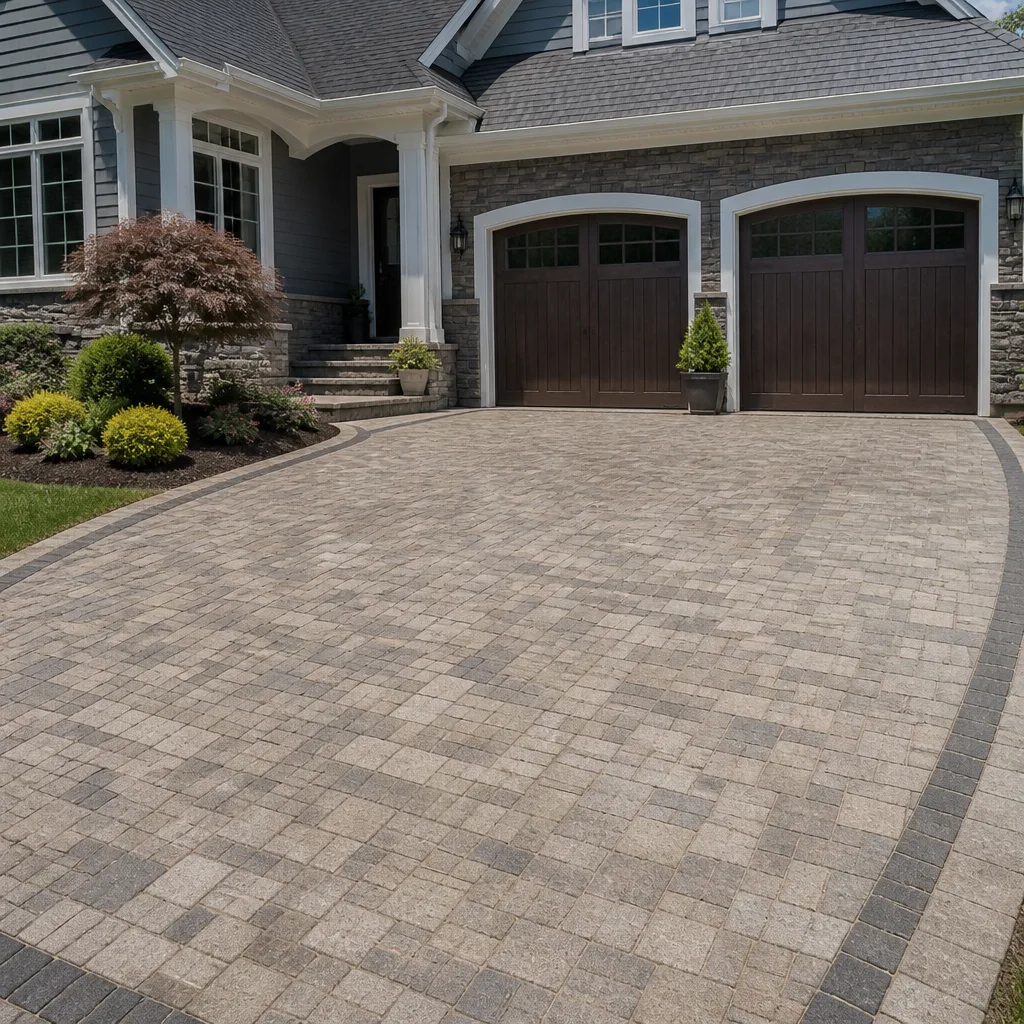 Driveway & pavers
 Kitchen remodeling
 Bathroom remodeling
 Home additions & ADU
 Roofing
 Windows & doors
 Fence
Free written scope consultation - allowances, timeline, and change-order rules on paper before a single trade is scheduled
Driveway & Pavers Troubleshooting in Fairfield: Common Problems and How to Fix Them
If you’re re-leveling the same sunken paver section for the third time, you’re not fixing a paver problem. You’re ignoring a base problem underneath it. The paver is just the messenger. In our experience across Fairfield, the same three root causes come back again and again: a base that was never compacted right, drainage that pushes water under the driveway instead of away from it, and joint material that can’t survive a Solano County summer. Homeowners misdiagnose all three constantly and spend repair money on symptoms instead of sources. This guide walks you through how to tell cosmetic settling from structural failure, why polymeric sand blows out here, what white mineral haze actually means, how valley oak and liquid amber roots behave, and how to decide between a patch, a re-base, and a full replacement. Fairfield homeowners who read this before calling a contractor will ask better questions and avoid paying twice.
Quick Answer
Most paver driveway problems in Fairfield aren’t paver failures at all. They’re base, drainage, or joint-material failures that show up at the surface. A cosmetic wobble can usually be patched with a paver pull and reset, but a section that keeps sinking, a low spot holding water, or a joint that cracks every summer points to a deeper fix: re-compacting or re-building the base, correcting the slope, and switching to a sand-free jointing system. The right repair depends on which of those three you actually have, and diagnosing that before you spend a dollar is the whole game.
Styles & brands we work with
- Kitchen remodeling
- Bathroom remodeling
- Home additions & ADU
- Roofing
- Windows & doors
- Driveway & pavers
- Fence
Table of Contents
- Cosmetic settling vs. structural base failure: how to tell the difference
- Why Fairfield’s summer heat cracks polymeric sand
- Efflorescence: what the white haze means
- Tree root intrusion from valley oak and liquid amber
- Drainage and slope problems
- Patch, re-base, or replace: the decision framework
- Which joint systems hold up in Fairfield
- Maintenance that actually extends driveway life
Cosmetic Settling vs. Structural Base Failure: How to Tell the Difference
A paver that sits a hair lower than its neighbors after a few years is normal. A paver that sinks below the sand line and takes its neighbors with it is telling you the base underneath has moved. The distinction matters because the repair cost is different by an order of magnitude, and the cosmetic fix applied to a structural problem will fail again within a season.
Here’s the diagnostic sequence we use when we look at a Fairfield driveway:
- Walk the surface barefoot or in thin soles. A gentle crown or dip that feels smooth underfoot is usually cosmetic. A hard lip where one course meets another is structural.
- Look at the joint width. Uniform joints that have settled together are cosmetic. Joints that have opened up in one area while closing in another are a sign the base is moving.
- Press down on the suspect pavers. A slight rock that stops is normal. A bounce, a hollow click, or a paver you can press below the adjacent course is base failure.
- Pull one paver in the affected area. If the bedding sand underneath is loose and dry, the base hasn’t compacted. If it’s wet, dark, or smells like soil, water is getting under the driveway and the drainage design needs attention.
- Check the edges. Edge restraint that’s loose or missing lets the outer course migrate outward, which lets the whole field loosen up over time.
Once you’ve walked that list, you know which repair category you’re in. A single paver that’s a little low with a tight joint and firm bedding is a cosmetic reset. A paver that moves underfoot, opens its joint, and sits on soft or wet sand is a section that needs to come up and the base underneath re-done. If the same area has already been reset twice, the base is the problem and no amount of cosmetic work will hold. For a broader look at how pavers should be installed in the first place so these problems don’t’ start, see our driveway & pavers service page.
Why Fairfield’s Summer Heat Cracks Polymeric Sand
Polymeric sand is a mix of fine aggregate and a polymer binder that sets hard once it’s watered in. It works well in mild climates. In Fairfield’s inland summer heat, where surface temperatures on a paver driveway can run far above air temperature and swing widely between afternoon and night, the polymer film cracks and lifts out of the joint in sheets. Once a joint opens, the bedding sand underneath starts to wash, the paver loses lateral support, and the section starts to move.
This is one of the most common failure patterns we see in Fairfield, and it’s often mistaken for a bad installation. It isn’t always. Some polymeric sands simply aren’t formulated for the thermal cycling this valley produces. The fix isn’t to re-sand the same product every spring. The fix is to move to a jointing system that doesn’t rely on a surface polymer film for its strength.
Which joint systems hold up better locally:
- Sand-free jointing systems. These use a graded aggregate that compacts into the joint and relies on particle interlock rather than a cured surface. No polymer film to crack in the heat. This is our default recommendation for Fairfield driveways.
- Polymeric sand with an enhanced binder. Better than standard polymeric, but still subject to the same failure mechanism over a long hot summer. Worth considering for shaded driveways or northern exposures where the sun load is lower.
- Joint stabilizer over clean sand. A liquid stabilizer applied after a clean sand fill. It works if the sand is clean, the joint is uniformly filled, and the driveway drains properly. It does not work if water is sitting in the joints.
- Dry-laid pavers with wider joints. For some rustic paver styles, wider joints filled with a graded base aggregate and compacted mechanically hold up well in heat as long as weeds aren’t a problem for you.
One thing to know: blowing out a joint with a pressure washer at too high a setting will damage any of these. It’s one of the most common reasons a joint fails within a year of a re-sanding. We’ve seen more than a few Fairfield driveways where a well-meant pressure wash did more damage than the sun would have.
Efflorescence: What the White Haze Means and What It Doesn’t
Efflorescence is a white, powdery mineral deposit that comes to the surface of concrete or clay pavers. It looks alarming, and it’s usually harmless. The minerals are salts that were already in the paver, the base, or the bedding sand. When water passes through the paver and evaporates at the surface, it carries those salts with it and leaves them behind.
Here’s what efflorescence doesn’t mean: it doesn’t mean the paver is defective, it doesn’t mean the driveway is failing, and it doesn’t mean the installation was done wrong. Most pavers will throw some salt at some point, and in Fairfield’s climate the wet winter and dry summer cycle is ideal for it to appear in the first year.
Here’s what efflorescence does mean: water is moving through the driveway and out the top. Sometimes that’s just curing moisture leaving the paver over time. Sometimes it’s a sign that water is sitting in the base and slowly escaping upward because the drainage isn’t moving it away. If efflorescence keeps returning year after year on the same section, efflorescence isn’t’ the problem. Drainage is.
The correct removal sequence:
- Wait out the first season. New pavers throw efflorescence as they cure. It often stops on its own.
- Dry-brush first. A stiff bristle brush removes visible salt without driving it back into the surface.
- Use an efflorescence remover formulated for pavers. Not muriatic acid on clay pavers or any paver with a factory sealant or integral color. Acid can etch or discolor the surface permanently.
- Rinse thoroughly and let dry completely. The salt you disturb needs somewhere to go. Rinse away from planting beds and storm drains.
- If it returns, investigate drainage. A paver with good drainage and a well-compacted base will stop throwing salt within a couple of seasons. A paver that keeps throwing salt has water in the base.
One more thing. Sealing a paver that’s actively throwing efflorescence traps the salt under the sealer and makes the problem worse and harder to fix. Never seal a driveway that’s still showing white haze.
Tree Root Intrusion from Valley Oak and Liquid Amber
Fairfield’s street trees are one of the things that make the city good to live in, and they’re also one of the most common hidden causes of paver driveways failing. Valley oak sends roots wide and shallow, and it will happily claim the moist soil beneath a paver driveway base. Liquid amber sends roots almost horizontally near the surface and is famous for lifting hardscape. If either tree is within about a canopy radius of your driveway edge, root intrusion is on the short list of suspects for any bump or heave pattern in the pavers.
How root damage actually shows up:
- A ridge or tent pattern that runs perpendicular to the paver field, following a line away from the tree.
- A single course that lifts while the rest of the driveway stays flat.
- A pop in one small area that returns after being reset, usually within one season.
- Joint opening in a curve that traces the tree’s root direction.
The repair is not simply to pull the lifted pavers and reset them. If the root is still actively growing into the base, resetting the pavers guarantees a repeat. There are three real options:
- Root barrier. Install a root barrier along the tree side of the driveway before the pavers go back down. Stops future intrusion without harming the tree.
- Reroute with a thickened base. Where the root is already deep, a deeper compacted base over the root zone can bridge the intrusion for years, though not forever.
- Remove the intrusive root. Only with a certified arborist’s approval. Removing a structural root from a valley oak can destabilize the tree and is more dangerous than the driveway problem. Never let a paving contractor cut a mature tree’s root without arborist sign-off.
For most Fairfield homeowners with a valley oak or liquid amber near the driveway, the practical answer is a root barrier plus a re-base of the affected section. It’s more work than resetting pavers, but it’s the only approach that doesn’t guarantee a repeat in two or three years.
Drainage and Slope Problems: Where Water Goes Wrong
Water is the single most destructive force on any paver driveway. When it drains away from the paver field, the driveway lasts a long time. When it drains into or under the field, the base softens, sand washes, joints open, and the whole section starts to fail. In Fairfield, where summer is dry and winter brings concentrated rain, the failures happen quickly once the drainage pattern is wrong.
The three drainage problems we see most often in Fairfield:
- Negative slope toward the house or garage. The driveway was built to shed water toward the street, but the field has settled in a way that now drains back to the building. You’ll see staining at the base of the garage door or pooling at the slab edge.
- Water running across the driveway instead of off it. Usually a sign the crown is gone, or the driveway was built flat with no cross-slope. Water sits until it infiltrates.
- No edge drainage at the low side. Where a driveway meets landscaping on the downhill side, water needs a place to go. Without a channel drain, trench drain, or dry well, it ponds against the edge restraint and works its way in.
The fix depends on which you have. A crown that’s gone because the base settled needs the section lifted and re-compacted with the slope restored. A flat field needs either a re-grade of the top course or, if the geometry won’t allow it, an added drain. Ponding against an edge needs a channel drain cut into the paver field at the low point, connected to a dry well or daylighted to a safe discharge point.
If your driveway is doing one of these things and the water is reaching the house or a garage slab, that’s a “call now” situation, not a “next summer” situation. Water against a foundation is a structural issue, and paver troubleshooting in Fairfield has to include the building on the other side of the problem.
Patch, Re-Base, or Replace: The Decision Framework
This is the question most Fairfield homeowners actually want answered: do I need to spend on a re-base or a full replacement, or can I get away with a patch? Here’s the framework we use. It’s honest about when a patch is right, and honest about when it isn’t.
Patch the paver
The right call when the failure is cosmetic: a paver that’s a hair low, a small area where the joint has opened but the bedding is intact, a single paver cracked from a dropped load. If the paver pulls out clean and the bedding underneath is dry, firm, and compacted, a reset will hold. Realistic cost: usually a small job, priced per job after an on-site estimate, and it’s genuinely worth trying on a cosmetic issue.
Re-base a section
The right call when the base under a defined area has failed but the rest of the driveway is solid. Signs: a repeated sinking area, a paver that rocks when you step on it, or wet sand found under the failed paver. The repair removes pavers, excavates the failed base, re-compacts in lifts, restores slope, and puts the pavers back down. Usually a mid-range job priced by the square footage of the affected area, generally well under the cost of a full replacement. It’s the right answer for local base failure.
Full replacement
The right call when three or more of these are true: the base was thin to begin with and never properly compacted, drainage across the whole driveway is wrong, more than about a third of the field is showing movement, the pavers themselves are spalling or have lost surface integrity, or you’re planning to change the driveway’s grade or footprint anyway. Replacement also becomes the right answer when you want to upgrade joint systems, add edge drainage, or change pavers, because you’re opening up the field regardless.
Replace the pavers over the existing base
Sometimes the pavers are the problem and the base isn’t. Spalling concrete pavers, pavers that have lost their surface, or pavers whose color or finish is no longer wanted can sometimes be replaced over an existing sound base. This only works if the base can be inspected and confirmed. If we can’t verify the base, we won’t promise a new surface will hold.
There’s a decision-tree shortcut worth remembering: patch the paver if the bedding is dry and firm, re-base the section if the bedding is wet or moving, replace if the same section has failed before or the whole field is compromised. If you’re near a fence line and the driveway and fence are both aging out, that’s a good time to look at both together. Our fence installation service page covers what to expect on the fence side of the same project.
Which Joint Systems Hold Up in Fairfield
The joint is the most vulnerable part of any paver driveway, and Fairfield’s thermal swing is hard on it. A joint has to do two jobs: keep water out of the bedding sand and keep the pavers from moving laterally. Any joint system that fails one of those jobs fails the driveway within a few seasons, and the surface problem you see later is really a joint problem you had earlier.
Here’s how the main joint systems compare for Fairfield conditions:
- Sand-free jointing systems: Best in heat. Relies on particle interlock, no polymer to crack. Highest upfront cost of the joint fills, lowest long-term maintenance. Our usual recommendation for full-sun driveways.
- Polymeric sand: Acceptable for shaded or northern exposures. Not the right fit for a full-sun driveway in this valley, and prone to failing within a few summers once the polymer film starts to crack.
- Enhanced polymeric: A middle step. Better than standard, still subject to the same mechanism. Reasonable choice where a sand-free system isn’t a budget fit.
- Stabilized sand with liquid sealer: Works only when the driveway drains properly. Cheap to redo, cheap to fail. Best on fully shaded driveways and low-traffic areas.
Whichever joint system you use, edge restraint matters as much as the joint fill itself. A paver field with a loose edge is a paver field that will loosen from the edges in. Edge restraint should be set into the base, not just set alongside the pavers, and it should be pinned or bonded according to the paver manufacturer’s spec.
When we’re installing new pavers, we work with pavers from Belgard, Unilock, Tremron, Techo-Bloc, and Cambridge Pavers, and we’ll match the joint system to the paver, the site, and the sun exposure. It’s one of the reasons a driveway done by a firm that installs driveways for a living holds up differently than one knocked out at the end of a bigger landscaping job. The paver manufacturer’s warranty covers material defects, not joint choice; the joint decision is on the installer.
Maintenance That Actually Extends Driveway Life
Most of what passes for paver maintenance advice these days is either useless or mildly harmful. Sealing every year sounds proactive and often isn’t. Pressure washing at high pressure sounds like cleaning and often starts a joint failure. Here’s what actually extends the life of a Fairfield driveway.
- Clear the joints once a year. Debris and soil in the joints is what grows weeds and lets water sit. A short bristle brush and a leaf blower on low setting works. Do this in early fall, before the rains.
- Re-fill joints before they start holding water. A joint that’s lost its fill is a joint that will lose its paver. Top off with the same joint material the driveway was built with, not a mismatched product.
- Check the edge restraint every spring. Walk the perimeter. If you can rock the edge with your foot, the edge needs attention before the field starts to loosen.
- Watch where water goes after the first rain. Walk the driveway after a real rain and see where water pools, where it runs, and where it reaches the house. That’s the best diagnostic tool there is, and it’s free.
- Spot-repair small issues before summer. A paver that’s really starting to rock is cheaper to fix in spring than to replace after the summer heat has opened the joint around it.
- Clean with low pressure, a light detergent, and a wide nozzle. If you hire out pressure washing, tell the provider the driveway is pavers, not concrete. Ask them to keep the pressure down. Never pressure wash polymeric or sand-free joints at close range.
The most valuable maintenance habit is the simplest: when you see a problem, look at the base and the drainage before you look at the paver. If you fix the paver and the base is still wet, the repair isn’t real. That single habit separates a driveway that gets reset once from one that gets reset every spring.
Common Mistakes to Avoid
- Re-sanding without fixing drainage. New joint fill over a drainage problem fails within a season, and the homeowner assumes the joint product is bad. It’s not. The water under the joint is the problem.
- Sealing a driveway that’s still throwing efflorescence. Traps the salt under the sealer and makes removal harder. Wait until the salt stops before considering a sealer.
- Pressure washing polymeric joints at close range. Removes the joint fill, opens the bedding, and starts the section failure. It’s one of the fastest ways to cause the problem you were trying to fix.
- Resetting pavers over an uncompacted base. If the paver came up easily and the sand underneath feels soft or wet, do not put the paver back down without addressing the base. Doing so guarantees a repeat.
- Cutting valley oak or liquid amber roots without an arborist. Removing a structural root can destabilize a mature tree and is a bigger problem than the driveway bump. Always get arborist sign-off before any root work.
- Assuming the driveway can’t be rebuilt because of grade. In Fairfield, we can adjust slope in the top course or add edge drainage on many driveways that look flat. Get a professional opinion before accepting that nothing can be done.
- Hiring a landscaper to do paver repair on the side. Pavers fail at the base and the drainage, and that’s a construction problem, not a planting-bed problem. Use a firm that treats driveways as part of what they do.
See the difference
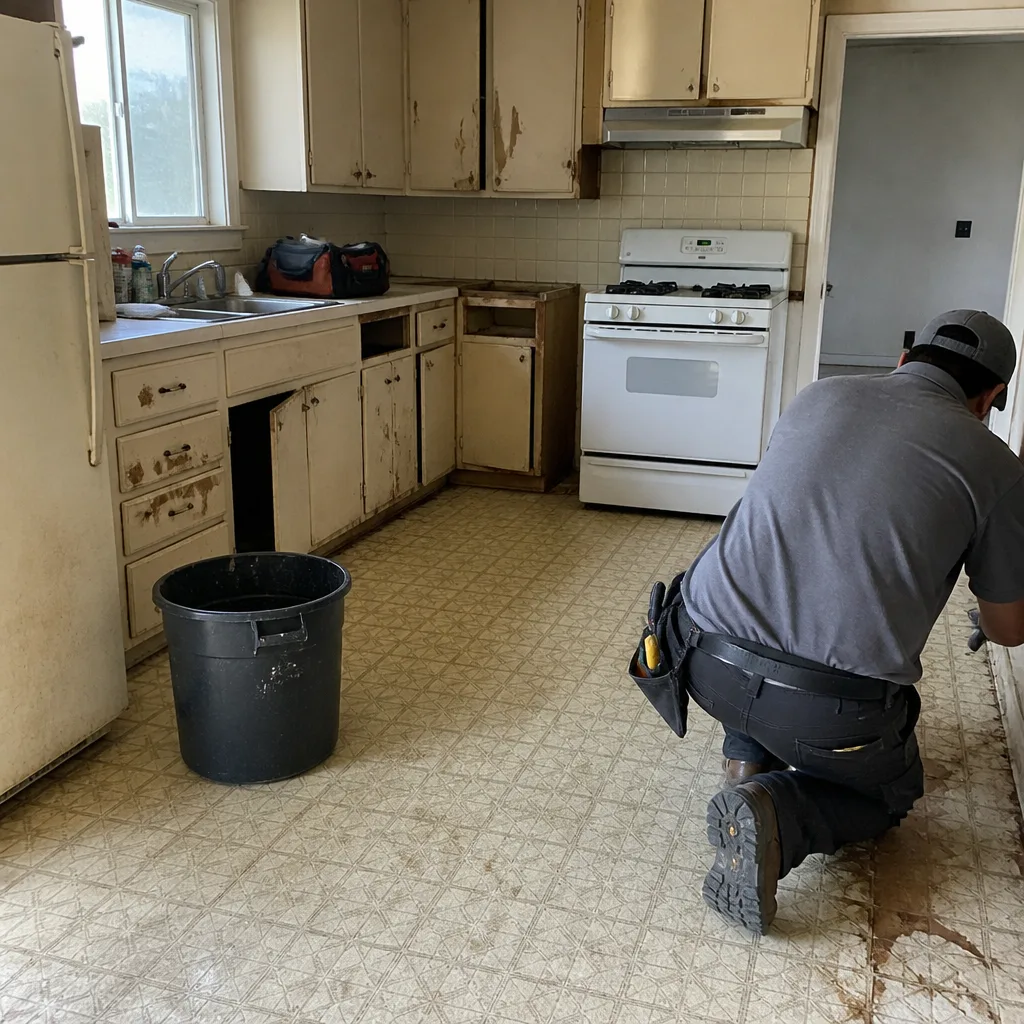 Before
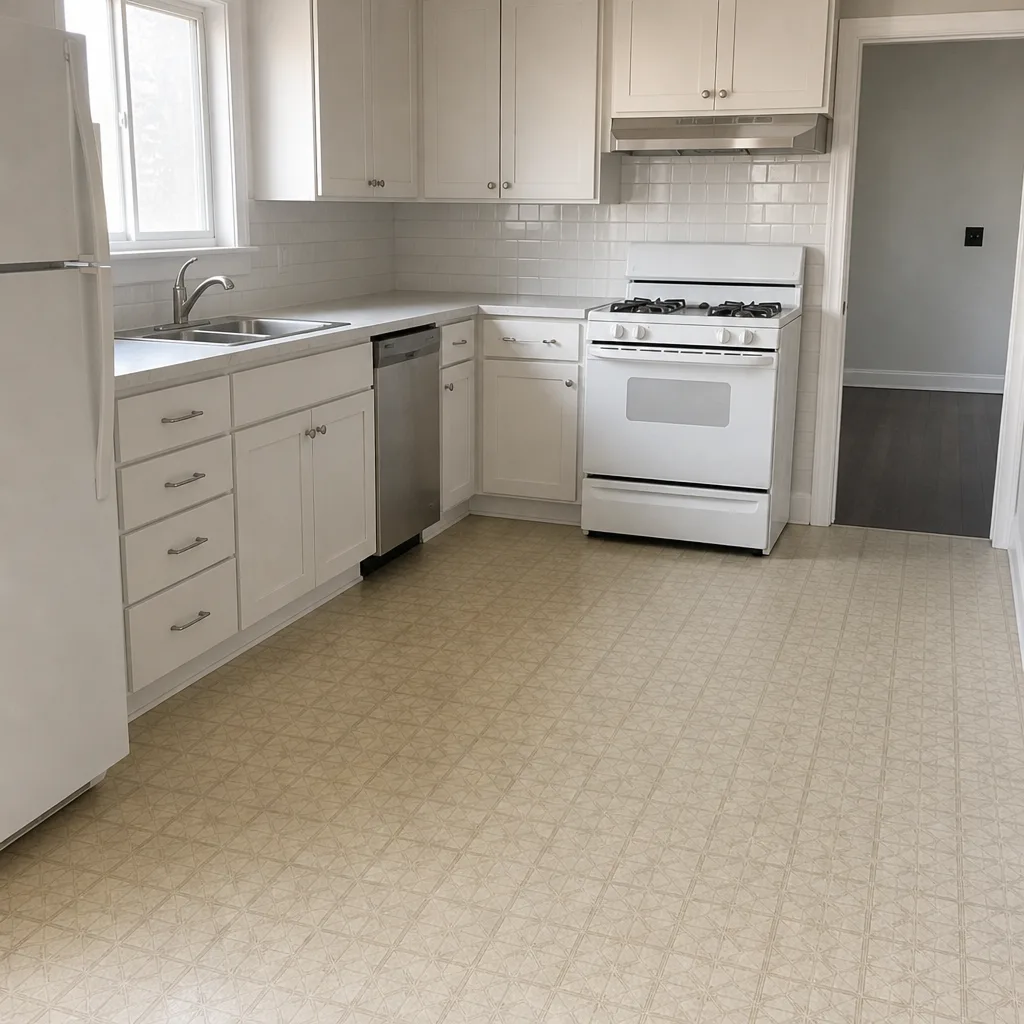 After
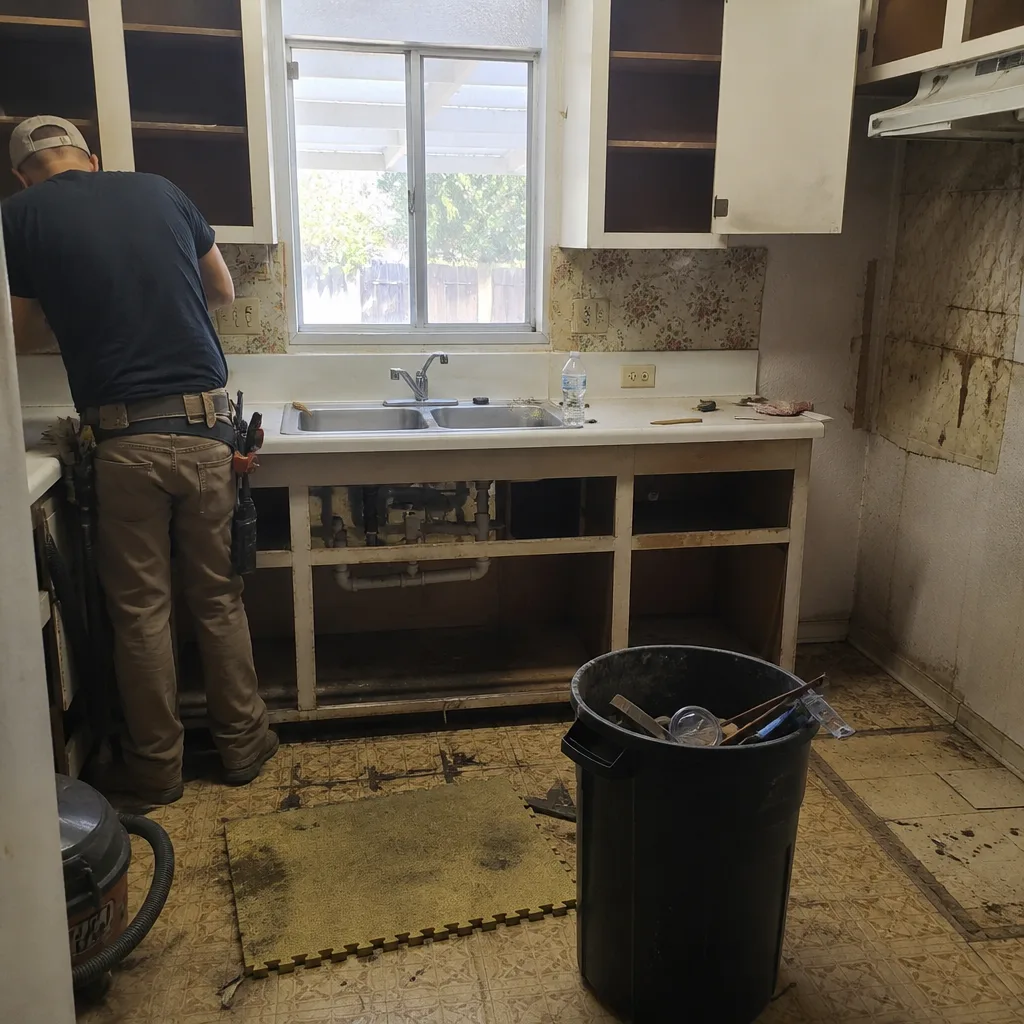 Before
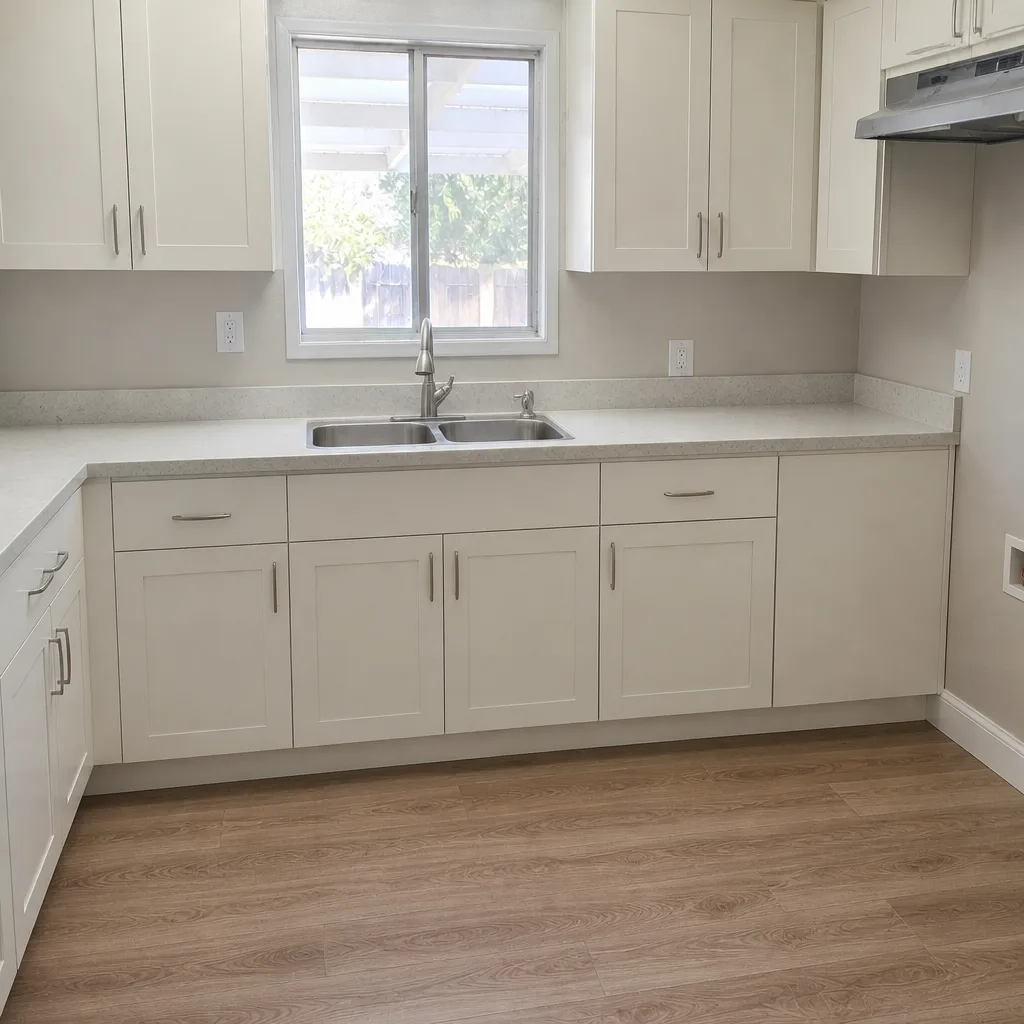 After
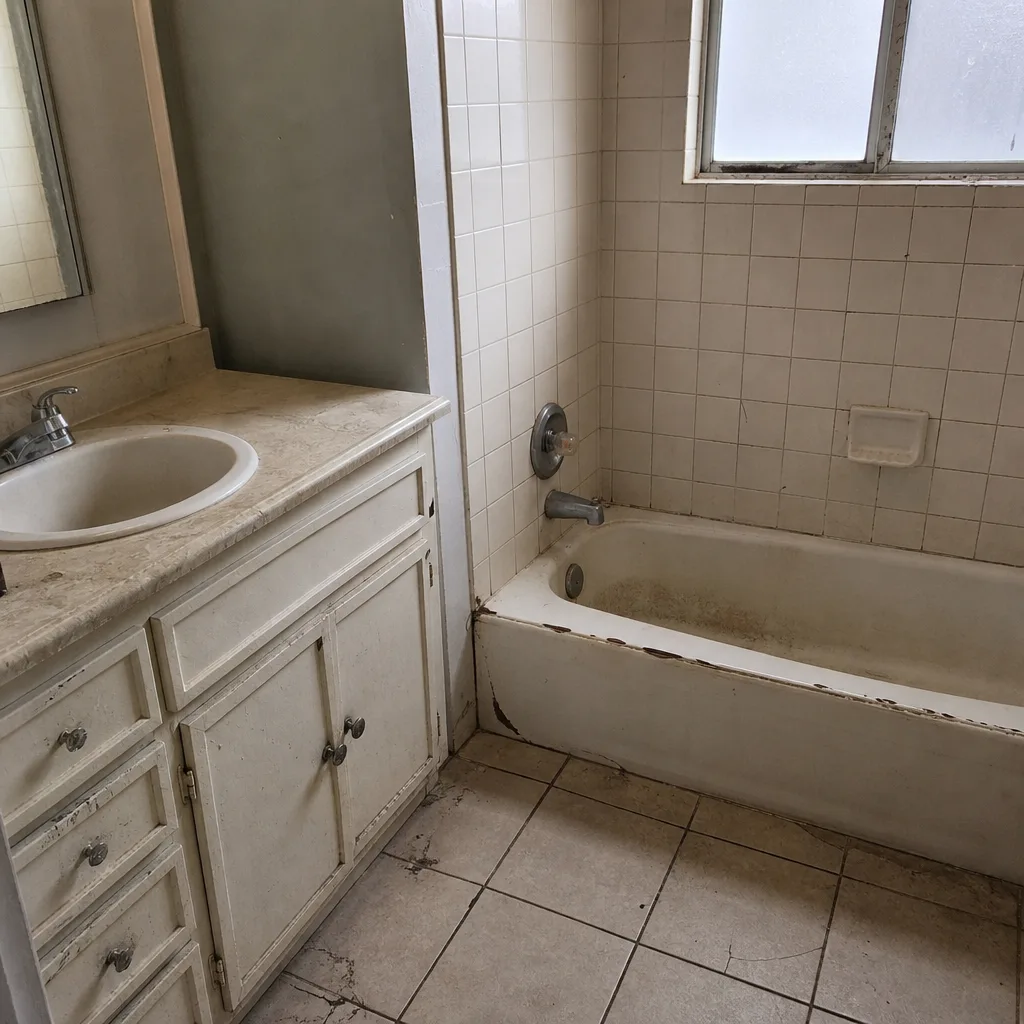 Before
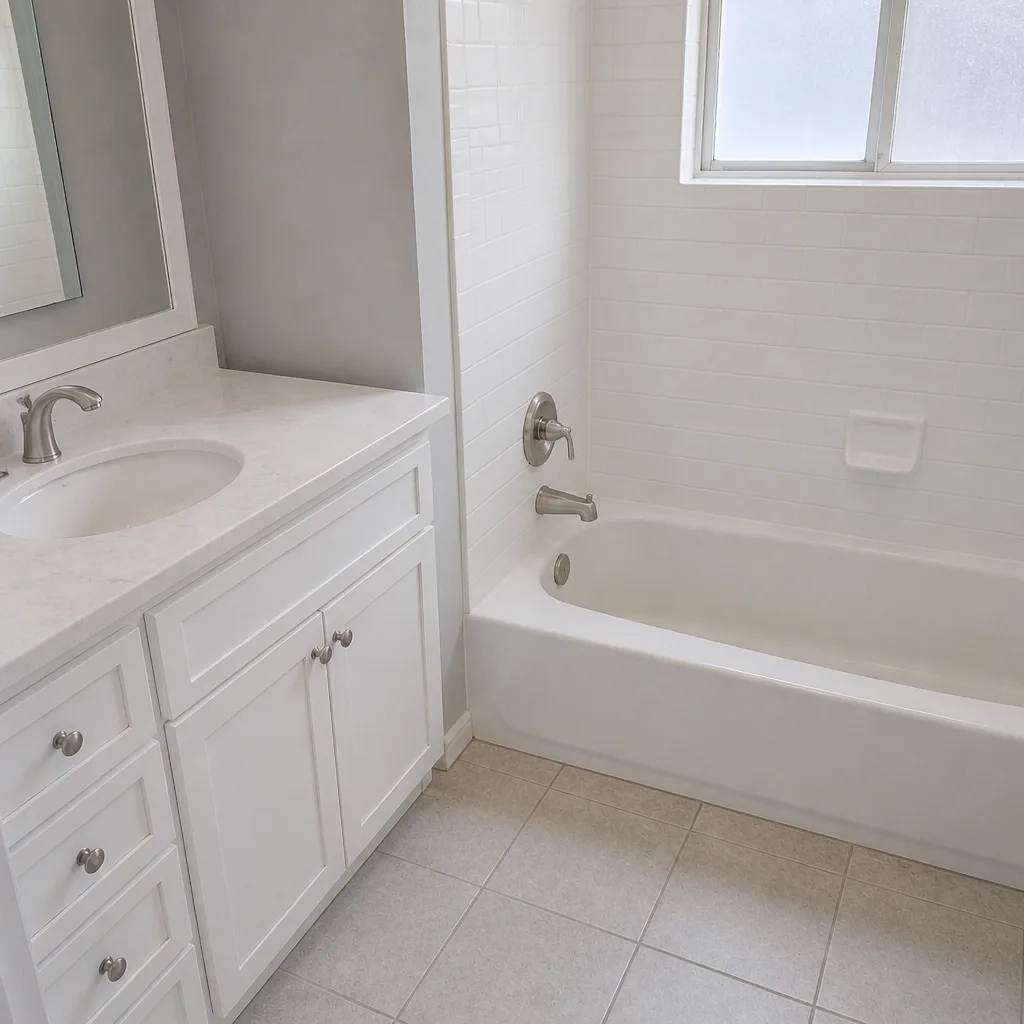 After
When to Call a Professional
Call a professional if any of these describe your driveway: a section has been re-set more than once, a low spot holds water after rain, water is pooling against the house or garage slab, the pavers rock underfoot, white haze keeps returning to the same area year after year, a tree is within a canopy radius of the driveway edge, or you’re ready to plan a re-base or replacement and want a real quote instead of a guess.
Fairfield homeowners also call us for a straightforward reason: after the diagnosis, they want to know what the repair actually involves before committing to a number. That’s the conversation to have. Construction Fairfield offers free estimates in Fairfield. Call (888) 282-0741 to schedule one. We answer 24/7, with fast dispatch from 7am to 7pm, Sunday through Friday.
Frequently Asked Questions
Because the base underneath that section is failing, not because the paver itself is defective. A paver that sinks repeatedly is sitting over bedding sand that either wasn’t compacted properly to begin with or has lost its density because water is getting into it. Resetting the paver without addressing the base will fail again within one season. Call (888) 282-0741 for a free estimate on a proper diagnosis before you spend again on the same paver.
Because polymeric sand relies on a cured polymer film that Fairfield’s inland thermal swing cracks over time. Surface temperatures on a paver driveway run far higher than the air temperature in summer, and the wide day-to-night swing is exactly what opens that film. A sand-free jointing system, which relies on particle interlock instead of a polymer film, holds up better in this climate. For an exact quote on switching joint systems, call (888) 282-0741; estimates are free.
No. Efflorescence is a mineral deposit carried to the surface by evaporating water during the paver’s first season or two, and it’s usually harmless. It becomes a real problem only if it keeps returning year after year on the same section, which means water is sitting in the base because the drainage is wrong. Fix the drainage and the efflorescence goes away on its own. Call (888) 282-0741 for a free estimate if the return is happening year after year, which is when it’s worth investigating.
Yes, you can often re-base one section, and it’s the right answer when the base has failed locally but the rest of the driveway is solid. Signs that it’s a local failure: a defined sinking area, rocking pavers in one spot, or wet sand under the failed paver, with the rest of the field firm and flat. If more than a third of the driveway is showing movement or the drainage across the whole field is wrong, replacement becomes the more cost-effective answer. Call (888) 282-0741 for a free estimate that tells you which case you’re in.
Look for a ridge, tent, or lifted course that runs in a line away from a tree in the direction its roots would grow. Valley oak and liquid amber both root widely and shallowly, and both can lift a paver field within a canopy radius. If the pattern traces away from a tree and the same spot keeps coming back after resetting, roots are the likely cause. Call (888) 282-0741 for a free estimate; we can assess the pattern and tell you whether a root barrier is the right fix.
No. We give a written estimate before work starts and the price you see on that estimate is the price, not a starting point for change orders. If a hidden problem shows up during excavation that genuinely changes the scope, we stop, show you what we found, and re-quote before proceeding. You never get surprised by a number at the end. Call (888) 282-0741 for a free estimate and a written quote on your Fairfield driveway repair.
The Bottom Line
Most driveway problems in Fairfield trace to base failure, drainage design, or joint material, and the paver at the surface is only ever the messenger. Diagnose before you spend: check whether the paver moves on soft or wet bedding, watch where water goes after a rain, look at the joint fill, and know your tree roots. Cosmetic settling is a cheap reset. A repeated failure is a re-base. A field-wide problem is a replacement. If you’re planning more than a driveway in the same season, that’s where building all of it with one contractor pays off. Our Construction Fairfield team mixes exterior work like driveways and pavers with the structural side of the business, including home additions & ADU projects. That matters when driveway grade, drainage, and building footprint have to be planned together.
If you’re ready to schedule a free estimate on your driveway, call (888) 282-0741. We answer 24/7. Fast dispatch from 7am to 7pm, Sunday through Friday.
Written by the team at Construction Fairfield.