
Last updated November 17, 2026
 Home additions & ADU
 Kitchen remodeling
 Bathroom remodeling
 Roofing
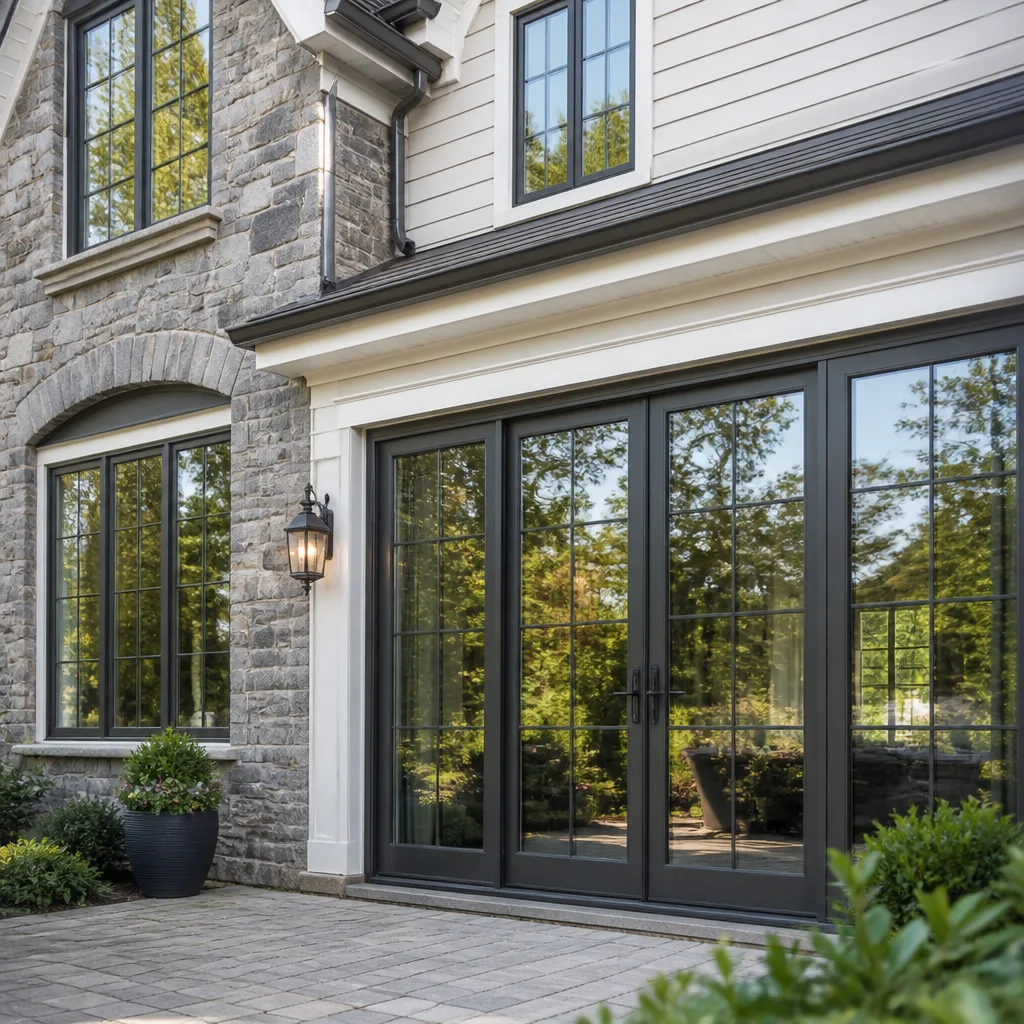 Windows & doors
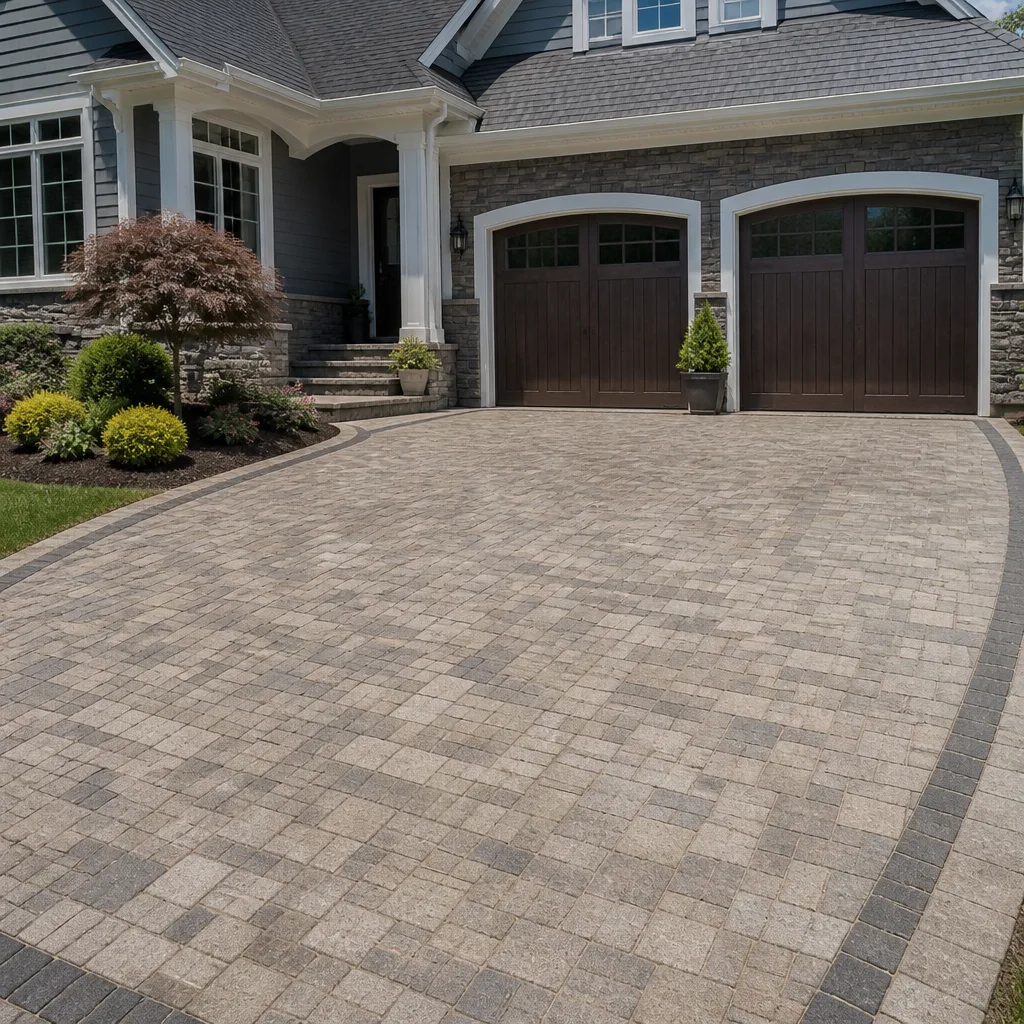 Driveway & pavers
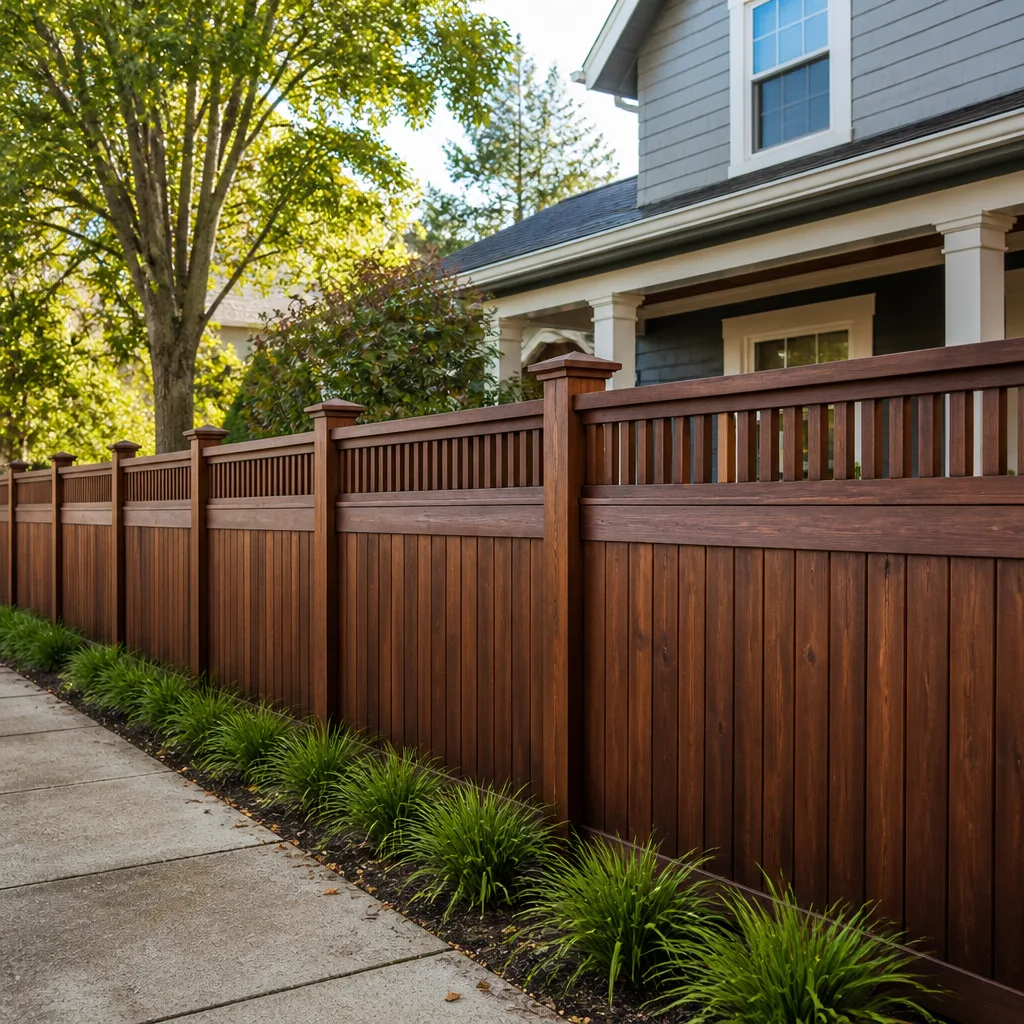 Fence
Free written scope consultation - allowances, timeline, and change-order rules on paper before a single trade is scheduled
Seasonal Construction Care for Fairfield: Year-Round Homeowner’s Guide
Fairfield averages 265 sunny days a year. That sounds like ideal construction weather until you notice what those sunny days do between the seasons. A summer afternoon that pushes past 100°F and a winter night that drops to 38°F are both ordinary here, and it’s the swing between them, repeated again and again, that ages a house faster than either extreme on its own. Caulk joints pull open, wood trim checks, roofing underlayment gets brittle, and paint loses its grip. This guide lays out a month-by-month care calendar built around Fairfield’s real climate, covering what to secure before the dry northeast winds arrive, how to inspect after the rainy season, and which materials actually hold up to the thermal cycling.
Quick Answer
Seasonal construction care in Fairfield means working with two hard seasonal markers instead of four soft ones: the dry northeast wind window from August through October that dries out and stresses exterior materials, and the end of the rainy season in March and April, when you inspect drainage, foundation perimeters, and siding for movement. Spring and fall are for repairs and larger projects, summer is for material-sensitive exterior work, and the thermal swing between 100°F summers and 38°F winter nights is what you’re maintaining against all year.
Styles & brands we work with
- Kitchen remodeling
- Bathroom remodeling
- Home additions & ADU
- Roofing
- Windows & doors
- Driveway & pavers
- Fence
Table of Contents
- Why Fairfield’s Climate Doesn’t Follow the Coastal California Playbook
- Month-by-Month Maintenance Calendar for Fairfield
- Pre-Diablo Wind Season Checklist (August through October)
- Post-Rainy Season Structural Assessment (March and April)
- Scheduling Contractor Work Around Fairfield’s Permit Load Cycles
- Materials That Hold Up Best Through Fairfield’s Thermal Swing
- Clay Soil, Drainage, and the Foundation Perimeter
- Interior Work: When Remodels Fit the Seasonal Calendar
- Common Mistakes to Avoid
- When to Call a Professional
- Frequently Asked Questions
Why Fairfield’s Climate Doesn’t Follow the Coastal California Playbook
Most California maintenance advice gets written in San Francisco or Sacramento and then copied outward. Neither one fits Fairfield. The coastal template assumes cool summers and steady humidity; the Sacramento template assumes a hot valley with a different wind and rain pattern. Fairfield sits between them and behaves like neither. Summers run hot and very dry. Winters are mild, but the nights are cold enough, often enough, to matter. And the rain doesn’t arrive as a slow season-long soak. It comes in bursts that rewet the ground abruptly and then stop.
That combination is what makes thermal cycling the central issue here. A material doesn’t fail because it got hot once or cold once. It fails because it expands and contracts repeatedly, and every cycle puts a little more stress on every joint, seam, and fastener. In Fairfield, that cycling happens nearly every day of the year, not just across seasons.
What this means for a homeowner is practical:
- Sealants are consumables here, not permanent. Caulk on windows, doors, and trim has a shorter service life than manufacturer literature implies, because it’s flexing daily.
- Roofing underlayment ages faster than the shingles above it suggest. Heat from below and cold from above work on it from both sides.
- Wood trim and siding move. Paint and stain need to stay flexible enough to follow that movement instead of cracking off.
- Rain matters more for what it reveals than what it delivers. The March and April inspection is where you find problems, not the rainy months themselves.
Written from Fairfield, this calendar assumes a house that lives through hot dry summers, mild wet winters, and the wind events that come between them. If you’ve been following a generic Northern California schedule, that’s the gap worth closing first.
Month-by-Month Maintenance Calendar for Fairfield
A useful Fairfield calendar isn’t four equal seasons. It’s two anchors and two work windows. The anchors are the wind season in late summer and early fall, and the end of the rains in early spring. The windows are the milder months in between, when repairs hold and larger construction projects make sense. Here’s how the year breaks down.
- January and February: Rain is most likely. This isn’t the time for exterior painting or roofing. Use it to schedule estimates, finalize material selections with your contractor, and get permits moving so work can start when the weather opens.
- March and April: Post-rain inspection window. Check drainage, foundation perimeter, siding, and any roof penetrations. This is the single most valuable inspection of your year in Fairfield.
- May: Repair season opens. Address everything the spring inspection turned up. Caulk, paint, trim repair, fence and gate hardware, driveway and paver maintenance.
- June and July: Hot and dry. Good for roofing and exterior work if materials are handled correctly, and good for anything that needs sustained dry conditions to cure. Avoid painting in the heat of the afternoon.
- August through October: Pre-Diablo wind season. Secure, seal, and inspect. This is preparation, not heavy construction, and it should be finished before the winds arrive, not during them.
- November and December: Winds taper and the first rains come. Clear gutters and drainage paths and check that everything you secured in the fall is still in place.
The broader point: in Fairfield you’re preparing for wind in late summer and assessing after rain in early spring. Everything else fits around those two fixed points. When a plan doesn’t account for them, homeowners end up repainting trim in the windy season or discovering drainage problems in June, months after the evidence washed away.
Pre-Diablo Wind Season Checklist (August through October)
Dry northeast winds arrive in late summer and fall, and they arrive in a landscape that’s been baked for months. The wind itself is the problem, but so is the low humidity that comes with it, which pulls moisture out of wood, caulk, and roofing materials and makes them more brittle just as the load on them increases. Anything loose on your house gets tested. Work through this before the season starts.
- Walk the roof perimeter from the ground with binoculars. Look for lifted shingle tabs, missing granules in patches, and anything that looks raised. A lifted tab that taps in a mild breeze can tear in a wind event.
- Check every roof penetration. Vent boots, chimney flashing, and skylight surrounds. These are where wind-driven debris first catches, and where water gets in afterwards.
- Inspect caulk joints on all exterior openings. Windows, doors, and trim ends. If a joint has opened or the caulk no longer flexes, it needs replacing before the dry season locks it in a failed position.
- Test the fence line by hand. Posts, rails, and gate hardware. Push on each post at the top. Movement means the post is losing its footing and will be a wind problem.
- Secure or store loose outdoor items. Patio furniture, planters, grill covers, bins. The wind will find them.
- Trim anything overhanging the roof or the driveway. Branches that touch the roof surface abrade shingles in wind and drop debris into gutters.
- Clear the gutters and downspouts. Dry-season debris plus a wind event plus the first rain is how you get water into places it shouldn’t be.
If something on that list turns up a real failure, like a lifted shingle field, cracked flashing, or a fence that leans under hand pressure, get it on a contractor’s schedule before the season rather than after. Fence and gate repairs especially should not wait; a gate that catches wind in a storm can take its posts with it. If your fence is due for replacement rather than repair, it’s worth looking at fence installation options in materials rated for wind exposure, from Ameristar steel to Bufftech vinyl to Jerith aluminum, rather than patching a system that has already told you it’s at its limit.
Post-Rainy Season Structural Assessment (March and April)
The rains end and the ground starts to dry, and that’s when a house tells you what the wet season did. This is the inspection that matters most in Fairfield, because the evidence is only visible in a narrow window. Water stains dry out. Soil settles back. Overgrown drainage channels recover. By June, you can’t tell what happened. So do this in March and April.
- Foundation perimeter: Walk the full perimeter and look for new cracks in the stem wall, gaps where siding meets foundation, and any sign the soil has pulled away from the house. Settlement after a wet season is normal; movement that leaves an open gap is not.
- Drainage paths: Watch the yard during and just after a rain. Where does the water actually go? Look for pooling within a few feet of the foundation, water running toward the house instead of away, and any downspout that discharges against the wall.
- Siding: Look for staining, bubbling, warping, or soft spots, especially on the south and west faces where the sun load is highest. James Hardie fiber cement is common in Fairfield for a reason, and it holds up well, but the joints and the paint film still need checking.
- Roof and attic: Get into the attic after a rain and look for staining on the sheathing and rafters. If you can see daylight through the roof deck from inside, that’s a gap that needs attention.
- Windows and doors: Check interior frames for water stains and check that every window and door still latches and seals cleanly. Wood that swelled over the winter and didn’t shrink back means moisture is getting in somewhere.
- Driveway and hardscape: Look for new cracks, settled pavers, and joints that have opened. Dirt pushing up through paver joints after a wet season is usually a drainage or base issue, not a cosmetic one.
Write down what you find and photograph it. A contractor can act on a list with dates; “something looked off in the spring” is much harder to work with. The best time to schedule the repair work that comes out of this assessment is right now, in May, before the hot dry season sets it and before the calendar fills for the year.
Scheduling Contractor Work Around Fairfield’s Permit Load Cycles
A calendar for maintaining a house is only half the picture. If your plan involves real construction, meaning anything structural, anything that changes the footprint, and most roof replacements and additions, it involves permits. And permits in Fairfield run on their own rhythm, driven by how many other homeowners are submitting at the same time. Getting your project’s timing right is often about when you file, not when you want the work done.
What we’ve seen over the years is a fairly consistent pattern:
- Late winter and early spring (February into April) tends to be busy with submissions, because that’s when homeowners finish planning through the wet months and file all at once.
- Mid-summer is often the heaviest load for exterior permits, roofing, and additions, since the weather supports the work and everyone wants to start now.
- Late fall and early winter often see lighter permit traffic, which means plans can move through review faster and a job can be ready to start when the weather opens in spring.
The practical takeaway: if you have a project you want built next spring, file in late fall or early winter, not in March alongside everyone else. That one adjustment routinely saves weeks. It also lines up with the maintenance calendar nicely. The rainy months are for planning and permitting, not for building.
For anything with real structural scope, like an addition or an accessory dwelling unit, the permitting path is the longest part of the schedule and the part most worth starting early. That’s true whether you go site-built or choose a prefab option from a manufacturer like Abodu, Dvele, Mighty Buildings, or Boxabl. The permitting still runs through the city, and the sooner it’s filed, the sooner the groundwork can start. There’s more on how those paths compare in home additions & ADU, and it’s worth reading before you finalize a plan.
Materials That Hold Up Best Through Fairfield’s Thermal Swing
Material selection is where a Fairfield homeowner has real leverage over long-term maintenance costs. Not price, performance. The same material installed two ways, or two materials chosen for the same job, can give you very different service lives when the thing they’re fighting is daily thermal movement. Here’s how we’d compare the categories honestly.
Siding
James Hardie fiber cement is a strong choice for Fairfield specifically because it’s dimensionally stable through temperature swings. It doesn’t move the way wood does, and it holds paint film well. Wood siding can work but demands more frequent repainting because it expands and contracts more. Vinyl moves the most of the three and needs room to move at every joint or it buckles.
Roofing
Asphalt shingle systems from the major manufacturers are the standard for good reason, and the differentiator is the system, not just the shingle. GAF, CertainTeed, and Owens Corning each offer underlayment and ventilation components designed to work with their shingles. Underlayment performance is the tier that thermal cycling actually punishes, so it’s worth specifying rather than leaving to default. We work across those lines plus IKO, Atlas, Tamko, and Boral, so the conversation can be about which system fits your roof’s exposure rather than which brand we carry.
Caulk and Sealants
This is the highest-leverage material in Fairfield and the one most often chosen by default. A flexible, high-movement sealant at exterior joints will last meaningfully longer than a stiff, low-movement one, because the joint is moving every day. Paintable silicone blends and quality polyurethane options are the categories to ask about. Don’t buy the cheapest tube; the labor to redo the joint dwarfs the material cost every time.
Fencing and Gates
Metal and vinyl systems outlast wood through Fairfield’s cycles because they don’t absorb and release moisture the same way. Ameristar and Jerith aluminum or steel, or an ActiveYards composite, will hold their alignment better through a decade of daily movement than a wood fence that needs resetting every few years.
Windows and Doors
Frame material and the quality of the seal matter more than the glass. Impact-rated options from PGT and CGI add resilience for anyone who wants it, and the sealing system around the frame is what determines whether the thermal swing shows up inside as a draft.
None of this is about buying the most expensive thing. It’s about matching material to the actual load the material will face. Our technicians have up to 14 years of experience putting these systems in on Fairfield houses, and the performance gap between a specified material and a default one shows up around year three or four.
Clay Soil, Drainage, and the Foundation Perimeter
Fairfield’s clay soil is the quiet factor behind a lot of foundation and hardscape problems, and it interacts with the climate in a way that’s easy to miss. Clay expands when it takes on water and shrinks as it dries. Across a Fairfield year, the soil around your foundation goes through that cycle repeatedly, and the wet-then-dry pattern does more to a foundation perimeter than either condition would alone.
What that means for care:
- Keep water moving away from the house. The ground nearest the foundation should slope away, and downspouts should discharge well clear of it. If water pools against the wall, the clay there stays saturated longer, and the soil a few feet away shrinks, and the differential movement is what stresses the perimeter.
- Don’t over-water next to the foundation. Irrigation that runs against the house in summer keeps the clay swollen in one place while the rest of the yard dries. Direct irrigation away from the structure.
- Watch the perimeter for new gaps every spring. A hairline gap where soil meets the foundation is often just dry-season shrinkage. A widened gap that persists after rain is worth a professional look.
- Hardscape needs a proper base. Pavers on clay without a properly compacted, drained base will move. That’s why driveway and patio installation in Fairfield depends more on the base build than on the paver brand, though the paver manufacturers themselves matter: Belgard, Unilock, and Techo-Bloc each make systems designed to handle soil and moisture movement when installed correctly.
Drainage is the cheapest repair you’ll ever make and the most expensive problem to ignore. In a clay-soil town that rewets abruptly, that’s not an exaggeration. It’s the whole reason the March and April inspection earns its place at the top of the calendar. If your hardscape is showing movement because the base or drainage was never right, it’s worth a conversation about driveway & pavers rather than repeated patching.
Interior Work: When Remodels Fit the Seasonal Calendar
Exterior maintenance and interior remodeling use the same climate knowledge but at different times of year, and there’s a scheduling logic that most homeowners don’t think about. Interior work is protected from the weather, so it doesn’t have to fit the outdoor season. What it does need is a plan for materials that are affected by humidity and temperature, and a clear decision on how much of it you’ll do at once.
A sensible approach:
- Use the rainy months for design and selections. Kitchen and bath material decisions take real time, especially when you’re choosing between lines. Cabinet choices between KraftMaid and Wellborn, or countertops between Cambria, Silestone, and Caesarstone, are worth comparing in person. Fixtures from Kohler, Grohe, Toto, Moen, Delta, American Standard, and Blanco each fit different budgets and different installation constraints.
- Plan the construction window for spring or fall if you can. Interior work is fine year-round, but those months keep you from competing with exterior jobs for scheduling.
- Handle interior and exterior projects in one plan. If you’re redoing a kitchen anyway, that’s the moment to look at the siding on the wall outside it, not a year later. One contractor running both means the sequencing is coordinated and one person is accountable for the whole job.
- Finalize permits before the weather opens. Covered in the previous section, and it applies to interior structural changes as well as new builds.
The single-contractor structure is why this works. When the same company is handling the kitchen remodel, the roof over it, and the pavers in front of it, the maintenance calendar stops being a chore handed between trades. It’s one plan for one house. That’s the operating idea behind Construction Fairfield, and it’s the reason the seasonal calendar above holds together as a whole instead of as a checklist of unrelated items.
Common Mistakes to Avoid
- Copying a San Francisco or Sacramento maintenance calendar. Neither fits Fairfield’s actual thermal swing or its abrupt rewetting pattern. The calendar needs to be built around the wind season and the post-rain inspection window, not the generic Northern California template.
- Skipping the March and April inspection because it didn’t rain much. The inspection matters whether the winter was wet or dry, because it’s the only window when the evidence of drainage, settlement, and siding issues is still visible before summer dries it away.
- Ignoring the pre-wind checklist because today is calm. The August through October season arrives on its own schedule. Loose shingles, weakened fence posts, and failed caulk that seem fine now are exactly the items that fail in a wind event.
- Buying the cheapest caulk and treating it as permanent. In a daily-cycling climate, low-movement sealant fails early and the redo is all labor. This is the wrong place to save a few dollars.
- Filing permits in the spring alongside everyone else. Late fall and early winter see lighter permit load. Filing then gets you started in spring while everyone else is still waiting for review.
- Letting exterior and interior projects drift into separate years. Related work done together keeps scheduling, materials, and accountability in one place. Done a year apart, it costs more and takes twice the coordination.
- Assuming new materials won’t need care for a decade. Even a well-specified roof, siding, or sealant system has a maintenance cycle. The point of choosing the right materials is to make that cycle longer and cheaper, not to eliminate it.
When to Call a Professional
Some maintenance is genuine homeowner work: clearing gutters, storing loose patio items, trimming branches, and even caulking a window on the ground floor. Other items need a professional, and they’re worth knowing on sight. Any roof work is professional work, since walking a roof is where homeowners get hurt. Foundation cracks that keep widening after rain, drainage that pools against the house, and any water getting into the attic are all worth a call. So are siding that’s soft or stained, a fence post that fails a hand-push test, and any structural change you’re considering, from a wall removal to an addition. Electrical, gas, and anything behind the drywall falls into the same category: trained eyes, not a homeowner with a weekend.
Construction Fairfield offers free estimates in Fairfield, and a written line-item quote is the starting point for every job. Call (888) 282-0741. We answer 24/7. Fast dispatch from 7am to 7pm, Sunday through Friday.
See the difference
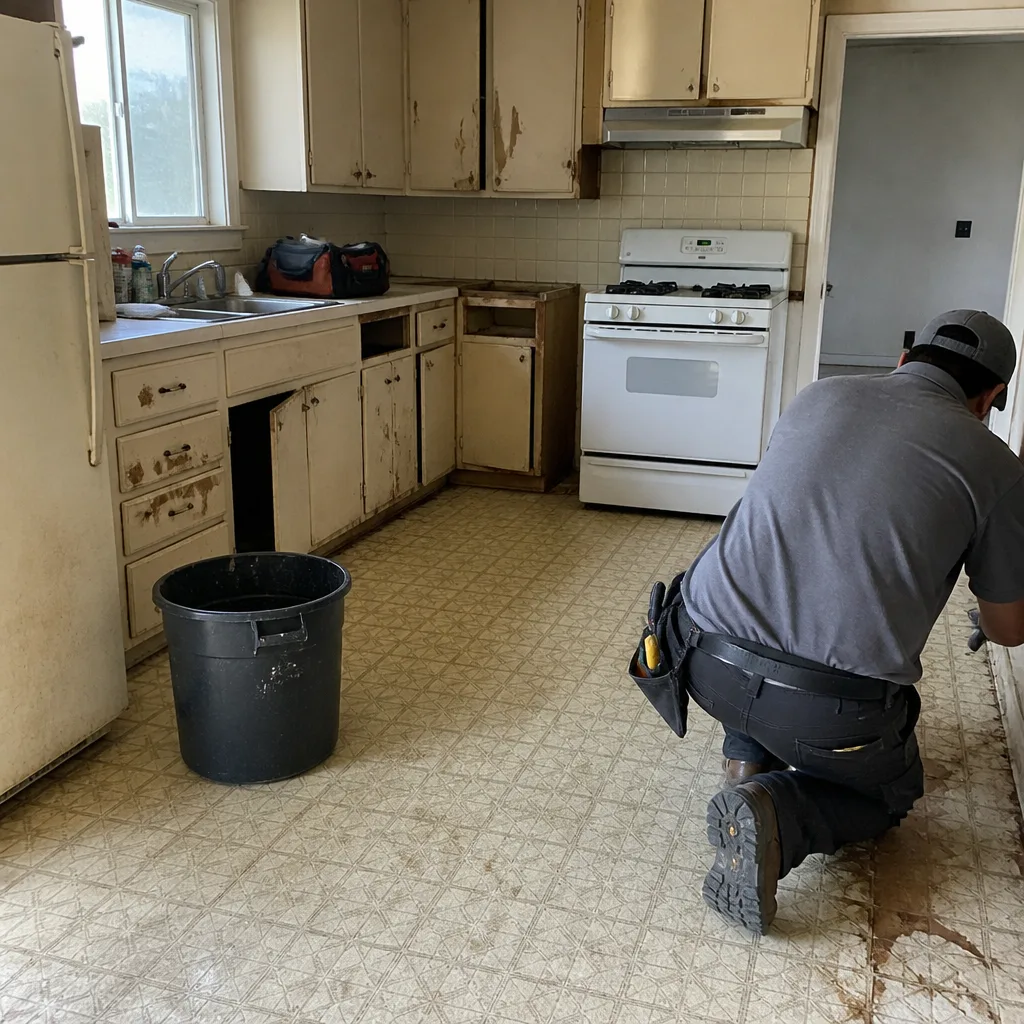 Before
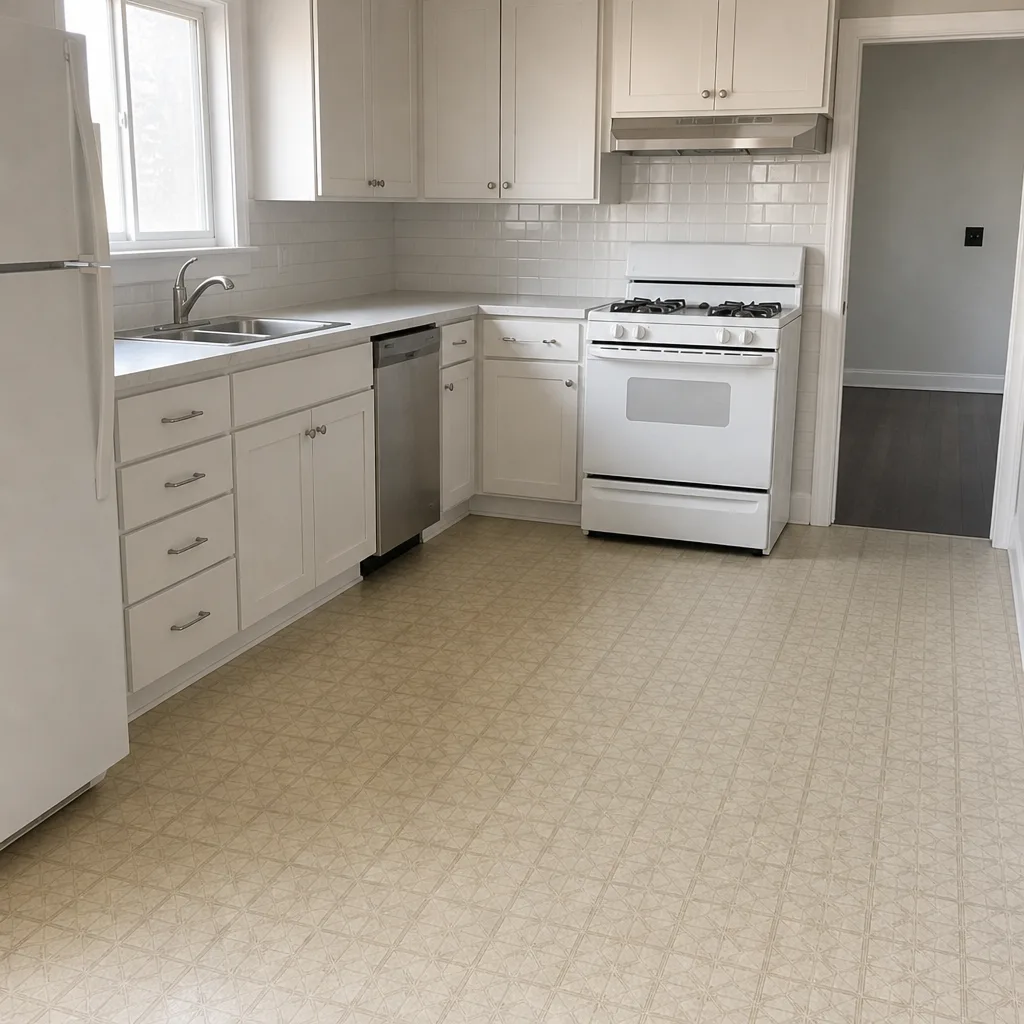 After
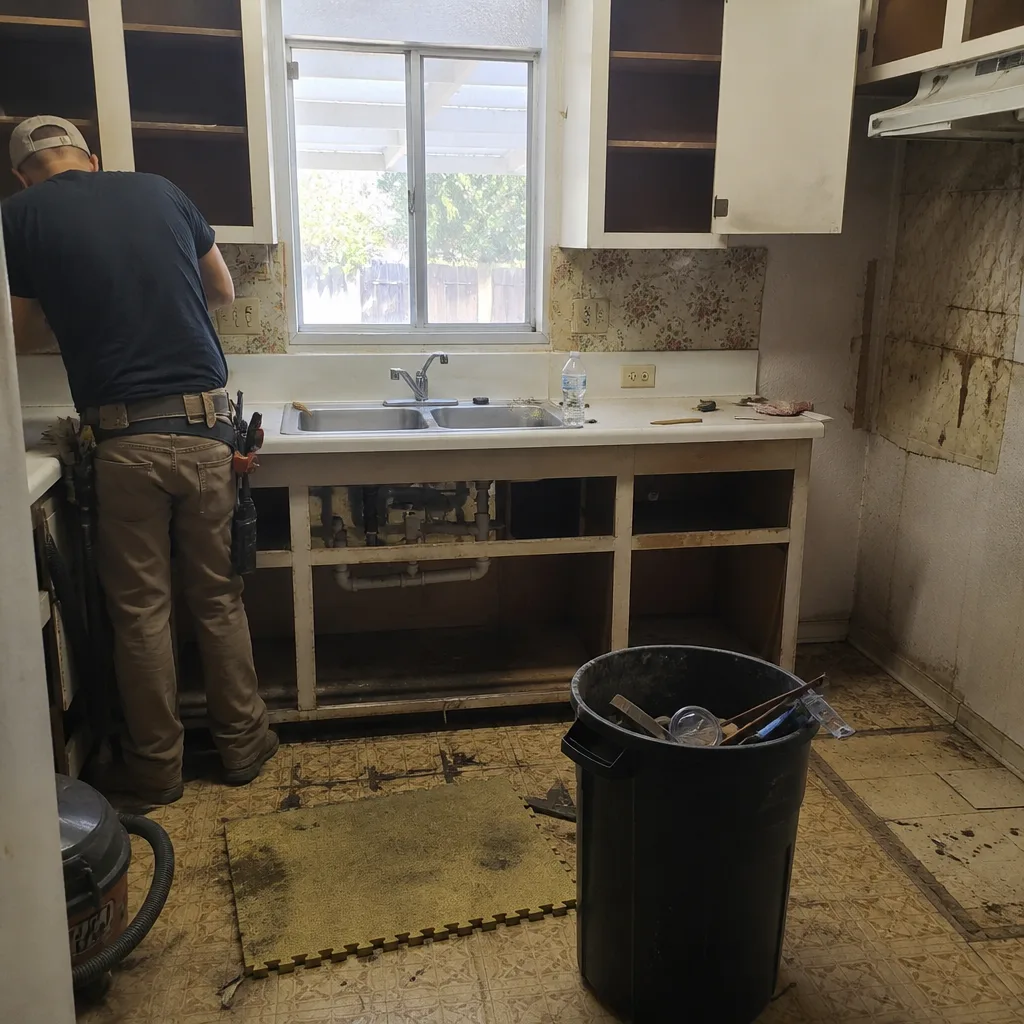 Before
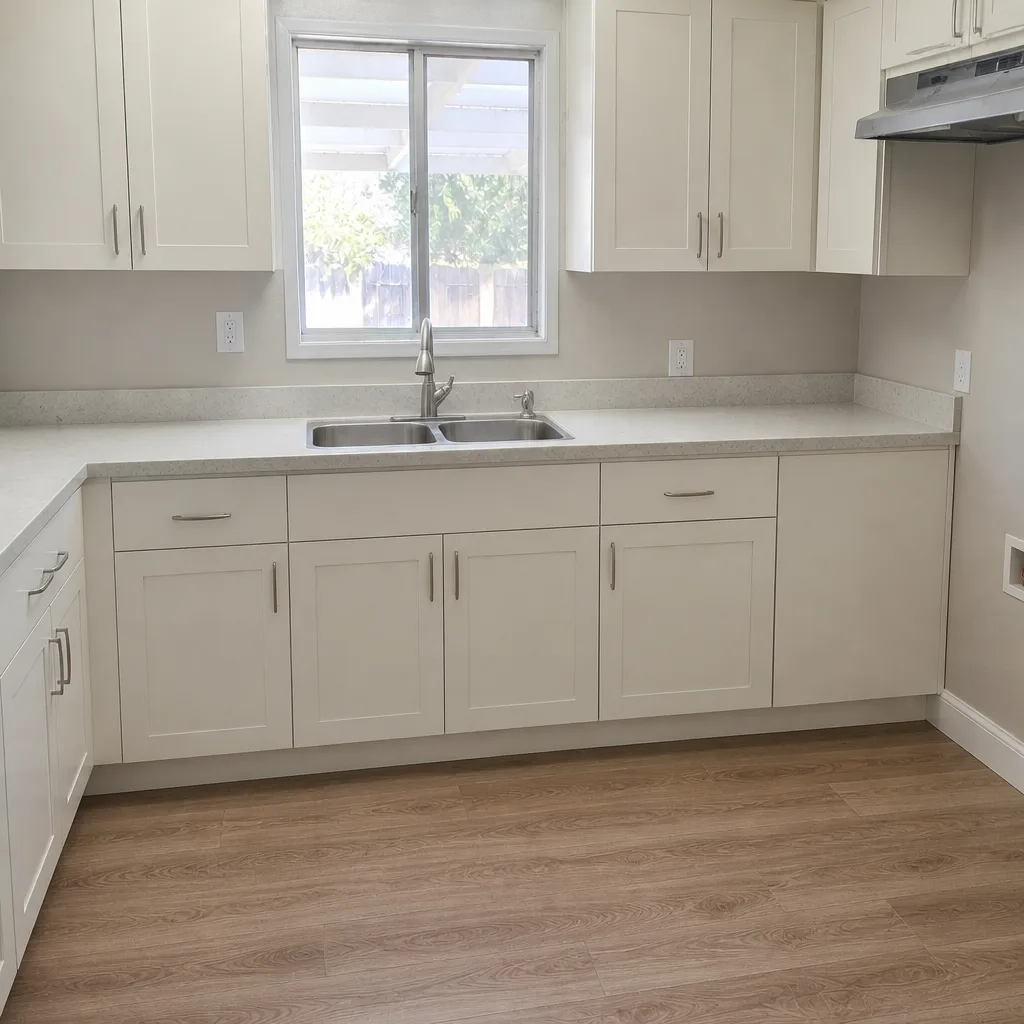 After
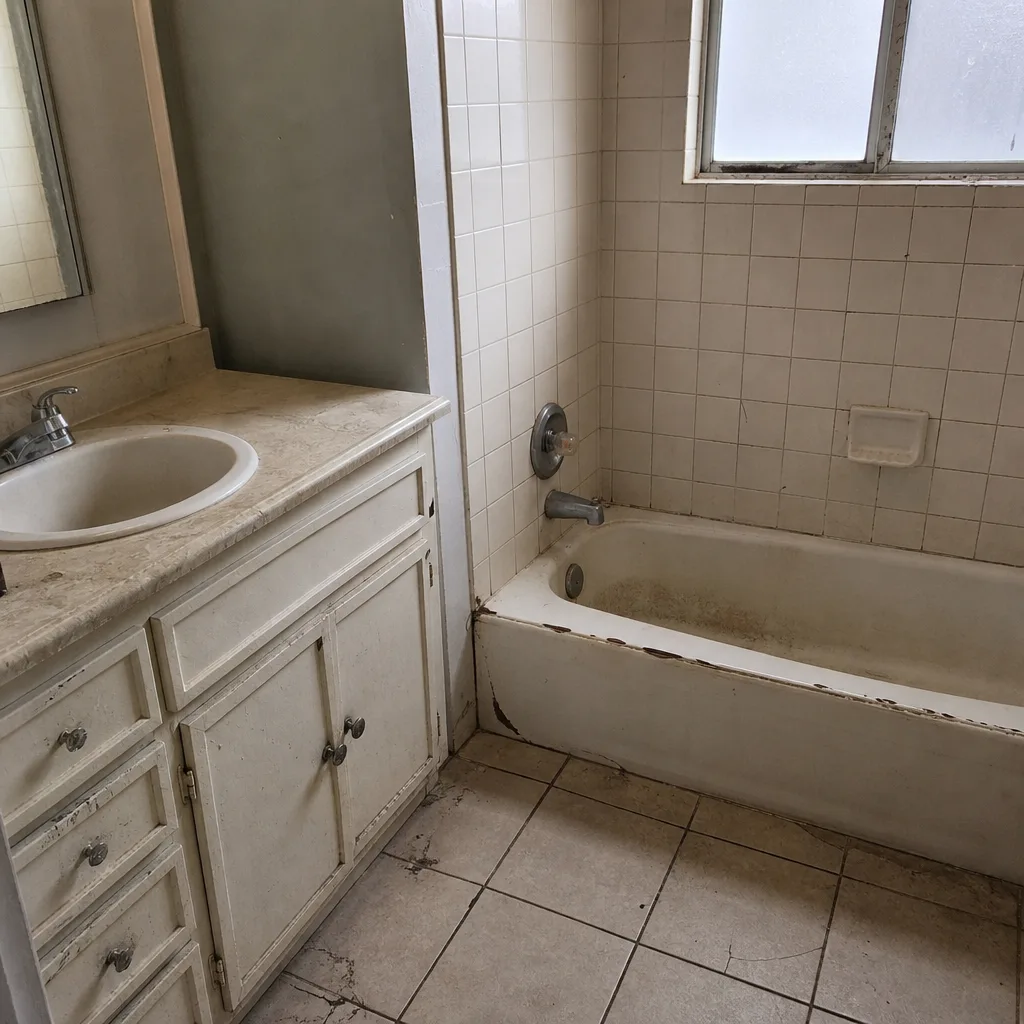 Before
 After
Frequently Asked Questions
March and April, right after the rainy season ends. That’s the only time of year when drainage, foundation perimeter, and siding issues are visible before summer dries the evidence away. Nothing else on the calendar rewards you more for showing up on time.
More often than in cooler coastal climates, because the daily thermal cycle here keeps the joints moving. Inspect every exterior joint each spring, and replace any caulk that has hardened or pulled away from the surface. A flexible, high-movement sealant will last longer than the cheap default. Call (888) 282-0741 for a free estimate on a full sealant job.
Work through the pre-wind checklist in August and September: inspect the roof perimeter and penetrations, replace failed caulk, test fence posts by hand, trim branches off the roof, and clear gutters. Secure outdoor items. Anything that feels loose in calm weather will fail in a wind event. Get repairs scheduled before the season starts, not during it. Call (888) 282-0741 for a free estimate.
Late spring through early fall, once the wind season is behind you, though roofing work depends more on the day’s conditions than the calendar. What matters most is filing permits in late fall or early winter so the project is ready to start when the weather opens. That planning step saves more time than picking the perfect month. Call (888) 282-0741 to talk through the schedule.
Yes, indirectly. Clay expands when wet and shrinks when dry, and Fairfield’s wet-then-dry pattern cycles it repeatedly. Keep water sloped away from the foundation, direct irrigation away from the walls, and have the perimeter checked each spring. A professionally installed drainage or hardscape system is what makes the difference. Call (888) 282-0741 for a free estimate.
Dimensional stability. James Hardie fiber cement resists the daily expansion and contraction that comes from Fairfield’s temperature swings better than wood, and it holds paint film longer. Wood can work, but it needs more frequent repainting to stay weathertight. We install across both, and the material choice should follow the exposure on your specific house. Call (888) 282-0741 for a free estimate.
The Bottom Line
Fairfield’s climate is not the coastal California template, and maintenance built around a San Francisco or Sacramento calendar will leave the exterior underprepared for the two events that matter most: the dry northeast winds from August through October, and the post-rain inspection window in March and April. Everything else – material selection, permit timing, interior project scheduling – sits around those two anchors. Choose materials that hold up to the daily thermal swing rather than the cheapest option, file permits in the quiet season, and treat drainage and caulk as the highest-value things on the list. Built for the long run, done once. That’s the point of a calendar, not the chores on it.
When you’re ready to get an estimate on any part of the list above, call (888) 282-0741. We answer 24/7. Fast dispatch from 7am to 7pm, Sunday through Friday. Every project starts with a free written estimate, so you know what the job costs before anything starts.
Written by the team at Construction Fairfield.