
Last updated November 17, 2026
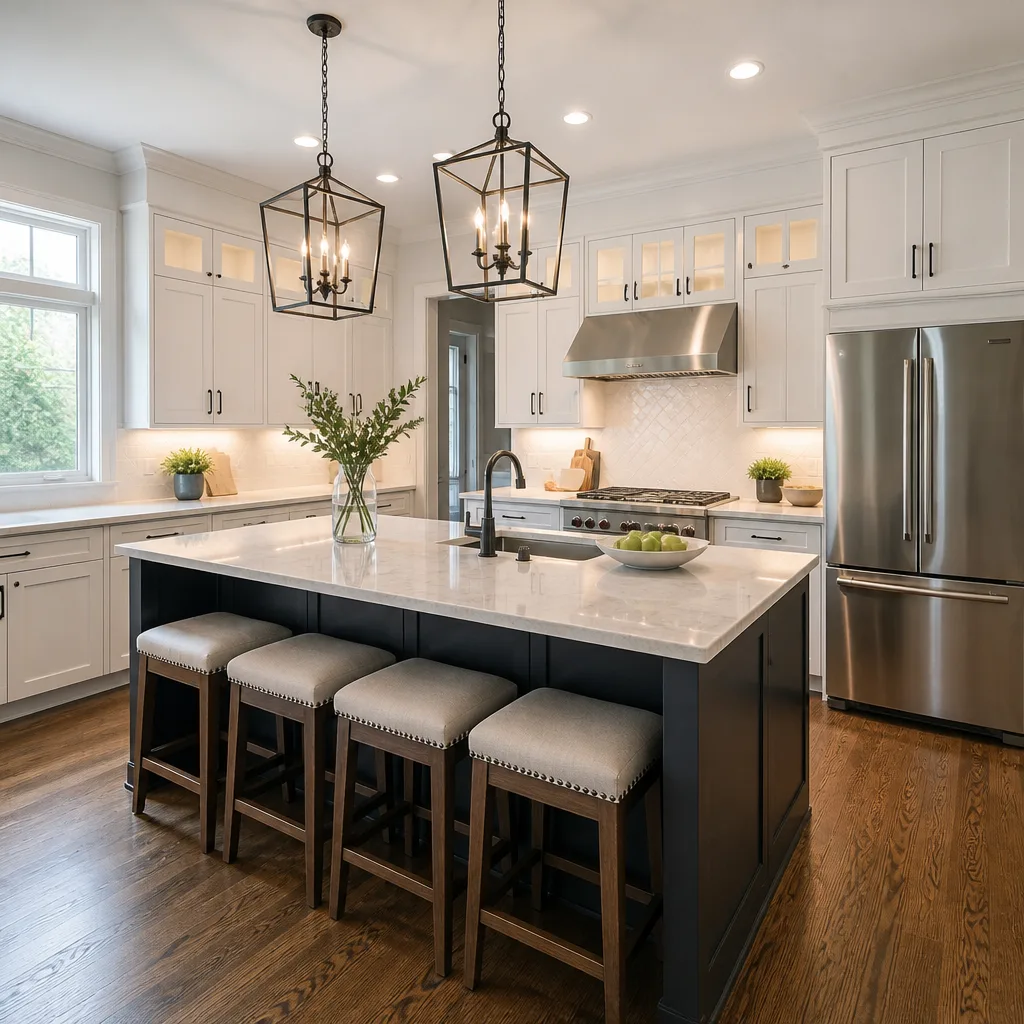 Kitchen remodeling
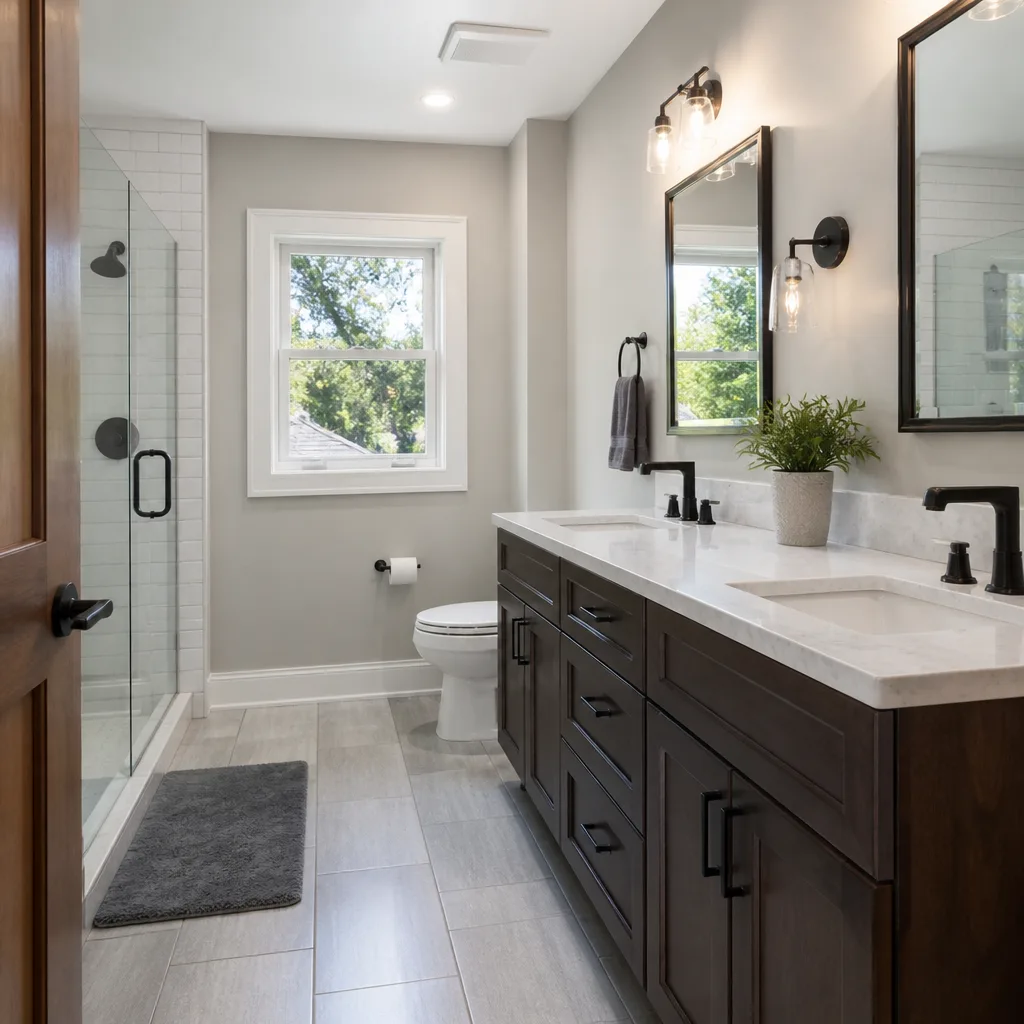 Bathroom remodeling
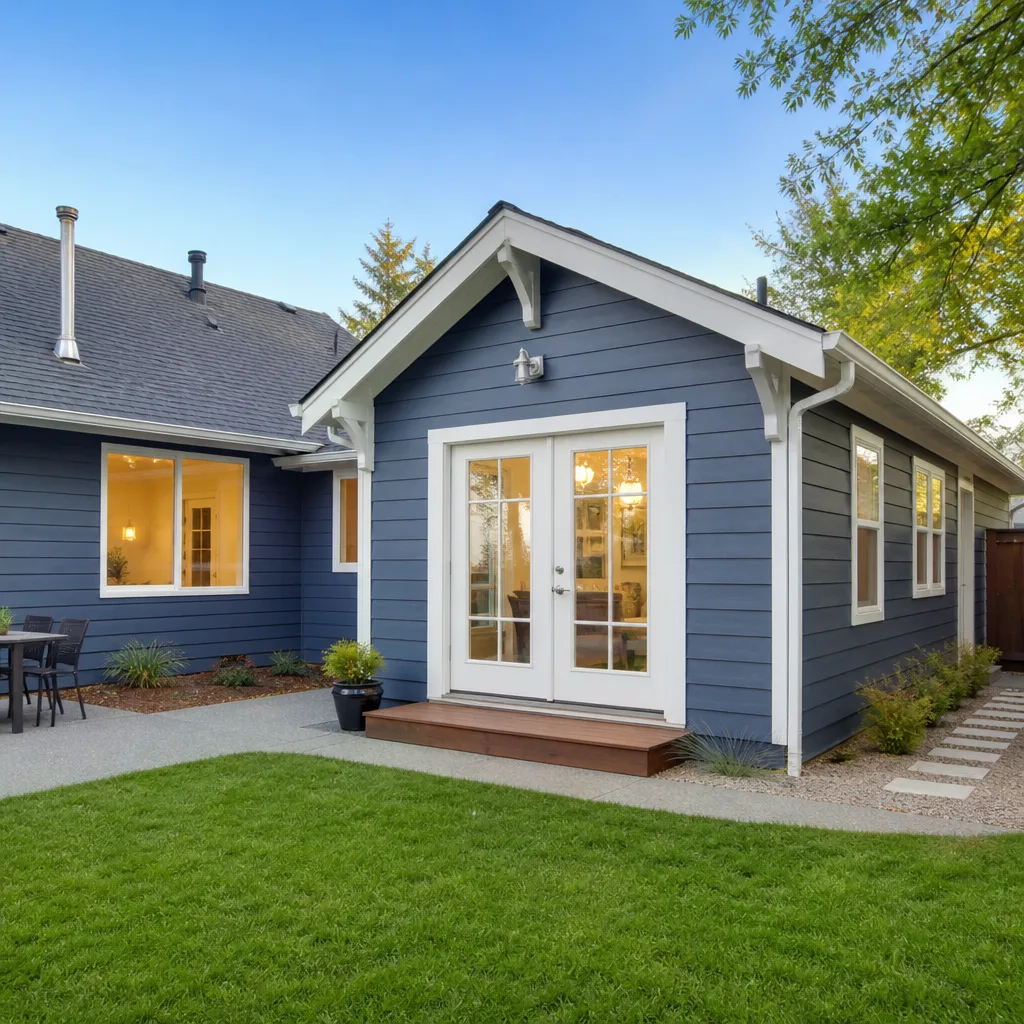 Home additions & ADU
 Roofing
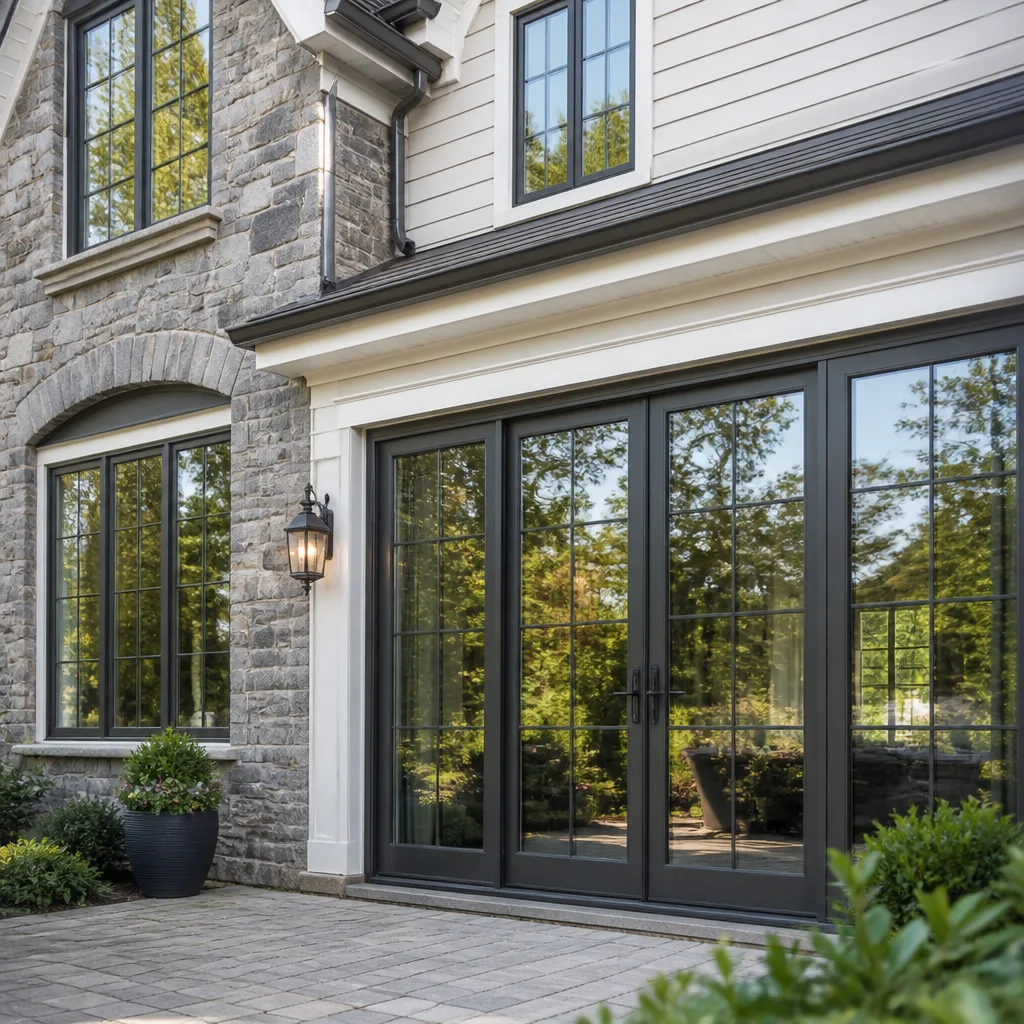 Windows & doors
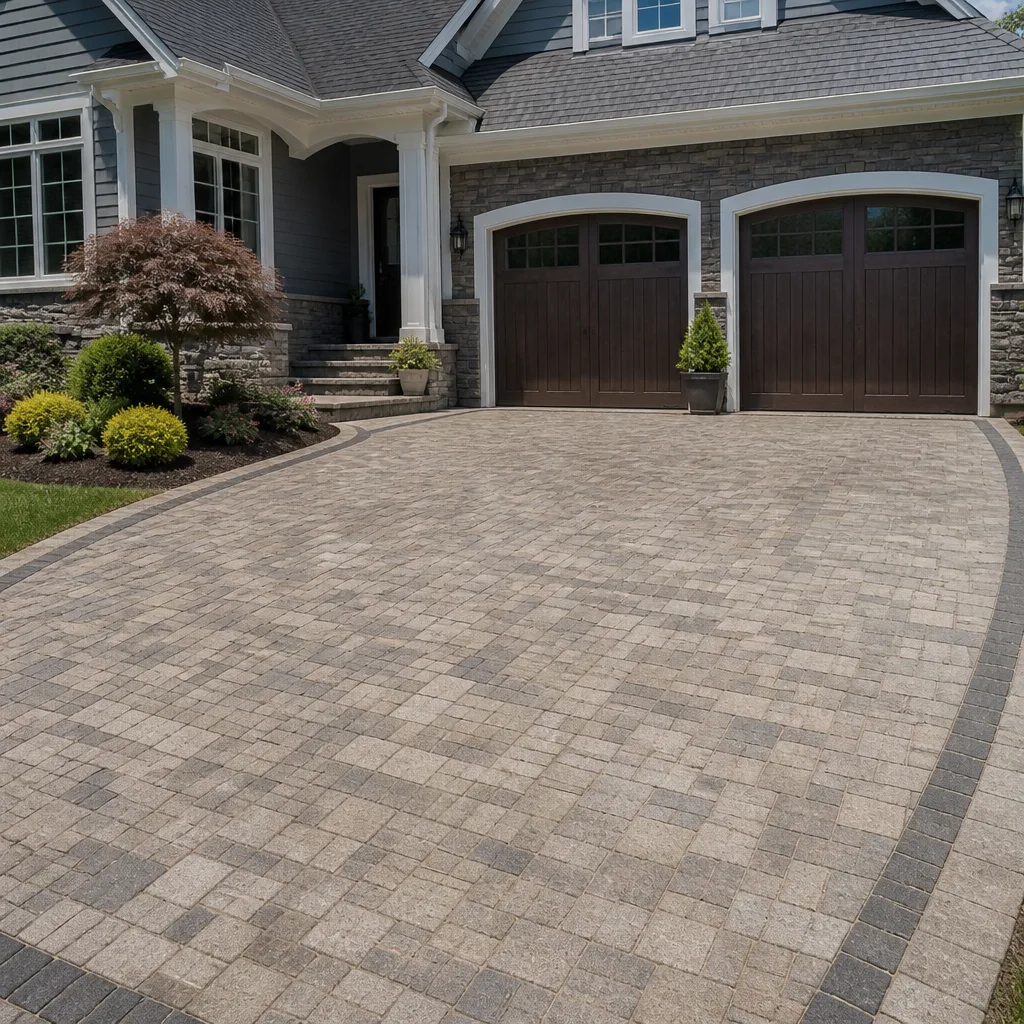 Driveway & pavers
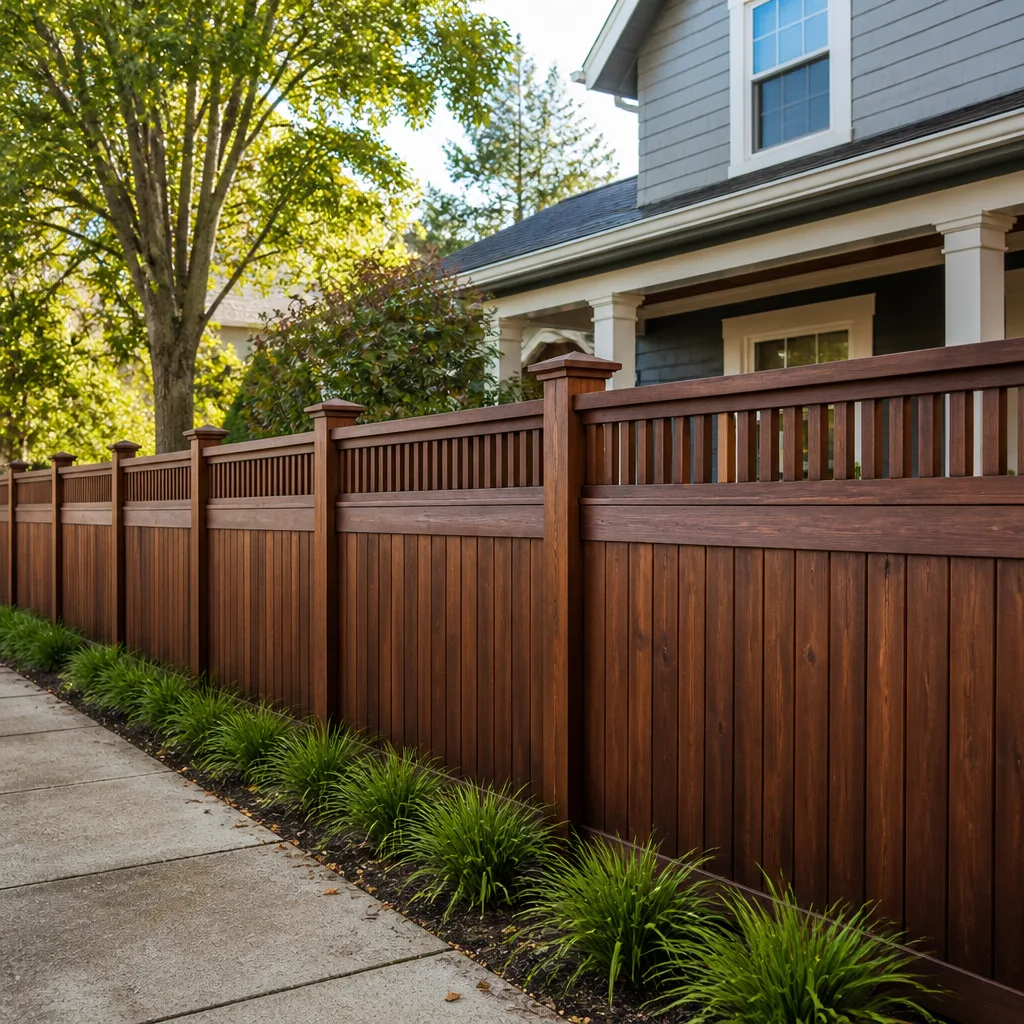 Fence
Free written scope consultation - allowances, timeline, and change-order rules on paper before a single trade is scheduled
How to Hire a Construction Contractor in Fairfield: A Step-by-Step Guide
Most homeowners start their contractor search with the CSLB license lookup, and that’s a reasonable instinct. But a license number only proves a contractor is legal to work in California. It says nothing about whether they’ve ever pulled a permit from Fairfield‘s Building Division, whether they know how the city’s third-party inspection schedule runs differently than Vallejo’s or Vacaville’s, or whether they’ve ever ordered a soil report for a lot in this county. Hiring well in Fairfield means asking questions that separate a contractor who knows this market from one who just drives through it. This guide walks you through the vetting process step by step, including the five questions most homeowners never think to ask, how to read a bid for scope gaps before you sign, and the contract clauses California residential projects need but template contracts often leave out.
Quick Answer
To hire a construction contractor in Fairfield, verify the license through the CSLB, confirm the contractor has pulled permits in Solano County, ask for local project references you can actually call, compare bids line by line for scope gaps rather than comparing bottom-line prices, and make sure your contract spells out change-order procedures, payment schedules, and lien releases. A low bid with missing line items is almost always more expensive than a complete one.
Styles & brands we work with
- Kitchen remodeling
- Bathroom remodeling
- Home additions & ADU
- Roofing
- Windows & doors
- Driveway & pavers
- Fence
Table of Contents
- Step 1: Start With the License, Not the Website
- The Five Fairfield Vetting Questions Most Homeowners Never Ask
- How to Read a Contractor’s Bid for Scope Gaps
- Single-Contractor Accountability vs. GC Plus Subcontractors
- Contract Clauses That Matter in California Residential Construction
- Red Flags Specific to the Fairfield Market
- Match the Contractor to the Project Type
- What a Realistic Hiring Timeline Looks Like
Step 1: Start With the License, Not the Website
A polished website tells you a contractor has marketing budget. The CSLB license check tells you whether they can legally contract work in California at all. Start there, before you read a single review or look at a single photo gallery.
Look up the license number on the Contractors State License Board site and confirm four things: the license is active (not expired or suspended), the classification matches your project, the business name on the license matches the name on your bid, and the license carries workers’ compensation coverage if the contractor has employees. A license can be active but have a lapsed bond or a pending complaint, so read past the status line.
Classification matters more than most homeowners realize. A Class B general building contractor can take on projects involving multiple trades. A Class C specialty license is narrower. If someone holding a specialty license bids your whole kitchen remodel, ask how they’re legally structuring the trades. If the answer gets fuzzy, that’s your first signal.
What to Have Ready Before You Call Anyone
- Your address and parcel number. You’ll need it for permit research.
- A rough scope: what you want changed, in plain terms.
- A realistic budget range, even if it’s wide.
- Any deadlines or events driving the timeline.
- A note on whether the property has had prior unpermitted work done. This comes up more than people expect in older Fairfield neighborhoods, and it changes how a contractor approaches the project.
Once the license checks out, the real vetting begins. That’s where the next section picks up.
The Five Fairfield Vetting Questions Most Homeowners Never Ask
Anyone can recite that they’re licensed, insured, and detail-oriented. These five questions are the ones that actually reveal whether a contractor has built in this market.
1. Have you pulled permits from Fairfield’s Building Division, and under what address?
Fairfield runs its own permit process through the city’s Building Division, distinct from unincorporated Solano County. A contractor who’s only worked in Vallejo or Vacaville may have never interfaced with Fairfield’s inspection schedule, plan check turnaround, or the city’s preferences on submittal packages. Ask for a permit number or an address they’ve pulled under. It’s public record, and a professional won’t flinch at the request.
2. Who are your local subcontractors, and have you worked with them more than once?
Every general contractor uses subs for trade work. The question is whether those subs are established relationships or names pulled from a directory that morning. A contractor who can name their electrician, plumber, and drywall crew and describe how many projects they’ve done together is telling you something about how the job will actually go. Strangers on your site make mistakes.
3. Have you ordered soil reports for lots in this county, and what did they find?
Fairfield’s terrain varies block to block, from flatter lots near the commercial corridors to sloped sites with expansive clay soils in certain pockets. Foundation work, additions, and ADU builds all depend on what’s actually under the soil. A contractor who hasn’t ordered geotechnical reports here is a contractor who may not know what they’re building on until it’s time to pour.
4. What does your change-order process look like in writing?
Ask to see a blank change-order form. A serious contractor has one, uses it on every job, and provides a copy with the contract. A contractor who says “we’ll just sort it out as we go” has told you everything about how the budget will behave.
5. Can I speak to a Solano County client whose project resembles mine?
References from another state or a different part of California are less useful than a reference from a project in Fairfield, Suisun City, or Vacaville. Ask specifically for a reference whose project scope matches yours. A roofing client is not the right reference for a bathroom remodel.
Ask these five questions on the first call or in the first meeting. How a contractor answers tells you more than what they answer.
How to Read a Contractor’s Bid for Scope Gaps
A bid is not a price. It’s a scope document with a number attached. Comparing bids by their total is the fastest way to hire wrong. Compare the line items instead.
Line Items That Are Almost Always Missing from Low Bids
- Permit fees and plan check. Some bids fold them in; many don’t. Ask directly whether permit costs are included or passed through.
- Demolition and haul-off. Tearing out a kitchen, bathroom, or roofing system generates debris. Disposal and dumpster costs are common omissions.
- Subfloor or structural repair allowances. Nobody knows what’s behind a wall until it opens. A bid that assumes no surprises has either padded elsewhere or is planning to come back and ask for more.
- Paint and finish patching. Drywall goes up; who finishes and paints it? “Painting by others” is a phrase worth noticing.
- Final cleaning. Sounds small, but the difference between a walkthrough-ready project and a dusty one is often a budgeted line.
- Temporary protection. Floor coverings, dust barriers, and window protection during the work.
- Fixture rough-in vs. fixture supply. Some bids include installing your fixtures; some include buying them too. Be sure which.
How to Structure the Comparison
- Lay both bids side by side, line by line.
- Mark any line item present in one and absent in the other.
- Get the contractor with the gap to add the missing items in writing.
- Re-compare totals after both bids cover the same scope.
- Ask about the bid’s contingency line. A complete bid usually includes some allowance for unknown conditions.
When bids are adjusted to the same scope, the price gap almost always shrinks. That’s the point of the exercise. You’re not shopping for the cheapest number. You’re shopping for the bid that tells you the truth about the project. Construction Fairfield provides written line-item estimates for every project for this reason. The estimate is the document that sets the final price, so it needs to be honest about the scope from the beginning.
Single-Contractor Accountability vs. GC Plus Subcontractors
There are two models for larger residential work, and they behave very differently when something goes wrong.
In the traditional model, a general contractor coordinates the work and hires subcontractors to perform it. Your relationship is with the GC, but on many days the people in your house are trades working for someone else. If a leak appears weeks after the tile goes up, you’re describing the problem to the GC, who then has a conversation with the sub, who may or may not agree.
In the single-contractor model, one company is accountable for the entire scope, from the driveway to the roofline. If your Construction Fairfield project puts pavers in front and roofing up top, and the transition between them creates an issue, there’s one call. One warranty conversation. One party responsible for making it right.
What Single-Contractor Accountability Changes for You
- One warranty document instead of three or four.
- One change-order process, not one per sub.
- One scheduling conversation rather than a chain of coordination calls.
- One point of contact for permit issues if an inspection finds something.
- One party reading the full scope, so trade handoffs actually happen.
Single-contractor doesn’t mean one person moves your house. It means one party signs for the outcome. For a bathroom remodel, that accountability matters. For a project that spans structure and finish, like a home addition or ADU, it matters much more. That’s a big part of why we’ve built Construction Fairfield around the full scope of residential work, from home additions & ADU down to the paver walkway, so the homeowner doesn’t have to assemble a project team on their own.
Contract Clauses That Matter in California Residential Construction
Many residential contracts are ordered from a template. Templates tend to leave out the clauses that matter when a project goes sideways. Read yours for the following, and don’t sign until they’re present or you fully understand the omission.
- Detailed scope of work. Not “remodel kitchen” but a full specification: cabinet brands and lines, countertop material and edge profile, appliance allowances, tile sizes, plumbing fixture brands. Specificity in the contract protects both parties. A well-written scope might name KraftMaid for the cabinets, Cambria or Silestone for the counters, and Kohler or Moen for the fixtures, so there’s no ambiguity later.
- Change-order procedure. Who initiates, in what form (written), how pricing is agreed, how long the owner has to approve or reject, and how the change affects the timeline.
- Payment schedule tied to milestones. California limits the deposit a contractor can collect on most residential work. You want payments tied to completed phases, not to elapsed time.
- Lien releases. California’s mechanics lien rules mean unpaid subs can file against your property. Your contract should require conditional lien releases at each payment and a final unconditional release at completion.
- Warranty terms. Scope, duration, and what the warranty does and doesn’t cover. Manufacturer warranties (Cambria’s own quartz warranty, GAF’s roofing warranty, James Hardie’s siding warranty, for example) are separate from the contractor’s workmanship warranty. Both should be spelled out.
- Dispute resolution. Mediation and arbitration clauses should be readable, not just present.
- Termination clause. How either party can end the contract and what happens to work in progress.
- Right to a written contract. California requires specific contract language for many residential projects. If your contractor hands you a one-page proposal and calls it a contract, ask for the full document.
Brand partnerships enter the contract here. When your proposal names specific manufacturers like KraftMaid or Wellborn for cabinetry, GAF or CertainTeed for roofing, or Belgard or Techo-Bloc for hardscape, the specification becomes enforceable. Names carry warranty, availability, and installation standards. That’s the benefit of working with a contractor who has standing relationships with those manufacturers.
Red Flags Specific to the Fairfield Market
Some warning signs are universal. Others show up in this region more than elsewhere. Be alert to:
Unlicensed Subcontractors on Site
Ask who’s coming to your project and verify each trade. Any crew performing work over the CSLB threshold should be licensed. This is your best defense against later surprises on your homeowner’s insurance and against lien claims.
Verbal Change Orders
“We’ll just add it to the total” is the beginning of a fight. Every scope change, even small, belongs in writing. A contractor who resists writing down changes is telling you how they plan to handle the budget.
No Solano County Project References
A contractor who can’t put you in touch with a Fairfield, Suisun City, or Vacaville reference from a similar project is either new to the area or their references don’t hold up. Either way, keep asking.
Pressure to Sign “Today”
Real contractors have full schedules. Nobody legitimate needs your signature by close of business. Pressure tactics are one of the oldest red flags in the trade.
Bids Without a Scope Document
A single-page proposal that says “kitchen remodel – $X” is not a bid. It’s a number. Without a scope, you have no way to compare, no way to hold the contractor to a quality standard, and no way to argue when substitutions appear.
No Permit Mention
Fairfield requires permits for most structural and trade work. A contractor who suggests skipping permits “to keep it simple” is moving the risk onto you, your insurance, and your resale.
Deposit Above What California Allows
State law limits residential deposits on most projects. If the request doesn’t match the rule, walk.
Match the Contractor to the Project Type
The right contractor for a driveway isn’t necessarily the right contractor for a kitchen. Match the skills, the manufacturer relationships, and the accountability model to what you’re actually building.
Exterior Projects
Pavers, fences, and roofing each run on materials knowledge. For driveway & pavers, ask which paver manufacturers the contractor installs and whether they can speak to base preparation and drainage. For fence installation, ask whether the fence system comes from a recognized manufacturer (Barrette, Master Halco, Ameristar, Bufftech, Jerith, and ActiveYards all make products worth specifying) and how they handle boundary lines and permits. For roofing, brand partnerships with GAF, CertainTeed, Owens Corning, IKO, Atlas, Tamko, and Boral affect both installation standards and warranty coverage.
Interior Projects
Bathrooms and kitchens live on materials and detail. Cabinet lines (KraftMaid, Wellborn) and countertop surfaces (Cambria, Silestone, Caesarstone) are brands with their own warranty and service programs. Plumbing fixtures span a wide range, from Kohler and Grohe at one end to Moen and American Standard at the other, and a contractor fluent in that range can help you make choices that fit your budget without compromising installation quality. Ask whether the contractor is familiar with specific brands, and if they aren’t, ask how they plan to handle warranty claims if something goes wrong.
Structural and Addition Work
Home additions and ADUs are a different category. They involve structural engineering, permitting, and often a decision between site-built and prefabricated construction. Prefab and modular options from brands like Abodu, Dvele, Mighty Buildings, and Boxabl can shorten the schedule and reduce site disruption, but only when the contractor understands permitting for both paths. Ask any addition contractor to walk you through their permit process, their civil and structural engineer relationships, and their experience with the specific approval path for your lot.
What a Realistic Hiring Timeline Looks Like
Hiring a contractor for a real project is a weeks-long process, not a weekend one. Here’s what to expect for a project of meaningful scope.
- Week 1: Define the scope. Write out what you want in plain terms. Collect inspiration, note brands you care about, and settle on a budget range.
- Week 2: Build a shortlist. Verify licenses for three contractors. Ask each the five Fairfield vetting questions before scheduling anything on-site.
- Week 3-4: On-site walkthroughs and bids. Expect two to four weeks from walkthrough to a written bid for anything bigger than a cosmetic refresh. Fast bids on complex work are a warning sign.
- Week 5: Compare bids by scope. Adjust for missing line items, ask follow-ups in writing, and re-compare.
- Week 6: Contract review. Read the contract with the clause list above open. Ask for clarification on anything you don’t understand. Get the warranty terms in writing.
- Week 7: Permits and scheduling. Depending on scope, Fairfield’s Building Division will need plan review. Your contractor should be handling the submittal and interface with the inspection process.
Rushing the front half of the process is the most reliable way to have a bad back half. A well-scoped project moves faster at the end because it was properly set up at the beginning. Our technicians have up to 14 years of experience, and the job reports that matter most are the ones from projects that were scoped carefully before the first saw cut.
Common Mistakes to Avoid
- Comparing bids by total price. Two bids aren’t comparable until they cover the same scope. A bid without permits, demolition, or painting is cheaper for a reason, and it’s a reason that will come back.
- Not asking for a permit history. Fairfield runs its own permitting process separate from the surrounding county. A contractor who’s never pulled a permit here may not understand the local inspection schedule and plan review timelines.
- Skipping references in Solano County. A reference from another region tells you the contractor can write a contract. A reference from a Fairfield project tells you they can deliver in your inspection pipeline with your local subs.
- Accepting verbal change orders. Every change needs a signature and a number. There’s no such thing as a small verbal change when it becomes a dispute.
- Ignoring the contract’s warranty section. Manufacturer warranty and contractor warranty are separate documents. You want both, and you want to understand what triggers each.
- Assuming all crews are licensed. Ask who’s coming on-site and verify each trade’s license. The best license in the office doesn’t protect you from an unlicensed sub with a ladder.
- Letting a project start without a written scope. If the proposal doesn’t name the cabinets, the counters, the roofing system, and the fixture brands, expect substitutions during the build.
See the difference
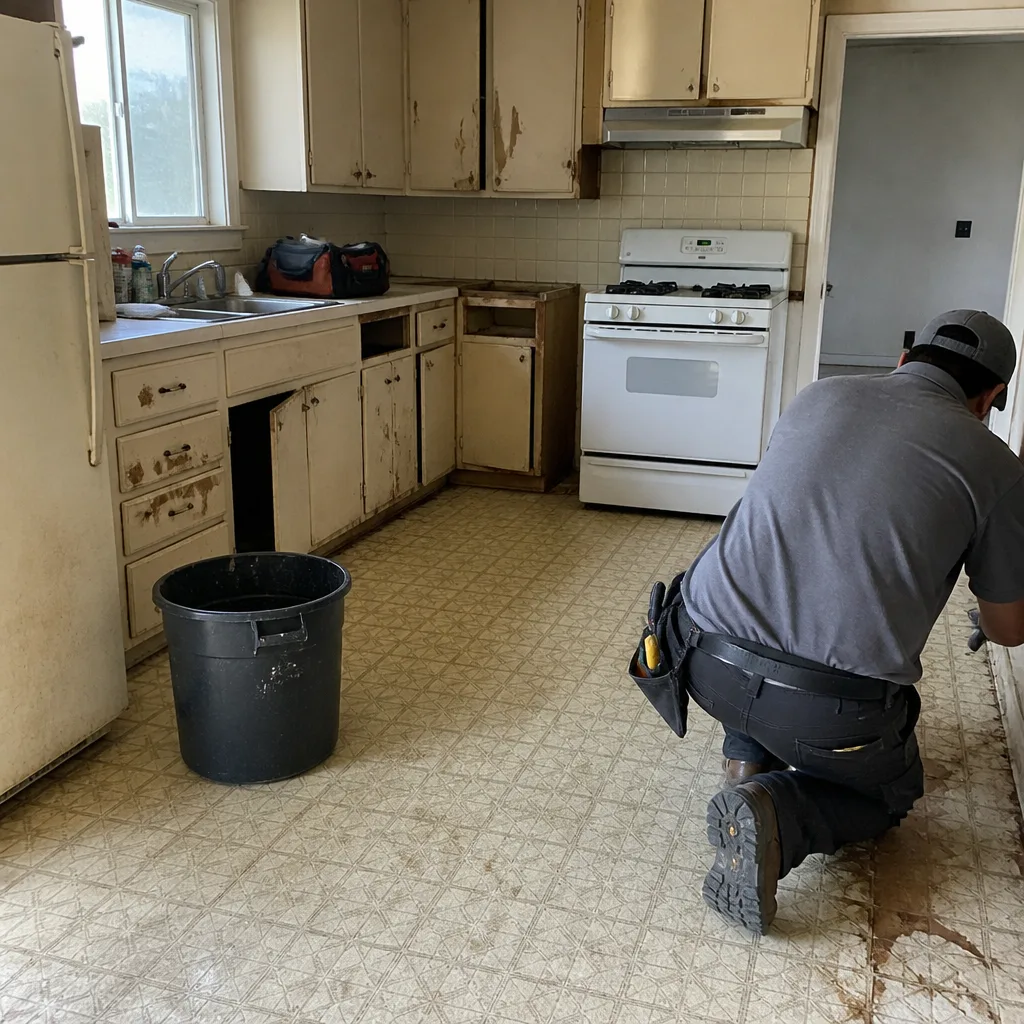 Before
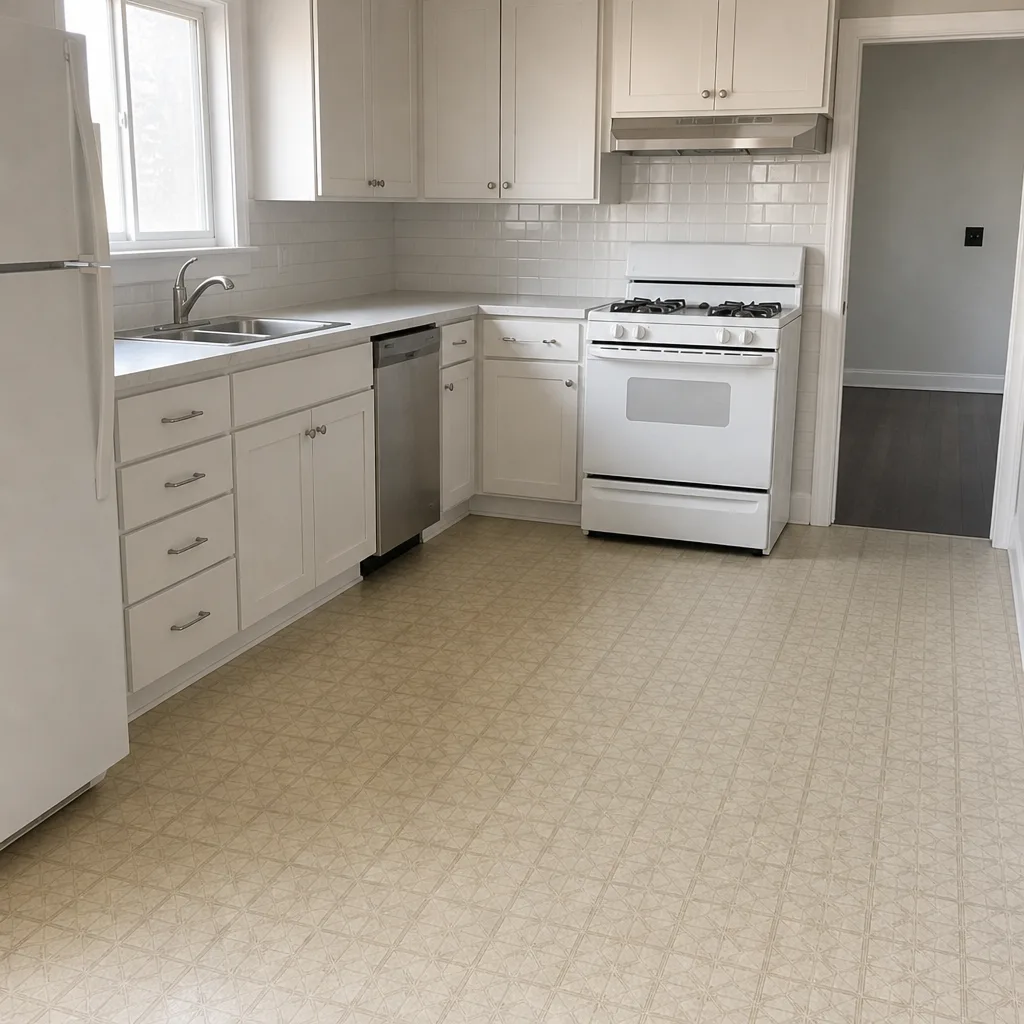 After
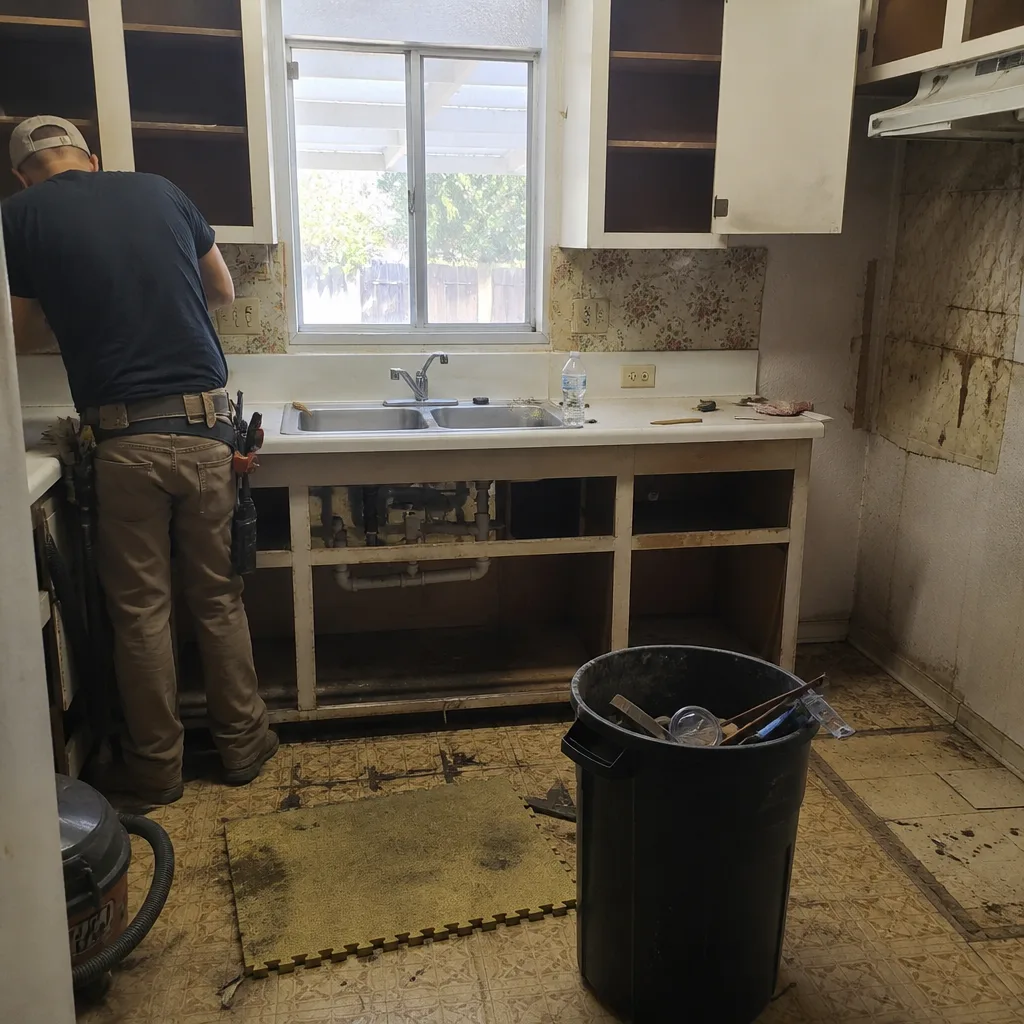 Before
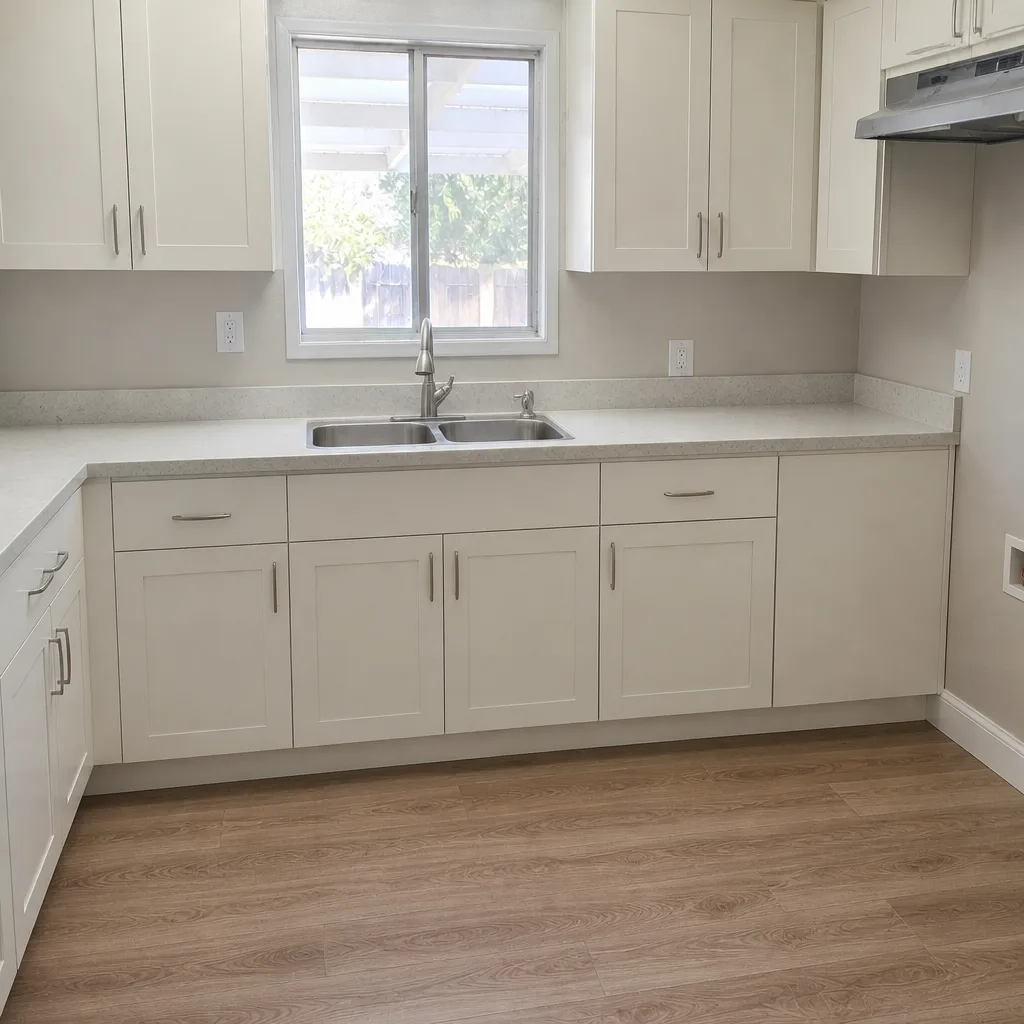 After
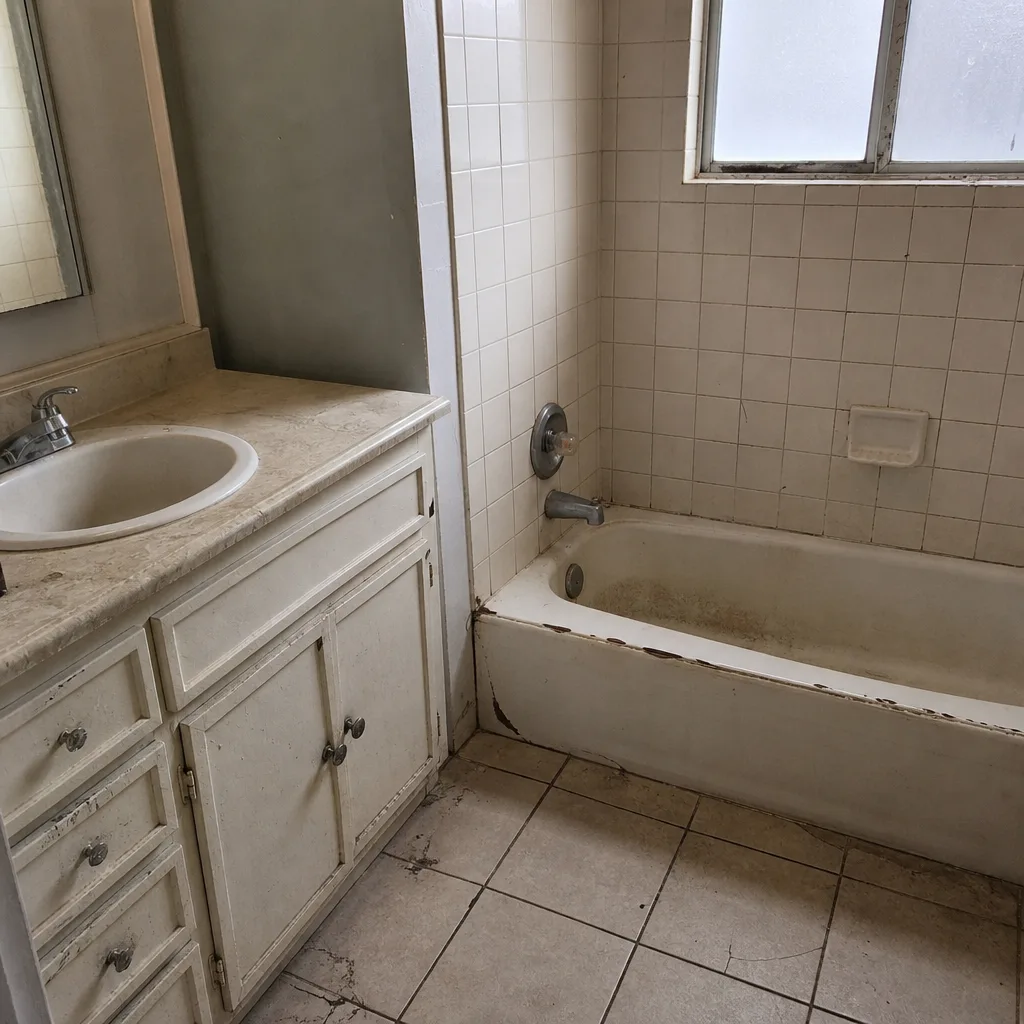 Before
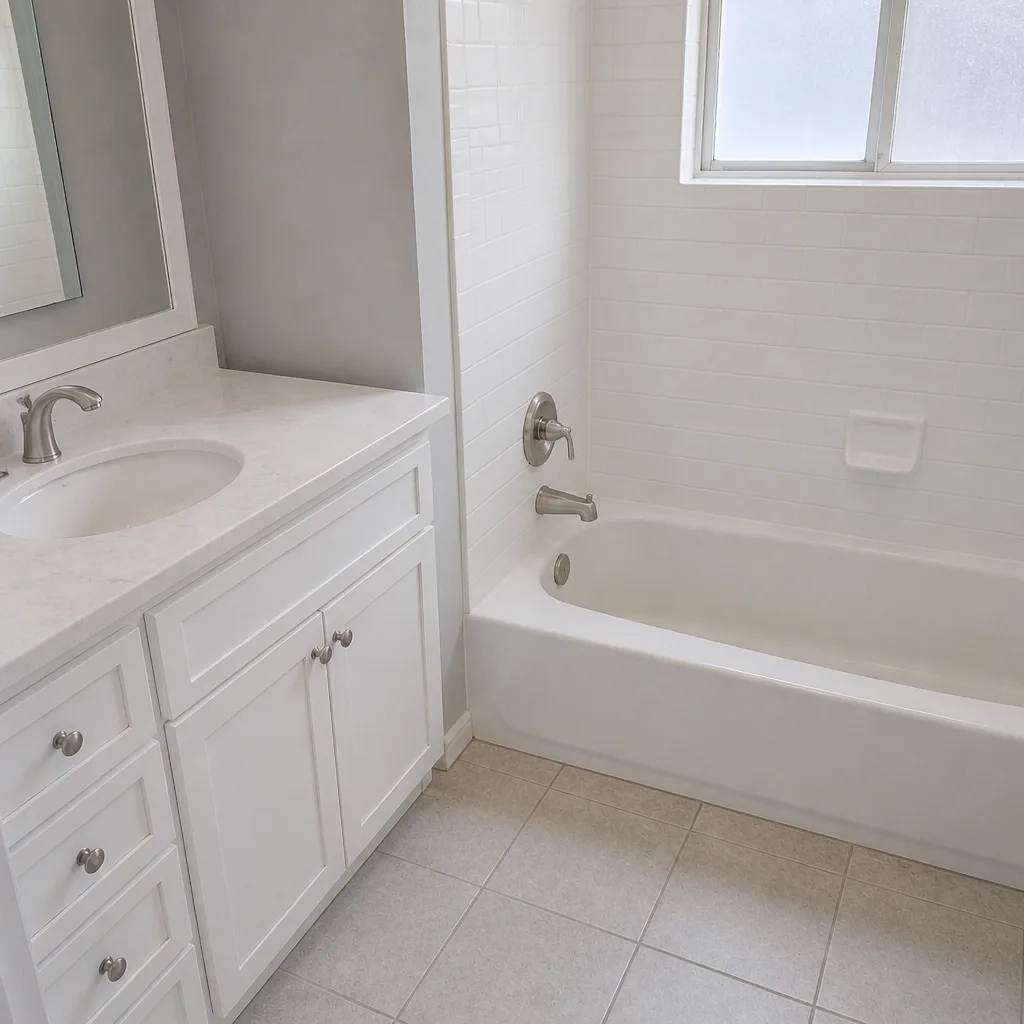 After
When to Call a Professional
Some work belongs in a homeowner’s hands: painting a bedroom, swapping a faucet, patching drywall. Other work belongs with a licensed contractor, no matter how confident you feel. Structural modifications, any electrical work beyond swapping a fixture, gas line changes, roof replacements, and anything requiring a permit should bring a professional to your door. Roofing and second-story exterior work in particular carry fall hazards that no YouTube video can prepare you for. Electrical and gas work carry fire and health risks that no amount of caution compensates for. When a project touches a permit, plan review, or the structural system of the house, the cost of doing it wrong dwarfs the cost of doing it right the first time.
Construction Fairfield offers free estimates in Fairfield. Call (888) 282-0741 to schedule yours. The estimate is line-item and written, and the final price is set by that estimate.
Frequently Asked Questions
Costs vary widely with scope and material choices, so there’s no single Fairfield number. The right way to price a project is with a line-item estimate based on your specific scope. Call (888) 282-0741 to schedule a free estimate.
Most structural, electrical, plumbing, and mechanical work in Fairfield requires a permit through the city’s Building Division. The best way to know is to ask your contractor or the Building Division directly before work begins. Skip the permit and you put your resale and insurance at risk.
Look up the contractor’s license number on the Contractors State License Board website. Confirm the license is active, the classification matches your project, and the business name matches your bid.
A general contractor coordinates multiple subcontractors, and you may relate to each of them. A single-contractor model makes one company accountable for the full scope, from design through finish. When something goes wrong, there’s one party to call and one warranty to enforce.
You should. Local references tell you how a contractor performs under the local permit and inspection pipeline, and with their Solano County trades. Ask for a reference from a project similar to yours, not just any past client.
At minimum, a detailed scope of work, change-order procedure, payment schedule tied to milestones, lien release requirements, warranty terms (manufacturer and workmanship), dispute resolution, and termination clause. If any of those are missing, ask before signing.
A realistic minimum is several weeks from first walkthrough to permit approval for a mid-size project. Larger work, including additions and ADUs, takes longer because of engineering and plan review. Rushing this phase is the most common source of delays downstream.
Your contractor should handle permit submittal and interface with Fairfield’s inspection process on your behalf. If they want you to pull the permit as the homeowner, ask why. That request shifts responsibility to you.
The Bottom Line
Hiring a contractor in Fairfield comes down to a few disciplined moves: verify the license, ask the five local questions, compare bids by scope not total, insist on single contractor accountability for the full job, and read the contract with an eye for the clauses that get left out of templates. Every step exists to catch problems before they’re expensive. A contractor who welcomes those questions and hands you a line-item written estimate is showing you exactly how they’ll behave during the build. Start with a call to Construction Fairfield at (888) 282-0741 for a free estimate. We answer 24/7. Fast dispatch from 7am to 7pm, Sunday through Friday.
Written by the team at Construction Fairfield.