
Last updated November 17, 2026
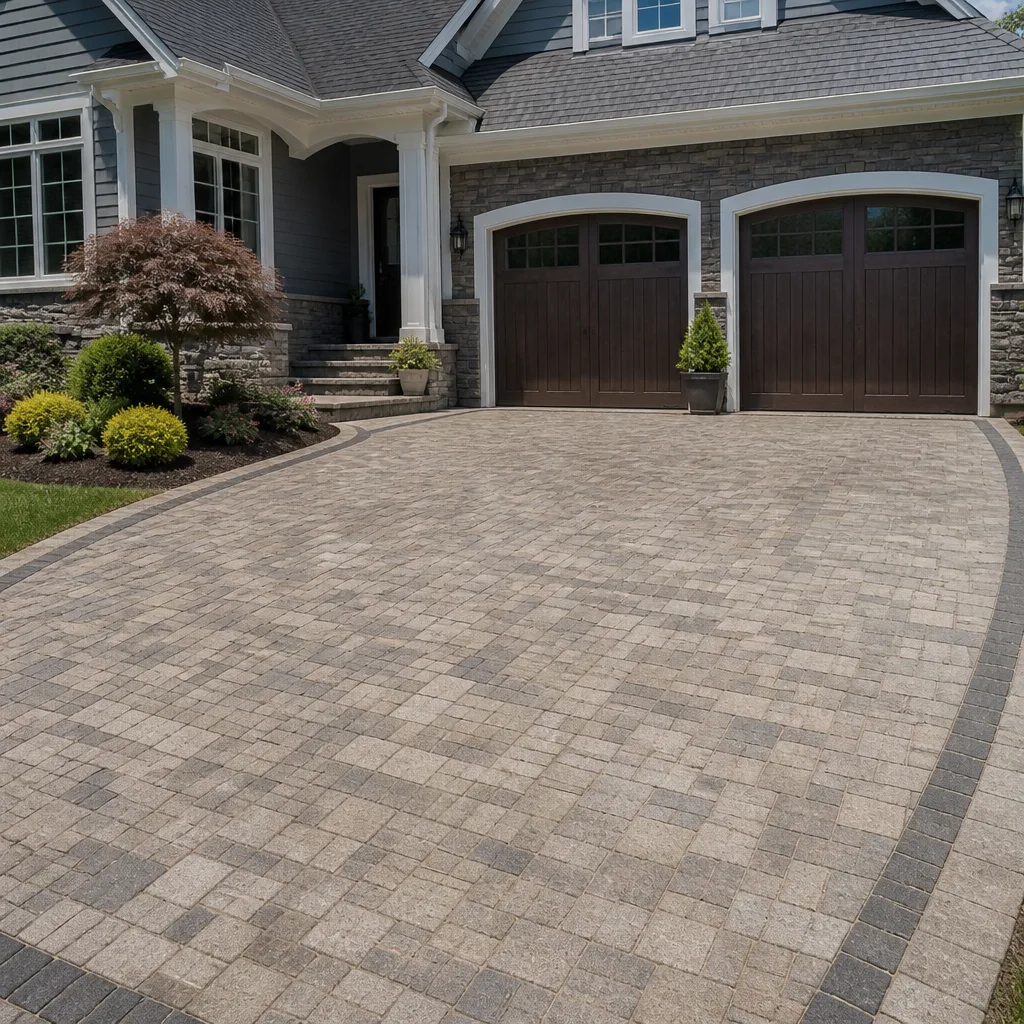 Driveway & pavers
 Kitchen remodeling
 Bathroom remodeling
 Home additions & ADU
 Roofing
 Windows & doors
 Fence
Free written scope consultation - allowances, timeline, and change-order rules on paper before a single trade is scheduled
The Complete Driveway & Pavers Guide for Fairfield Homeowners
Most California driveway guides are written for coastal clay or desert sand. Fairfield sits in a Sacramento Valley microclimate where expansive Yolo and Solano County soils can heave a paver field in a single wet season if the base isn’t engineered for it. That’s the part generic guides skip, and it’s the part that decides whether your driveway looks the same in ten years as it did the week it was finished. This guide covers base depth built for local soil, how concrete, natural stone, travertine and porcelain actually perform through Fairfield’s wet winters and hot, dry summers, when the City of Fairfield wants a permit, and how to sequence a project around the rainy season. Read it before you take a single bid.
Quick Answer
Driveway pavers in Fairfield need a compacted aggregate base of 8 to 12 inches – deeper than the 4 to 6 inches most national guides cite – because the expansive clay soils across this part of Solano County move with moisture. Concrete pavers and natural stone handle the local seasonal swing best, polymeric sand is the right joint fill for summer heat above 95°F, and most full driveway projects take two to three weeks from demolition to sealed surface. Plan the work between April and October so the base and joints cure before the November-through-March rain arrives.
Styles & brands we work with
- Kitchen remodeling
- Bathroom remodeling
- Home additions & ADU
- Roofing
- Windows & doors
- Driveway & pavers
- Fence
Table of Contents
- Why Fairfield Soil Changes the Base Depth
- Choosing Paver Material for Fairfield Weather
- Permits, HOA Rules, and What Triggers Them
- Polymeric Sand vs. Standard Jointing Sand
- Full Project Timeline: Demo to Sealed Surface
- What Pavers Cost in Fairfield
- Planning Around the Rainy Season Window
- Common Mistakes to Avoid
Why Fairfield Soil Changes the Base Depth
The single biggest difference between a paver driveway that holds its grade and one that ripples after the first wet winter is what’s under it. Fairfield sits on soils that expand when they take on water and shrink as they dry, and the annual swing between a soaked winter and a bone-dry summer is exactly the cycle that works that movement into a driveway. A paver surface is only as flat as the base it sits on.
National guides usually specify 4 to 6 inches of compacted aggregate base. That figure assumes stable, well-draining subgrade. On the expansive clay common across Fairfield, we plan for 8 to 12 inches of properly graded, compacted base, built up in lifts and compacted between each one. Going deeper costs more up front. It’s also the difference between a driveway that tracks true for a decade and one that needs re-leveling in two years.
Three things have to happen before the pavers go down:
- Excavation to full depth. The existing soil comes out to the depth the engineered base requires, not to whatever depth the old concrete sat at.
- Subgrade preparation and drainage. The exposed soil is graded to shed water away from the house and garage, and any soft spots are removed rather than covered over.
- Compaction in lifts. Aggregate goes in layers of a few inches at a time, each one compacted before the next, because a single thick pour won’t reach density at depth.
If a contractor quotes you a paver driveway without talking about your specific soil and drainage, that’s your cue to ask harder questions. Our technicians have up to 14 years of experience, and the soil conversation is always where we start. You can read more about how we approach driveway & pavers on the service page.
Choosing Paver Material for Fairfield Weather
Every paver material on the market can work in Fairfield. The question is which one fits your driveway’s sun exposure, your traffic, your maintenance appetite and your budget. Here’s how the main options score against the local pattern of mild, wet winters and long, hot, dry summers.
- Concrete pavers. The workhorse choice. Manufactured to consistent size, available in interlocking systems, and made by established lines like Belgard, Unilock, Tremron, Techo-Bloc and Cambridge Pavers. They handle heat well, resist fading when the color is through-body, and replace individually if one cracks. Best all-around fit for most Fairfield driveways.
- Natural stone. Flagstone and similar stone bring variation and weight that reads as permanent. It handles the seasonal swing well but needs a solid base and careful jointing, since uneven thickness makes installation slower. A strong choice for a front drive where appearance matters as much as function.
- Travertine. Cool underfoot, which matters on a Fairfield driveway that bakes through August. It’s a softer stone and wants sealing to hold up against staining and the summer sun. Attractive, but it asks more of the homeowner over time.
- Porcelain. Dense, low-absorption, and color-stable. Porcelain pavers resist staining and moisture uptake better than most options and hold their color through heat. The tradeoff is higher material cost and a thinner profile that demands an exact base, since there’s no thickness to hide imperfections.
One more local factor: dark pavers absorb more heat and can push surface temperatures noticeably higher on a west-facing drive. Lighter tones stay cooler and show less dust from the dry-season wind that moves through the valley.
Permits, HOA Rules, and What Triggers Them
Not every driveway project in Fairfield needs a permit. Knowing which ones do saves you a delay mid-project. The general rule is that a like-for-like replacement in the same footprint, same material class and same drainage usually doesn’t require a grading or encroachment permit. A project that changes the grade, alters how water leaves the property, or touches the public right-of-way typically does.
These situations usually mean a trip to the City of Fairfield building department before work starts:
- Raising or lowering the driveway grade, or changing its slope toward the street.
- Widening the driveway, adding an apron, or changing the curb cut.
- Any work in the public right-of-way between the property line and the street, which falls under an encroachment permit.
- Changes to drainage that redirect stormwater toward a neighbor, the street or a storm drain.
- Structural retaining walls above the height the city sets as its threshold.
If your home is in a homeowners association, the HOA approval often comes before the city one. Many Fairfield HOAs restrict paver color, pattern and the percentage of hardscape allowed on a lot, and a few require a drainage plan. Get the HOA sign-off in writing before demolition day, not after.
We pull permits and coordinate inspections as part of the job, so the written estimate tells you what’s covered. If you’re weighing a driveway against other exterior work, our fence installation page covers a related set of property-line and permit questions.
Polymeric Sand vs. Standard Jointing Sand
In Fairfield’s summer heat, polymeric sand is the better joint fill, and standard jointing sand is the one that washes out. That’s the short version. The longer version explains why.
Standard jointing sand is loose aggregate swept into the gaps between pavers. It locks up through friction and settles with rain. On a Fairfield driveway that sees weeks above 95°F and long dry spells, that sand dries, blows and migrates. The first heavy rain of November then washes what’s left down the slope. Weeds find the gaps by spring.
Polymeric sand mixes sand with a binder that activates with water. Once cured, it forms a firm, semi-flexible joint that resists washout, blocks weed growth and holds the pavers against minor movement. It’s a better match for a driveway that gets full summer sun and a hard winter wet season.
Two things govern how well it performs:
- Install it on a dry paver field. Polymeric sand has to go into dry joints and be activated on a dry surface. Installing late in the day when moisture is coming in, or too close to the rainy season, undermines the cure.
- Top off and re-seal on a schedule. Polymeric joints wear over years of tire traffic. A light top-up and a fresh seal keeps the joint performance where it should be.
Skip the bargain polymeric products sold for cooler, wetter climates. They’re formulated for a different cure window than a Fairfield summer provides.
Full Project Timeline: Demo to Sealed Surface
A typical Fairfield paver driveway runs two to three weeks from demolition to sealed surface, weather permitting. The base work is what takes the time, and it’s the part no one should rush. Here’s how the sequence usually goes on a residential drive.
- Site walk and layout (day 1). Confirm the finished grade, drainage direction, pattern and any utility locations. Mark the work area.
- Demolition and haul-off (days 1-2). Remove the existing surface and any failed base, then haul it out. Concrete removal is the slow part on an old driveway.
- Excavation to full depth (days 2-4). Cut down to the depth your soil and base design require, grading the subgrade to shed water.
- Base placement and compaction (days 4-7). Aggregate goes in lifts, each compacted before the next. This is where the 8-to-12-inch base gets built.
- Edge restraint and bedding layer (day 7-8). Set the edge restraint that keeps the field from spreading, then screed the bedding sand to final grade.
- Paver installation (days 8-11). Lay the field in the chosen pattern, cutting edges and any curves.
- Joint sand and compaction (day 11-12). Sweep in polymeric sand, activate and cure.
- Sealing (days 12-15). Apply sealer once the surface is clean and dry, then leave it to cure before vehicle traffic.
Rain can stretch any of these steps. Base work can’t proceed on saturated ground, and sealer needs a dry, warm window to cure. That’s why the calendar matters as much as the crew.
What Pavers Cost in Fairfield
Driveway pavers in Fairfield typically run $18 to $35 per square foot installed, depending on material, base depth and site access. A standard two-car driveway of roughly 500 to 600 square feet usually lands somewhere between $9,000 and $21,000 as an estimate range, with the written estimate setting the final price. Here’s how the line items break out.
| Line Item | Typical Range (per sq ft unless noted) |
|---|---|
| Demolition and haul-off of existing surface | $2 – $5 |
| Excavation and subgrade prep | $2 – $4 |
| Compacted aggregate base (8-12 in.) | $3 – $6 |
| Concrete pavers, material and install | $10 – $18 |
| Natural stone or travertine | $15 – $25 |
| Porcelain pavers | $18 – $30 |
| Edge restraint | $2 – $4 |
| Polymeric joint sand | $1 – $3 |
| Sealing | $2 – $4 |
Three things push a Fairfield job toward the top of these ranges: deeper excavation for poor soil, tight site access that rules out machine work, and drainage corrections that require regrading. Materials from a recognized line like Belgard, Unilock or Techo-Bloc carry their own product warranties, and we install from those collections because the material and the base work have to hold up together. Expect a written, line-item quote – not a lump sum on the back of a card.
Planning Around the Rainy Season Window
Fairfield’s rainy season runs November through March, and it should decide your project calendar. The dry months from April to October give the base time to compact properly, the polymeric sand time to cure, and the sealer time to set before the wet weather arrives. Schedule the work in that window and your driveway goes into its first winter fully settled.
What happens if you pour a project into November? Base work stalls on saturated ground. Polymeric sand won’t activate correctly in constant damp. Sealer won’t cure. You end up with a half-finished drive and a crew waiting on the weather, which is worse for everyone.
Practical planning looks like this:
- Book early in the dry season. Spring and early summer fill up first because everyone wants the work done before the heat peaks.
- Leave the last weeks of October as buffer. If a job runs long, you want curing days on the calendar before the first real rain.
- Do the driveway alongside other exterior work. If a fence, roof or addition is on your list, phasing them into one dry-season schedule keeps you from reopening a finished driveway later.
Common Mistakes to Avoid
- Accepting a 4-to-6-inch base quote. That figure assumes stable soil. On Fairfield’s expansive clay, an under-built base is the reason pavers ripple and settle after the first wet winter.
- Choosing the pavers before the base is designed. Material follows the base and drainage plan, not the other way around. Pick the look after the soil has been assessed.
- Skipping the HOA approval. Many Fairfield HOAs limit paver color, pattern and hardscape coverage. Getting sign-off after the material is delivered means tearing it back out.
- Assuming no permit is needed because the size is the same. Changing grade or drainage almost always triggers a permit even when the footprint doesn’t change.
- Installing polymeric sand too close to the rainy season. It needs a dry cure window. Install it in October and the first storms can undermine it before it sets.
- Using low-grade joint sand in 95°F heat. Products formulated for cooler climates break down faster under a Fairfield summer. Match the product to the local climate.
- Sealing too soon. Sealer applied before the paver field and joints are fully dry traps moisture and clouds the finish. Wait for the proper cure window.
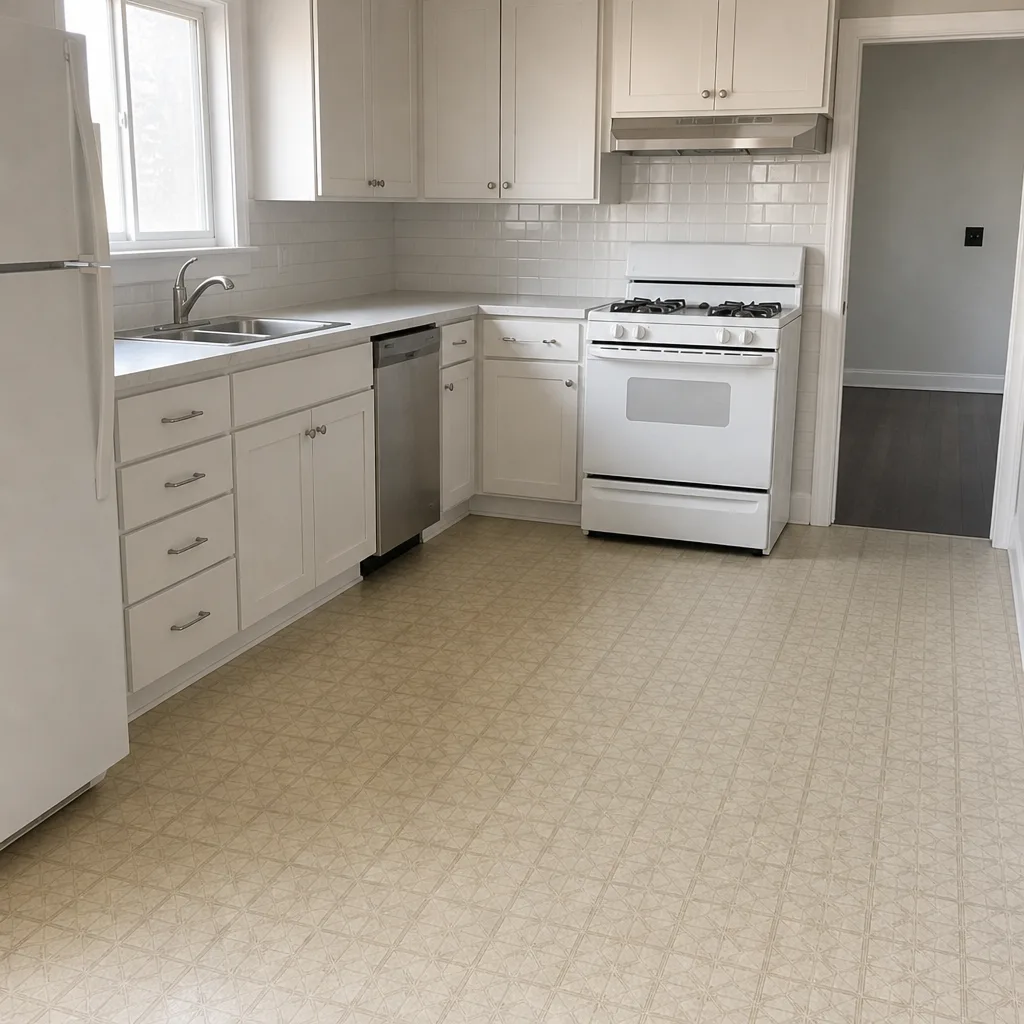
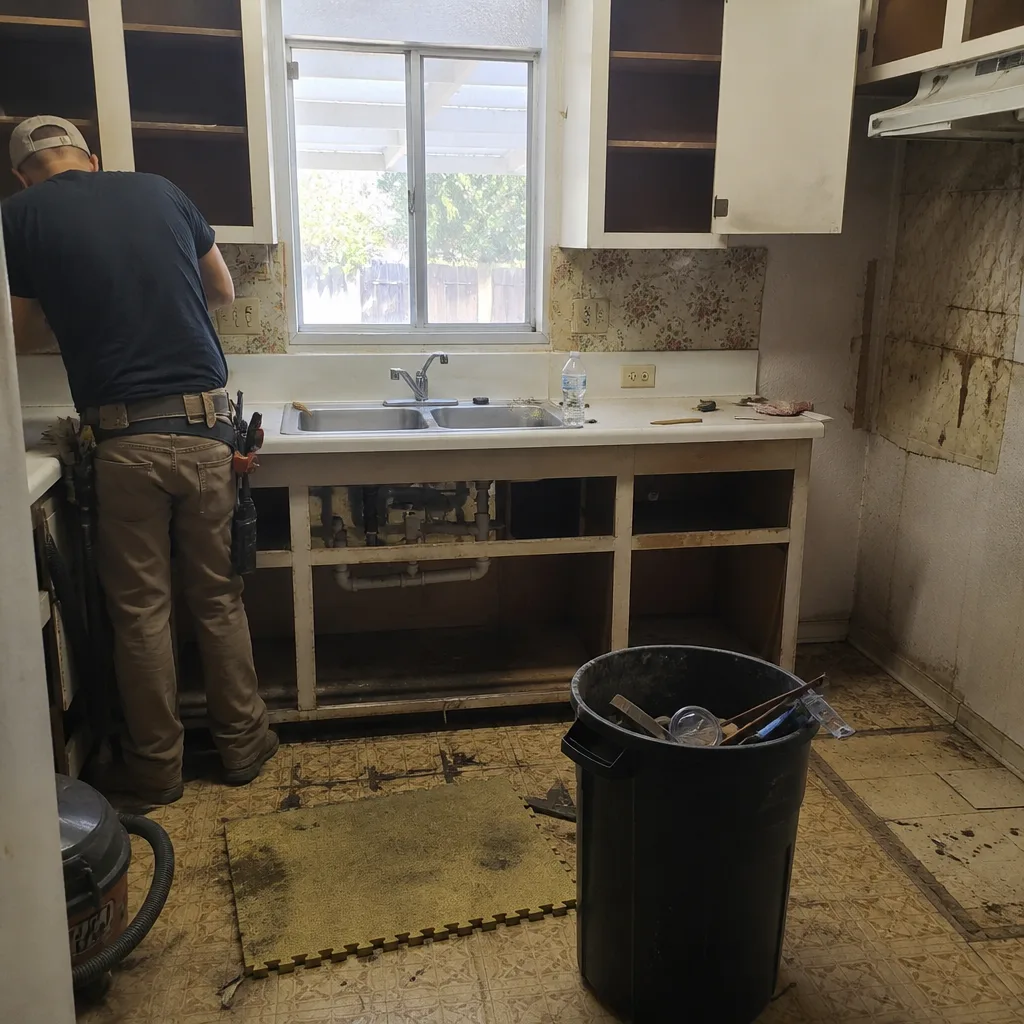
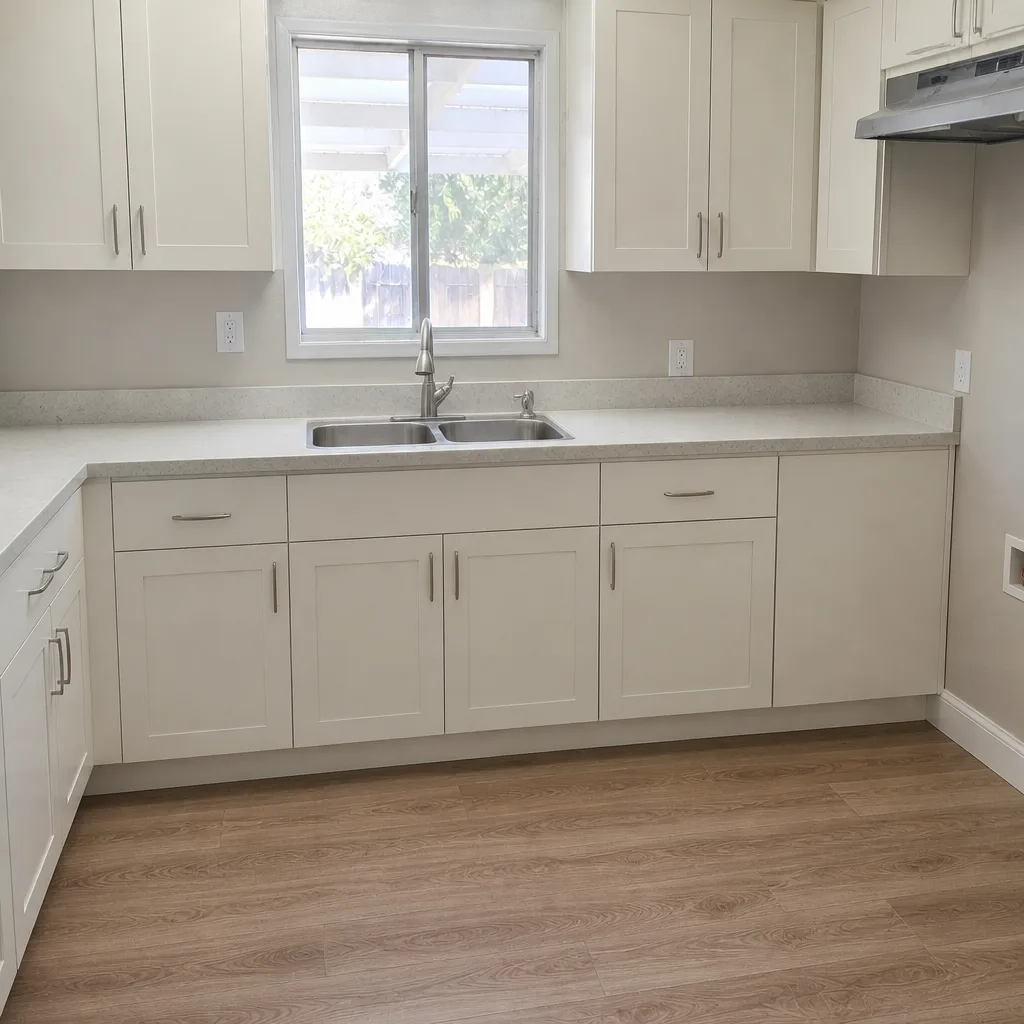
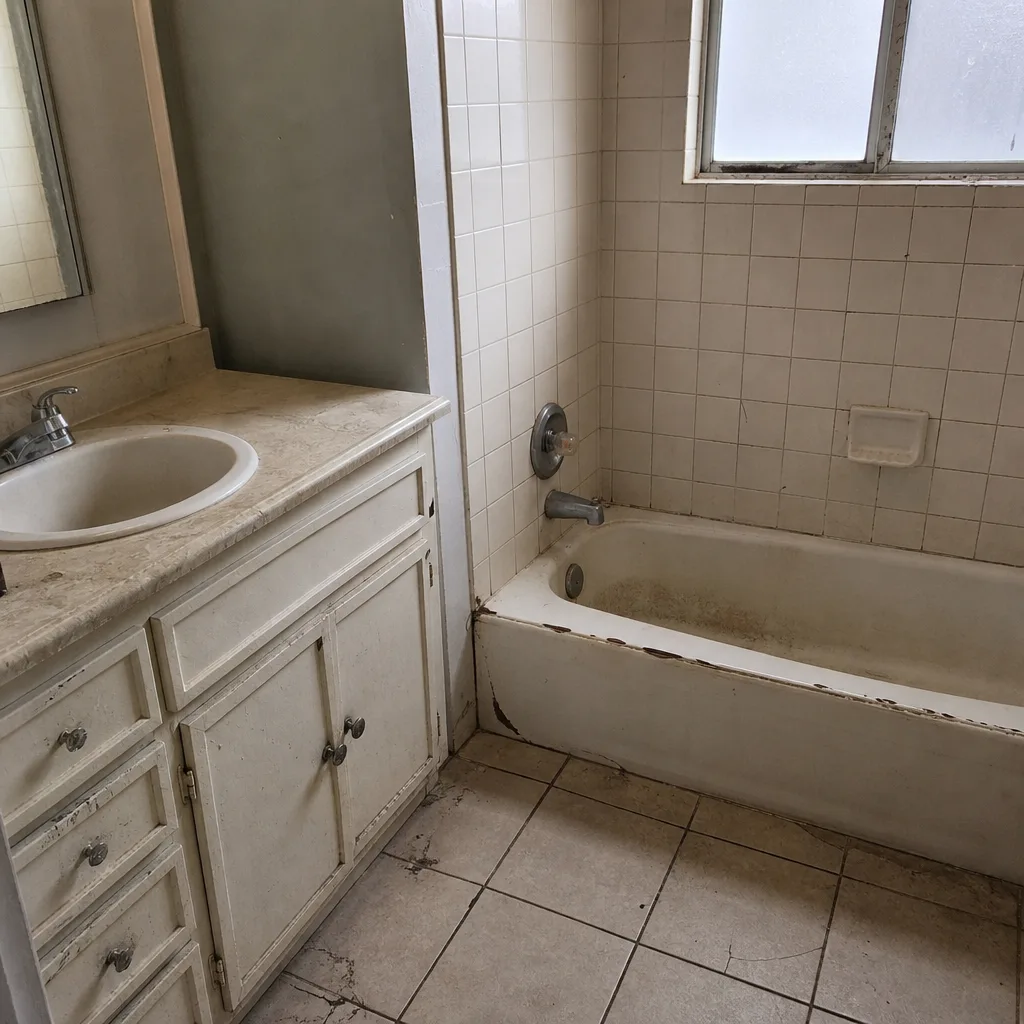
See the difference
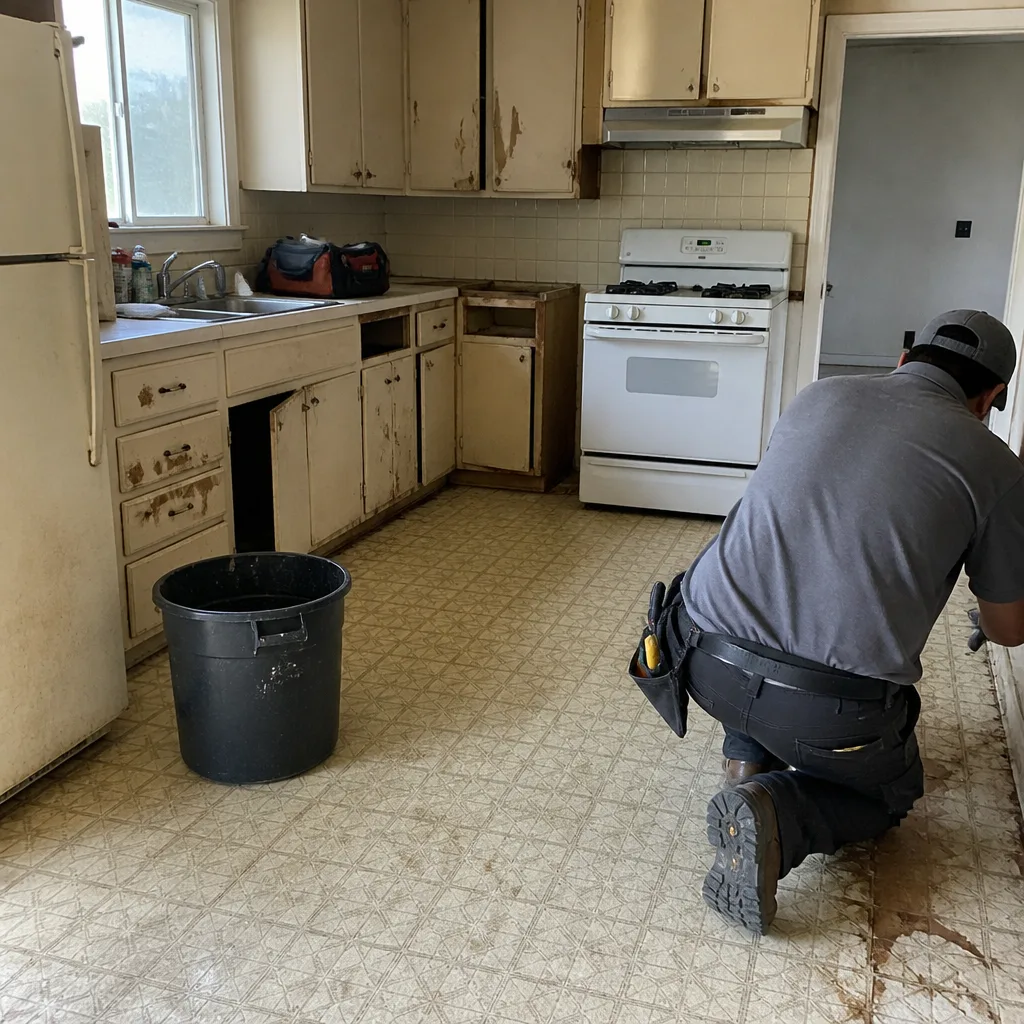 Before
 After
 Before
 After
 Before
 After
When to Call a Professional
Some projects are reasonable to plan yourself. A paver driveway on expansive Fairfield soil isn’t one of them. Call a professional if the existing surface is cracking, heaving or draining toward the house; if the grade needs to change; if you’re widening the drive or touching the curb cut; or if your HOA requires a drainage plan. Those situations need soil assessment, engineered base depth and permit coordination – three things that overlap and go wrong together when handled piecemeal. A base failure under pavers is expensive to fix because the whole field comes up. Getting the base right the first time is the cheaper path.
Fairfield homeowners deserve a contractor who can handle the driveway, the fence and the exterior of the house under one estimate. That’s how we work. Construction Fairfield offers free estimates in Fairfield – call (888) 282-0741. We answer 24/7. Fast dispatch from 7am to 7pm, Sunday through Friday.
Frequently Asked Questions
Plan for 8 to 12 inches of compacted aggregate base in most Fairfield yards, because the expansive clay soils here move with moisture. The 4-to-6-inch figure in most national guides assumes stable, well-draining subgrade that isn’t common on this soil. Your exact depth depends on the soil test and drainage plan. Call (888) 282-0741 for an exact quote – estimates are free.
You need a permit if the project changes the grade, alters drainage or touches the public right-of-way – an encroachment permit covers that last case. A like-for-like replacement in the same footprint and drainage usually doesn’t require one. Always confirm with the City of Fairfield building department before demolition, since rules can shift with the project. Ask us and we’ll help you sort out what applies.
Concrete pavers and natural stone handle Fairfield’s heat and seasonal swing best as a general rule. Concrete pavers stay color-stable when the color runs through the body; natural stone brings weight and permanence. Travertine stays cooler underfoot but wants sealing, and porcelain is the most stain- and moisture-resistant option at a higher material cost. Call (888) 282-0741 to talk through which fits your driveway.
No. We quote a fixed, line-item price and hold to it without change orders for the scope we quoted. If excavation uncovers something the site walk couldn’t have shown, we stop and talk to you before any extra work begins. The written estimate sets the final price. Call (888) 282-0741 for your free estimate.
Most residential paver driveways take two to three weeks from demolition to sealed surface, with the base work eating the most days. Rain can stretch any stage, since base work stalls on saturated ground and sealer needs a dry cure window. Book the work between April and October so it finishes before the November-through-March rain.
Yes – in Fairfield’s summer heat, polymeric sand is the better choice because it resists washout and weed growth where standard jointing sand dries and blows. It needs a dry install and activation, plus occasional top-offs and re-sealing over the years. Don’t cheap out on a product formulated for cooler climates. Call (888) 282-0741 if you want a driveway done right the first time.
The Bottom Line
A Fairfield paver driveway succeeds or fails on what’s underneath it. The base has to be engineered for expansive local clay – 8 to 12 inches of compacted aggregate, installed in lifts – not the shallow base a national guide recommends for stable soil. Choose concrete pavers or natural stone for the best match to the local pattern of wet winters and hot summers; use polymeric sand in the joints; get HOA and permit questions settled before demolition; and schedule the project April through October so the base, joints and sealer cure before the rain. Brands like Belgard, Unilock and Techo-Bloc come with their own material warranties – pair that with base work done properly and you’ve got a driveway built for the long run.
If you want one contractor who can handle the whole exterior – driveway, fence, roof and windows – we’ll walk you through it from the ground up. Our Construction Fairfield team also handles home additions & ADU work when your plans run past the driveway. Call (888) 282-0741 for a free estimate. We answer 24/7. Fast dispatch from 7am to 7pm, Sunday through Friday.
Written by the team at Construction Fairfield.